

Uber's Strategic Road to Growth
Cashu Finance·4 min read
TL;DR
- Uber reports mixed earnings as it navigates evolving market pressures.
- Unionization efforts by California drivers signal potential shifts in labor dynamics.
- Strategic partnerships with Pony.ai and Coco Robotics emphasize innovation and sustainability.
Uber Technologies, Inc. ( UBER) is actively redefining its operational landscape as it navigates the complex dynamics of an evolving market. From strategic partnerships to innovative technologies, Uber is working tirelessly to maintain its position as a leader in the ride-hailing and delivery sectors. As the company faces challenges ranging from regulatory scrutiny to competition from emerging technologies and traditional players, understanding its trajectory becomes crucial for investors and industry observers alike.
Financial Performance: Adjusting Expectations
In its most recent earnings report for the second quarter, Uber reported earnings of 81 cents per share on a revenue of $14.19 billion, which reflects a 12% increase year-over-year. Despite the positive growth figures, these results fell short of some analyst expectations, notably an anticipated $14.24 billion in revenue. Such mixed outcomes reveal the balancing act that Uber is currently faced with, especially when it comes to managing costs and enhancing profitability through operational efficiency.
For Uber, the success of its core mobility segment, which generated $7.36 billion, is crucial in offsetting potential declines in delivery revenues amid increased competition. Analysts have pointed to rising costs and adjustments in delivery pricing strategies as factors impacting the bottom line.
Navigating Labor Relations: A New Chapter for Drivers
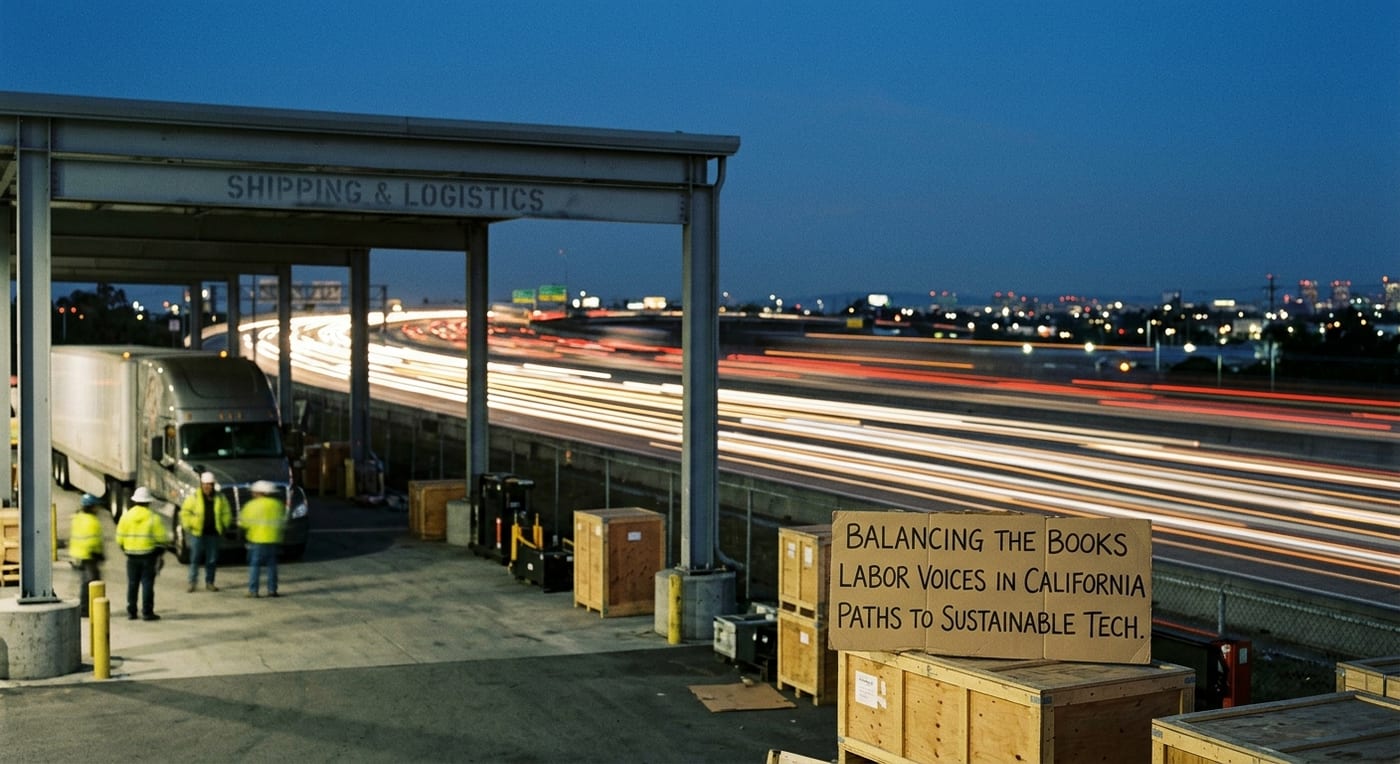
Recent developments in California signal a significant shift in the digital gig economy. Hundreds of thousands of Uber and Lyft drivers are on the verge of unionization, driven by the California Gig Workers Union (CGWU). This potential unionization could fundamentally alter Uber's labor dynamics and its cost structures moving forward.
The CGWU's formation aligns with recent legislative changes allowing gig workers a collective bargaining structure, which could impact negotiations over pay, benefits, and working conditions. For Uber, this emerging labor landscape signifies a new chapter in its operations, especially in a state that has been at the forefront of gig economy regulations. The company is expected to engage in negotiations that may require a realignment of its financial strategies to accommodate potential upward pressure on wages and benefits for its drivers.