

Turbulent Times for The Ensign Group, Inc.
ED
Editorial
Cashu Finance·5 min read
TL;DR
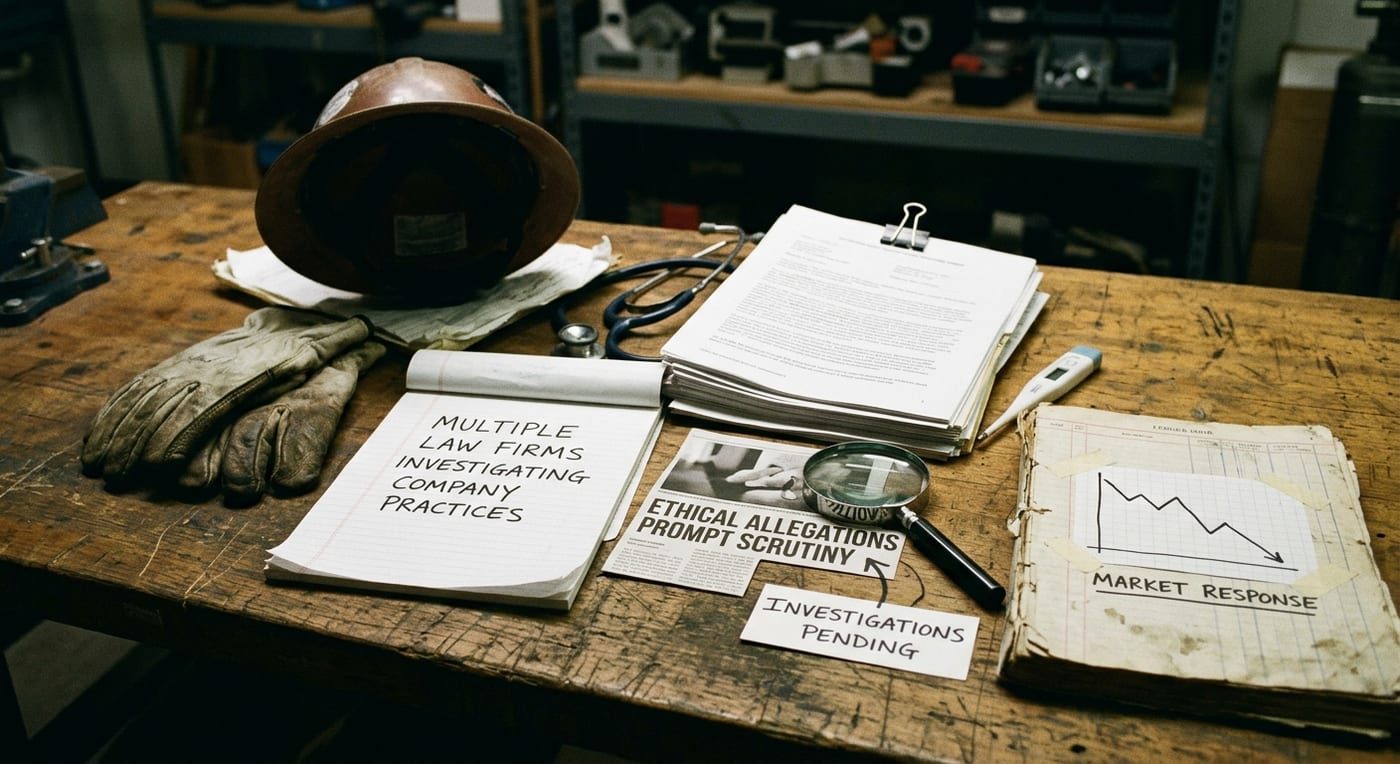
- The Ensign Group faces serious ethical allegations affecting stock performance.
- Investigations prompt scrutiny by multiple law firms into company practices.
- Market response signals a lack of confidence in the company's future strategies.
The Ensign Group, Inc. (ENSG) is drawing attention as the latest developments come into focus. The Ensign Group, Inc. (ENSG) is currently facing serious challenges that are reshaping its operational landscape and stock performance. This once-stalwart healthcare provider has seen its shares tank following allegations of unethical practices, prompting investigations by several law firms into its operations and governance. Central to this turmoil is a critical report by Hunterbrook Media, which accused Ensign of prioritizing profit over patient care, a claim that poses significant risks to the company's reputation and fiscal health. This article delves into the ongoing issues surrounding The Ensign Group, including legal investigations, stock performance, and potential strategies to rebuild investor trust.
Allegations and Regulatory Scrutiny
In June 2026, a report by Hunterbrook Media triggered a wave of negative attention towards The Ensign Group. This report accused the company of systematic under-staffing and misrepresenting care quality metrics within its skilled nursing facilities. Such claims suggest that the company may be engaged in practices that not only endanger the health of residents but also contravene federal regulations. The implications of these allegations are severe, with the potential for substantial fines and legal repercussions under the False Claims Act, should they be proven true. As reported by various news sources, following these revelations, Ensign's stock price plummeted, signaling the market's immediate reaction to the depth of these concerns.
Investigations by Legal Firms
The scrutiny surrounding Ensign has not gone unnoticed by the legal community. Notable law firms, including Kehoe Law Firm, P.C., Kaplan Fox & Kilsheimer LLP, and Lowey Dannenberg P.C., have initiated investigations into potential fiduciary duty breaches and violations of federal securities laws. Kehoe's exploration particularly focuses on whether the leadership of Ensign has adequately protected shareholder interests amid these allegations. Muddy Waters Research has made specific claims regarding Ensign's operational practices, suggesting that around 20% of its facilities engage in misleading practices around administrator licensing and staffing practices. Such claims could lead to a significant overhaul in the company's governance if investigators find these assertions to be valid.
Financial Impact and Stock Performance
The financial repercussions of the allegations have been immediate and severe. Following the Hunterbrook Media report, Ensign's stock dropped by over 8%, reflecting investor fears regarding the operational sustainability of the company. This decline not only impacts current shareholders but raises the stakes for potential investors looking to enter the market. The market's reaction showcases a lack of confidence in Ensign's capability to navigate its challenges successfully. This decline also raises questions regarding the company’s ability to maintain or grow its margins in an already competitive healthcare landscape. That backdrop echoes earlier coverage of the issue, especially around how pricing, strategy, and demand feed into the current story.
Investors are particularly concerned about the possibility of legal settlements and fines affecting the company's balance sheet. As the investigations continue, there remain serious implications for how Ensign will position itself financially. The lack of confidence reflected in the stock price suggests that current and potential investors are weighing the risks of future operational disruptions against the company's historical performance metrics.
Competitive Landscape and Strategic Outlook
Despite the current chaos, it is important to consider how Ensign's competitors are navigating similar regulatory challenges. The healthcare industry as a whole is under increasing pressure from regulators looking to enforce higher standards of patient care and corporate governance. Competitors that proactively demonstrate compliance and prioritize patient safety may capitalize on Ensign's turmoil by attracting both patients and investors. These companies may aim to enhance their market positions by demonstrating operational integrity and superior patient care metrics.
As Ensign explores its path forward, rebuilding trust with stakeholders will be pivotal. This is not only about addressing the immediate allegations but also about crafting a broader narrative that reassures investors of its commitment to operational excellence and patient welfare. Strategic initiatives could include enhancing transparency around patient care metrics and investing in staff training to ensure better compliance with regulatory standards.
Conclusion: The Path Forward for Ensign
The landscape before The Ensign Group, Inc. is laden with challenges, yet presents opportunities for renewal and transformation. Leadership must act decisively to restore trust among investors and patients alike. Regulatory compliance and ethical operational standards will need to become the cornerstone of strategic planning. Ultimately, the success of Ensign will hinge on its ability to navigate through the tumult, manage its public perception, and emerge as a leader in ethical healthcare practices.
In conclusion, while the difficulties faced by The Ensign Group are undeniable, the will to recover and rebuild could set the stage for an eventual return to stability and growth. Ensuring that operational integrity becomes a priority rather than an afterthought will be critical as the company moves through this precarious stage in its history. The path is fraught with challenges, but with appropriate actions and stakeholder engagement, it is a journey that can lead to renewed trust and operational excellence. The same pressure is reflected in recent reporting on the issue, which helps explain why the company's pricing decisions remain under scrutiny.