

Tesla's Future: Navigating Innovation and Challenges
ED
Editorial
Cashu Finance·5 min read
TL;DR
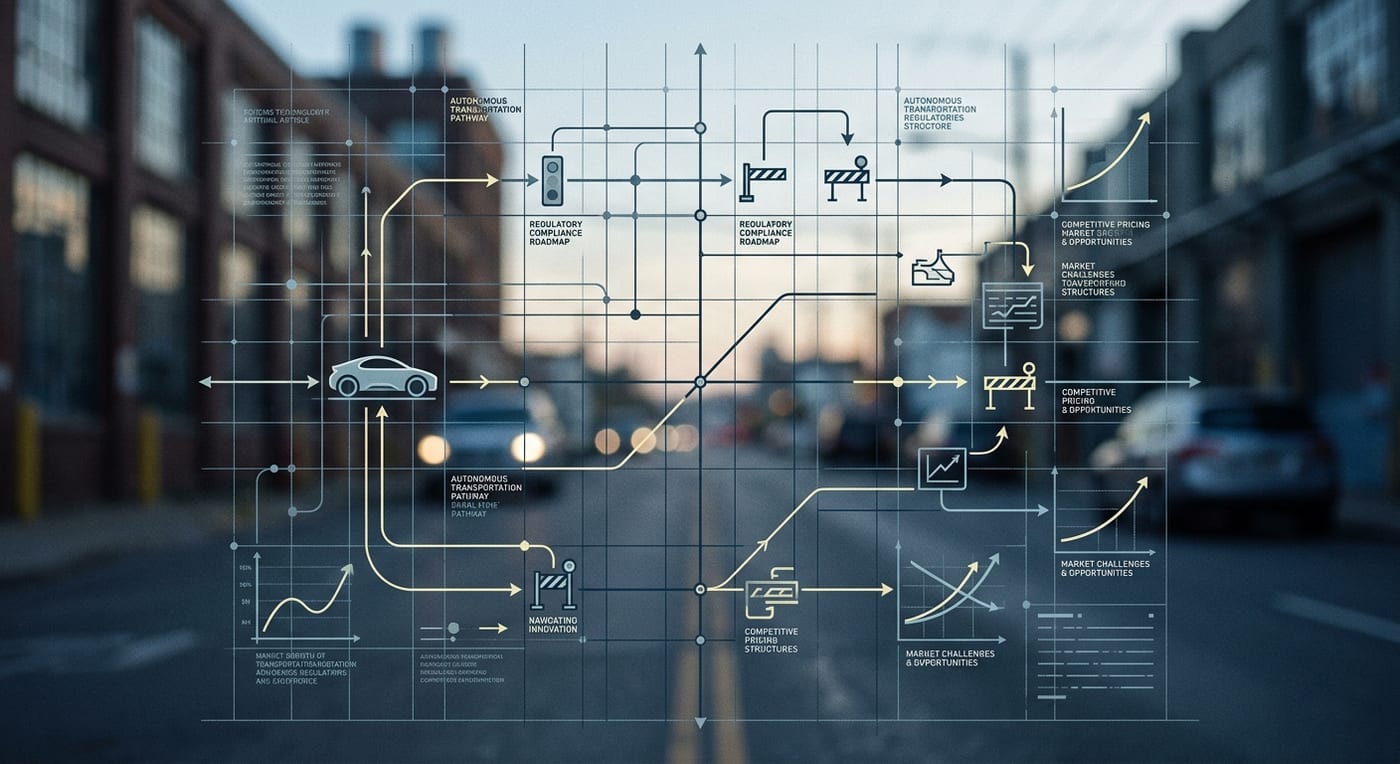
- Tesla's Cybercab launch highlights its commitment to autonomous transportation.
- Regulatory landscape presents challenges and opportunities for the Cybercab rollout.
- Competitive pricing strategies amid pressure from a growing EV market.
Tesla, Inc. (TSLA) is at a critical juncture as it strives to establish itself as a leader in autonomous technology and electric vehicles. As the company rolls out its latest autonomous model, the Cybercab, it enters a transformative phase filled with both tremendous opportunities and formidable challenges. These elements will shape its growth trajectory and investment appeal in the coming years. The introduction of the Cybercab signifies more than just a new product launch; it embodies Tesla's ambition to disrupt the transportation sector at a scale not seen before. However, the path forward is fraught with complications that may impact execution and profitability.
The Significance of the Cybercab
Tesla's Cybercab represents a pivotal evolution in the company’s operational strategy aimed at capturing a significant share of the rapidly growing robotaxi market. Featuring no steering wheel or pedals, the Cybercab epitomizes the cutting-edge approach Tesla is taking towards vehicle automation. This fully autonomous vehicle leverages advanced artificial intelligence and vehicle-to-everything (V2X) technology to deliver a seamless transportation experience. Initially launched in Austin, plans for broader deployment are in the works, but regulatory and compliance issues loom large.
As discussed in a recent article, the rollout of the Cybercab is closely tied to the evolving regulatory landscape surrounding autonomous vehicles. The National Highway Traffic Safety Administration (NHTSA) has opened an investigation into Tesla's self-certification methods regarding compliance with Federal Motor Vehicle Safety Standards (FMVSS). This comes amidst growing scrutiny of the safety and operational compliance of new autonomous models like the Cybercab. While the investigation could induce short-term delays in the Cybercab’s rollout, it also presents an opportunity for Tesla to shape the future of regulatory standards, potentially making broader adoption more feasible in the long run. More details on the regulatory challenges can be found here: Why Tesla's Robotaxi/Cybercab Bet Just Got Complicated.
Autonomous Driving Revolution
Tesla's foray into autonomous driving is poised to revolutionize not just its own product line but the entire transportation industry. The anticipation surrounding the new Full Self-Driving (FSD) software has also created high expectations. As automotive technology advances, the integration of advanced AI into Tesla's vehicles continues to strengthen its competitive position. The company's vertical integration strategy aims to create a cost-effective transportation-as-a-service model while also addressing substantial competition from technology giants like Alphabet's Waymo and automotive players like Amazon's Zoox.
Investors are keen to see how favorable these innovations will be for Tesla in the long term. Should the regulatory landscape shift to accommodate vehicles like the Cybercab, the company stands to significantly enhance its revenue streams through its anticipated robotaxi services. The outlook is promising, but operational hurdles must be navigated effectively to ensure value realization for shareholders.
The Competitive Landscape
Competitive pressures within the electric vehicle (EV) market are intensifying, especially as Tesla cuts prices to counteract declining sales in key markets such as China. Recently, the company implemented a price reduction on its popular Model 3 and Model Y models in China amidst a fierce price war that has emerged in the local automotive sector. This strategic decision reflects broader market dynamics, including weakening consumer confidence and increasing competition from domestic EV manufacturers.
Despite these external pressures, analysts suggest that Tesla’s proactive measures could serve as a buffer against declining margins. By effectively utilizing its production capabilities to diversify into export markets, Tesla may be better positioned than its competitors. As reported, Tesla has successfully ramped up exports from its Shanghai factory, effectively pivoting to capture overseas demand when local markets underperform. More on Tesla's export strategy can be read here: Tesla Gets Sucked Further Into China's Price War.
Future Innovations and Strategic Focus
Looking beyond the immediate horizon, Tesla’s ambitions extend into robotics with the upcoming launch of the Optimus humanoid robot. Elon Musk envisions that this robot could become one of Tesla's major business segments. While the supply chain for humanoid robots is still in its infancy, Musk's plans to ship units next year exemplify the company's commitment to pioneering various avenues of technological advancement. The integration of robotics with its electric vehicle platform demonstrates a visionary approach that could redefine transportation and labor markets alike.
Given the complexity of these initiatives, investors must weigh the potential rewards against the risks associated with regulation, competition, and execution challenges. As the EV sector evolves, maintaining a balanced perspective on Tesla's strategies and innovations will be essential in assessing its investment viability.
Conclusion
In conclusion, Tesla, Inc. (TSLA) is navigating a multifaceted journey as it expands its commitment to autonomous vehicles and innovative technologies. The launch of the Cybercab highlights its strategic pivot toward redefining the transport landscape, but the voyage ahead will require careful navigation of regulatory landscapes and market dynamics. As Tesla continues to innovate and expand, the implications for investors remain significant, shaping the narrative of one of the most transformative companies in the automotive sector today.