

Tesla's Flying Roadster: A New Era
ED
Editorial
Cashu Finance·5 min read
TL;DR
- Tesla unveils the next-generation Roadster capable of flight.
- The reveal raises regulatory and market viability questions.
- Investor sentiment is cautious ahead of upcoming earnings report.
Tesla, Inc. (TSLA) has once again captured headlines following the ambitious unveiling of its next-generation Roadster. This bold presentation, showcasing a vehicle capable of flight, is emblematic of Tesla's relentless pursuit of technological innovation and market dominance. As the company shifts focus toward autonomous capabilities and robotics, the Roadster's rollout might be more than just an impressive spectacle; it could signify Tesla's strategic pivot to not only capture consumer interest but also to reshape its identity as a versatile tech leader. In this article, we delve deeper into the implications of this reveal, its fit within Tesla's broader strategy, and what it spells for investors and consumers alike.
A Daring Demonstration
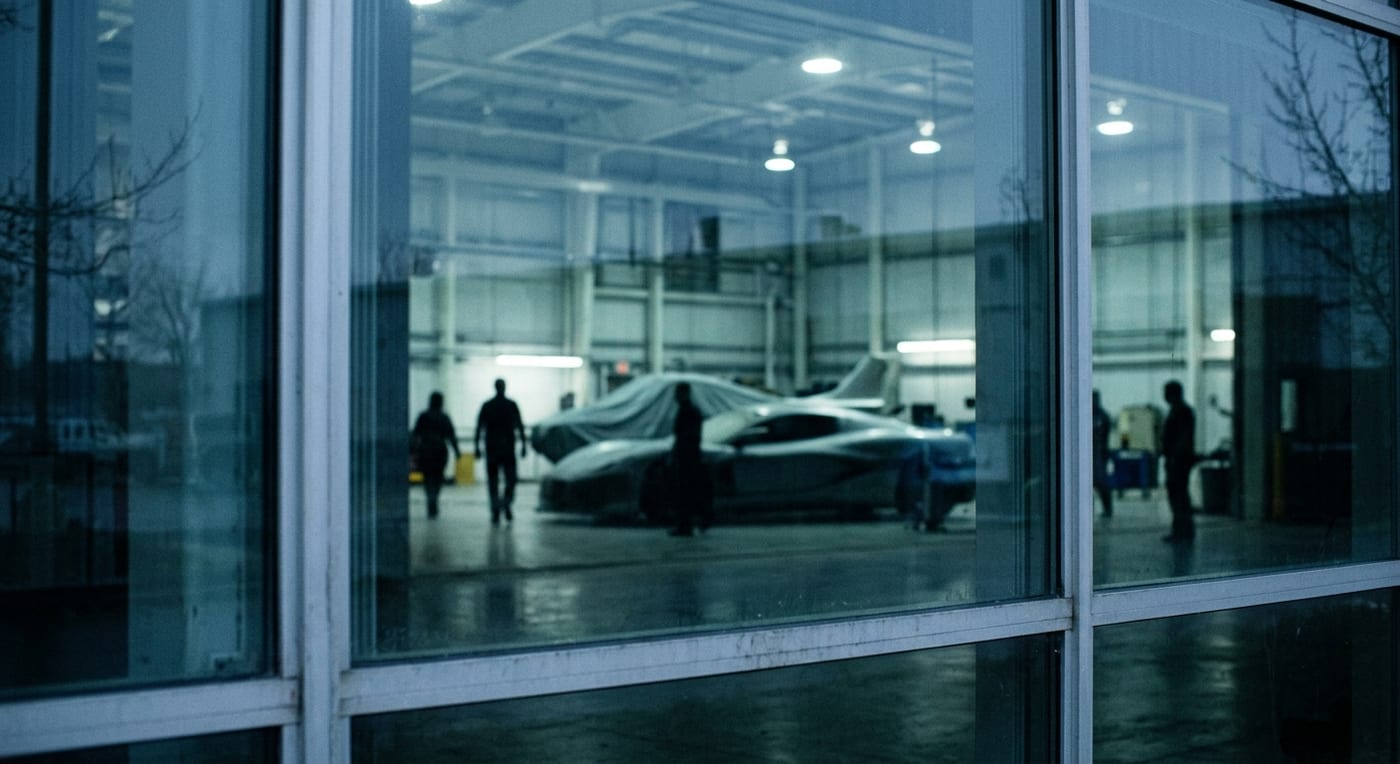
The unveiling of the new Roadster took place at a SpaceX facility in Texas, where it performed a stunning array of aerial feats, including midair flips and rapid ascensions, powered by advanced cold-gas thrusters. Elon Musk declared, "Well, it worked. Flying cars are real," in a moment that stirred both excitement and skepticism among automotive enthusiasts and analysts. This daring demonstration, however, did not come without reservations about the vehicle's market viability and regulatory approval. While the spectacle was captivating, it raised questions about whether this flying feature would ever translate to a workable consumer product.
Roadster: More Than Just Flash
Historically, high-performance vehicles like the Roadster serve as flagship models that showcase an automaker's technological prowess. They provide significant marketing advantages, elevating brand perception and attracting tech-savvy customers. Analysts argue that while the Roadster may represent a “small potato” in Tesla's overall financial picture, it serves a critical role in enhancing the company’s image as a leader in technological innovation. This aligns with Tesla's broader strategy of integrating cutting-edge features across its product line. The significance of the Roadster also ties back to Tesla’s ongoing emphasis on autonomy and artificial intelligence (AI). As Elon Musk’s vision for an autonomous future unfolds, the Roadster’s flamboyant reveal positions Tesla as a trailblazer at the crossroads of automotive engineering and robotics. This melding of engineering innovations might attract not just buyers but also high-caliber talent to Tesla, solidifying its reputation as a pioneer in multiple industries.
Investor Sentiment: The Road Ahead
Investor sentiment remains mixed following the Roadster's launch, as Tesla prepares for its earnings report, slated for October 21. The stock historically exhibits volatility surrounding earnings announcements, which has been exacerbated in recent months by profit margin pressures. The company saw its operating margins decline significantly amid pricing strategy adjustments earlier in the year, leading to concerns about profitability. The upcoming report is expected to face high scrutiny as investors look for positive shifts in operating income following a trend of quarterly downturns.
Navigating Regulatory Challenges
As exciting as the flying capabilities of the Roadster are, they introduce a host of regulatory challenges that Tesla must navigate. Analysts speculate that the vehicle may not be street-legal due to FAA oversight regarding flying vehicles, complicating Tesla's path to market. This regulatory uncertainty mirrors the issues Tesla faces with its Cybercab initiative—an autonomous vehicle aiming for distribution in urban landscapes while contending with regulatory bodies scrutinizing its safety and efficacy. Such parallels underscore the delicate balancing act Tesla must perform between innovation and compliance.
Market Dynamics: Connection to Competitors
Across the electric vehicle (EV) landscape, pressure is mounting. Competitors in the EV market, driven by advances in AI and autonomous capabilities, are intensifying competition. Companies like Rivian and Lucid are attempting to carve niches that directly challenge Tesla's market share. As they advance their own models and technologies, the onus is on Tesla to continually innovate and refine its offerings to maintain its lead. The Roadster’s introduction, while flashy, serves as both a response to competitive pressures and an opportunity to consolidate market positioning amidst growing options for consumers. Moreover, the unveiling's timing is crucial, as Tesla also aims to capitalize on advancements in its Optimus humanoid robot project, which is described as potentially becoming its most significant product line. As Tesla invests heavily into AI and robotics, the overlap between its automotive ambitions and technology offerings is more apparent, fueling speculation about a possible merger with SpaceX. Analysts have suggested that cross-application of technologies between Tesla and SpaceX could lead to significant innovations across both platforms, which would solidify Tesla's engineering reputation.
Conclusion: The Roadster's Legacy
In conclusion, although Tesla's unveiling of the flying Roadster may not directly impact its bottom line in the immediate term, it symbolizes the company's ambitious vision of the future—a future where transportation can transcend conventional boundaries. As Tesla navigates through evolving market dynamics and regulatory landscapes while preparing for its imminent earnings report, the Roadster stands as a testament to its innovative spirit. Investors and consumers alike will be watching closely to understand how this bold venture integrates into Tesla's overarching strategy and its implications for the company's trajectory into the autonomous future. Whatever happens, one thing is certain; the automotive landscape is watching closely as Tesla continues to push the boundaries of what is possible. The same pressure is reflected in recent reporting on the issue, which helps explain why the company's pricing decisions remain under scrutiny.