

Tesla's Cybercab: A New Era Begins
ED
Editorial
Cashu Finance·5 min read
TL;DR
- Tesla launches innovative Cybercab, marking a significant shift.
- Regulatory challenges loom as consumer skepticism grows.
- Tesla aims to redefine its market position through autonomous technology.
Tesla, Inc. (TSLA) is making headlines with the launch of its innovative Cybercab, a step that signifies a radical shift in its business model towards a more technology-driven approach. This advancement comes at a crucial time when the electric vehicle (EV) market is facing intense competition and operational hurdles. The Cybercab embodies Tesla's ambition to dominate the robotaxi sector, yet it also poses significant regulatory challenges and reflects shifting consumer sentiment towards fully autonomous vehicles. This comprehensive article delves into the implications of the Cybercab launch, its operationalization in Austin, and how it aligns with Tesla's broader strategic objectives amidst evolving market dynamics.
The Cybercab: An Overview
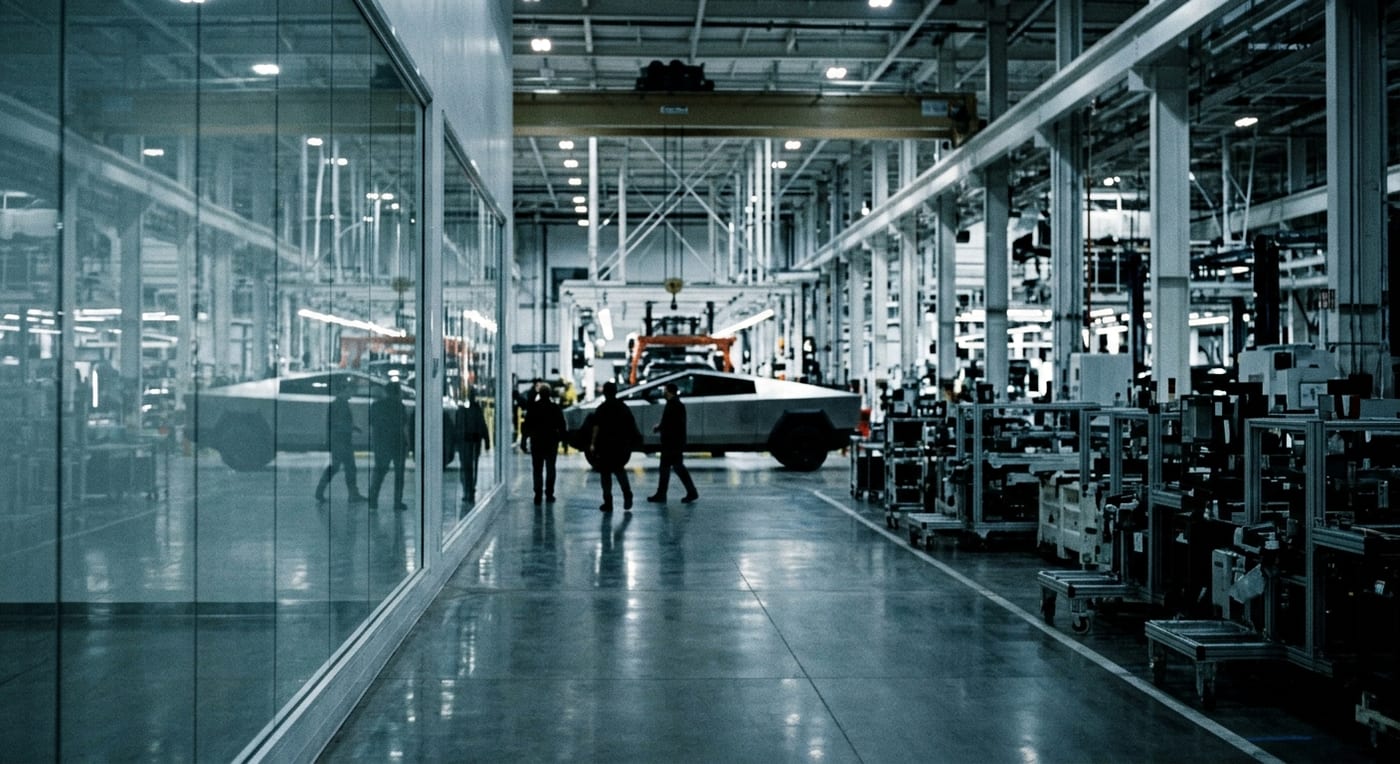
Disrupting traditional automobile paradigms, Tesla’s Cybercab represents a leap into the future of transportation. Featuring no steering wheel or pedals, the Cybercab is purely autonomous, relying entirely on Tesla's advanced AI and vehicle-to-everything (V2X) technology. Initially revealed almost two years ago, this two-seater robotaxi officially commenced operations in Austin, Texas, allowing the public to hail rides through the Tesla Robotaxi app.
While this moment marks a significant milestone for Tesla, it also highlights the fierce competition in the robotaxi segment, where rivals like Alphabet’s Waymo lead with a more extensive operational footprint. In a recent note, Morgan Stanley pointed out investors' expectations regarding the Cybercab rollout's impact on Tesla’s stock valuation, reiterating that growth in its unsupervised fleet is vital for its market performance.
Operational Challenges and Regulatory Feedback
Despite the initial excitement, the Cybercab launch has not gone without scrutiny. The National Highway Traffic Safety Administration (NHTSA) has opened an audit inquiry into Tesla's self-certification processes for the Cybercab, questioning whether it complies with existing federal safety standards. Given that the vehicle lacks traditional human controls, Tesla faces a complex regulatory landscape that could impede its ambitions.
As Tesla works through these regulatory challenges, the importance of maintaining consumer trust becomes paramount. Polls indicate significant public skepticism around ride-hailing in driverless vehicles, with a majority of consumers expressing discomfort with the idea of a car operating without any human controls. This sentiment could pose risks to the immediate adoption of the Cybercab, even as Tesla moves ahead with its deployment.
A Strategic Business Shift
Moving beyond manufacturing traditional vehicles, Tesla's strategic pivot towards autonomous tech reflects an acknowledgment of changing market demands. The introduction of the Cybercab aligns with Tesla's long-term vision of becoming a multifaceted tech company, not just an automobile manufacturer. Elon Musk’s broader ambitions include not only the rollout of robotic taxis but also significant investments in AI and robotics, as discussed in earlier analyses. This strategic shift can potentially alter Tesla's revenue streams significantly, allowing it to generate income not only from car sales but also from services like robotaxi operations. Such developments are critical as the company grapples with rising competition from both established auto manufacturers and upstart tech companies. That backdrop echoes earlier coverage of the issue, especially around how pricing, strategy, and demand feed into the current story.
Comparative Analysis with Competitors
Tesla's entry into the robotaxi market puts it in direct competition not just with Waymo, but also with autonomous initiatives from companies like Amazon’s Zoox and Cruise. These companies have established themselves with substantial operational fleets and have garnered consumer trust through rigorous testing and gradual public exposure. With an impressive track record, Waymo currently operates over 4,000 robotaxis across 14 U.S. cities, setting a high standard that Tesla aims to meet as it rapidly deploys its Cybercab service.
As Tesla positions itself in this evolving landscape, understanding its competition will be vital. Engaging consumers effectively through smart marketing and public relations strategies could mitigate some prevailing concerns surrounding safety and reliability.
Future Prospects and Stock Performance
The prospects for Tesla's stock performance appear closely tied to the successful implementation and public perception of the Cybercab. Following the Cybercab’s rollout, investors reacted, with shares dropping significantly due to a perceived lack of impactful information during the launch event. Analysts noted that Tesla's failure to provide comprehensive insights regarding pricing, deployment, and operational details contributed to this downturn.
However, if Tesla can overcome regulatory obstacles and demonstrate the reliability of its Cybercab service, there remains significant upside potential. The company’s ongoing push into AI and robotics, combined with a renewed focus on user experience and safety, could foster recovery in its stock and lead to new gains.
Conclusion
Tesla, Inc.'s foray into the robotaxi market with the Cybercab presents a pivotal moment for the company, encapsulating its long-standing commitment to innovation and transformation in the automotive sector. As it navigates regulatory scrutiny and consumer sentiment, success will hinge on Tesla's ability to effectively communicate and deliver on its promises. The implications of the Cybercab stretch beyond immediate sales; they signify a broader strategic vision that could redefine Tesla’s interactions with the automotive landscape. With the integration of AI-driven technologies at the forefront, the stakes are high, and Tesla's actions in the coming months will be critical to watch for industry observers. As Tesla pushes forward into an uncertain yet exhilarating future, one thing is clear: the ride ahead is anything but ordinary. The same pressure is reflected in recent reporting on the issue, which helps explain why the company's pricing decisions remain under scrutiny.