

Tesla's Bold Moves in Robotics and Autonomous Vehicles
ED
Editorial
Cashu Finance·5 min read
TL;DR
- Tesla launches the Cybercab as part of a bold strategy.
- Model Y L introduced to capture the family market.
- Significant investments in robotics signal a transformative vision.
Tesla, Inc. ( TSLA) is navigating an ambitious landscape of innovation with the recent launch of its Cybercab, a significant advancement that reflects its commitment to redefine transportation. This article delves into Tesla's strategic pivot towards robotics and its implications for the autonomous vehicle market, particularly as competitive pressure and regulatory challenges loom.
The Cybercab: A Revolutionary Step Forward
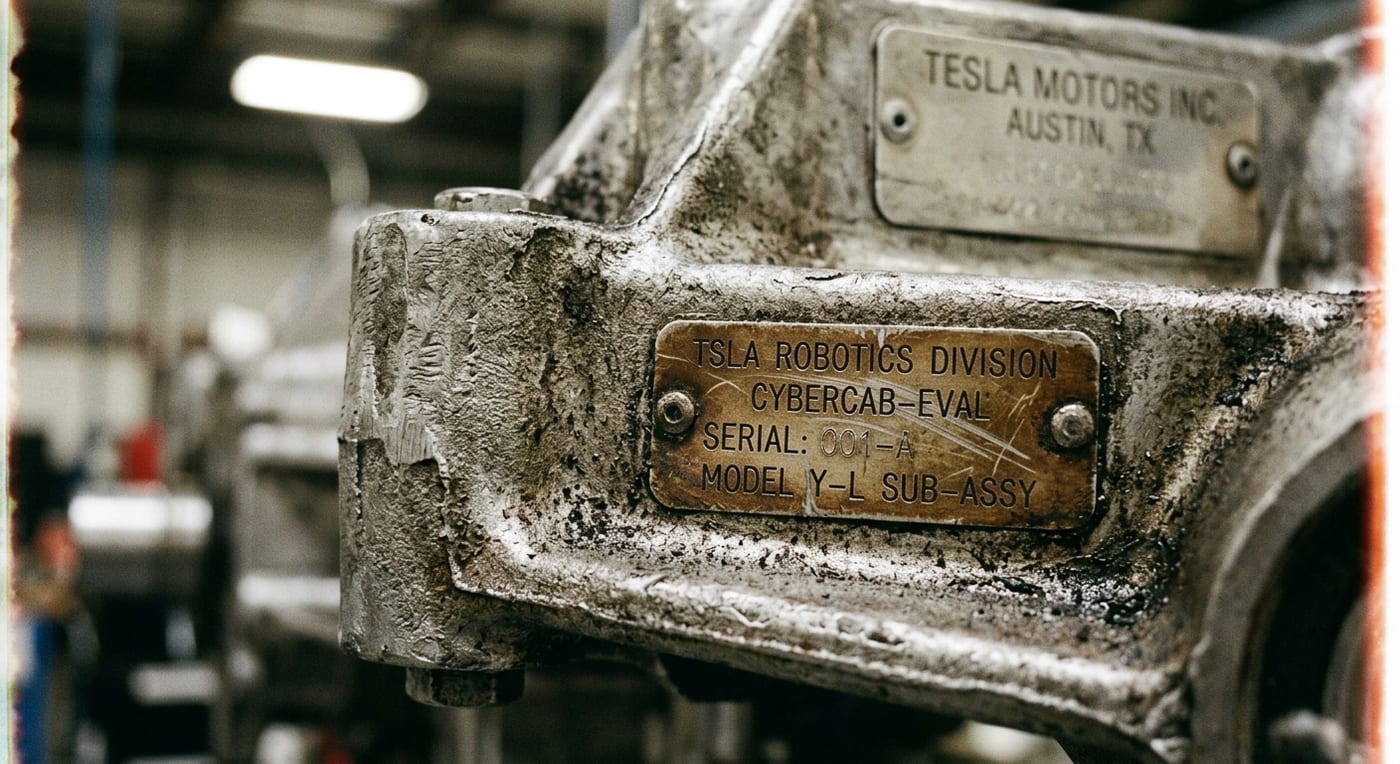
The launch of the Cybercab marks a critical juncture in Tesla's operational strategy. This fully autonomous vehicle, which features no steering wheel and no pedals, utilizes cutting-edge AI and vehicle-to-everything (V2X) technology. Initially revealed in late 2024, the Cybercab is now part of Tesla's fleet in Austin, with plans to expand further. This innovative product is aimed not just at enhancing Tesla’s market share in the electric vehicle space but also at capturing the burgeoning robotaxi market.
However, this radical shift is not without its challenges. The National Highway Traffic Safety Administration is currently examining whether Tesla has adhered to all regulatory standards in its Cybercab rollout, highlighting the scrutiny that comes with high-stakes innovation. The high-profile launch coincided with a disastrous Amazon cargo plane crash near a parking lot full of Cybercabs, raising concerns about operational safety standards. Safety reports suggest that Tesla's vehicles narrowly missed catastrophe, illustrating the precarious balance between technological advancement and safety.
Embracing the Family Market with the Model Y L
In tandem with the rollout of the Cybercab, Tesla has also introduced the Model Y L, priced at $61,990. This family-oriented electric vehicle aims to meet the demands of a shifting consumer market, where spacious and comfortable SUVs are increasingly favored. The Model Y L comes equipped with a larger battery and enhanced seating capacity, clearly targeting families who require more from their vehicles. This strategic adaptation is critical for maintaining Tesla's competitive edge amidst rising operational costs and intensifying competition from other automakers entering the electric vehicle market.
As previously pointed out, the introduction of the Model Y L is not just a standalone move but part of a broader strategy to reposition Tesla in a rapidly changing landscape. With family-friendly features becoming increasingly relevant, the Model Y L reflects Tesla's ongoing effort to diversify its offering and secure market strength.
The Future is Robotic: Tesla's Ambitious Plans
At the heart of Tesla’s future vision lies its investment in robotics and AI. As Tesla expands its cybernetic ambitions, it is not only working on the Cybercab but also investing heavily in humanoid robot technology through its Optimus initiative. The potential for Tesla's entry into robotics is vast, opening new revenue streams and pushing the company further into advanced technological territory.
Analysts suggest that future success in the robotics field could significantly enhance Tesla’s overall portfolio, particularly as AI technologies evolve. The market for humanoid robots is growing, and if Tesla can establish a foothold, it could offer substantial returns. However, experts warn that significant challenges remain, particularly regarding profitability and operational execution, as evidenced by the company’s fluctuating margins and high operational costs.
Market Dynamics and Investor Sentiment
Investor sentiment around Tesla remains deeply intertwined with the company's ability to meet ambitious projections. While Tesla’s stock has historically experienced volatility, a notable decline in the previous five-year segment indicates a troubling trend. The current market conditions reveal a disconnect between the potential envisioned by Tesla and the tangible results produced. Despite being a market darling with a $1.1 trillion valuation, concerns linger about whether Tesla can transform its innovative concepts into realized financial gains.
With competitive pressures mounting and investor expectations high, the company stands at a crossroads. The overwhelming focus on future potential versus immediate results may be a double-edged sword—for Tesla’s ambitious projections often overshadow its current earnings capabilities. This sentiment is echoed in commentary surrounding Tesla’s price changes and market characteristics, suggesting a need for the company to prove its worth sooner rather than later for maintaining its market narrative.
Conclusion: Tesla's Path Ahead
As Tesla forges ahead into uncharted territories with the Cybercab and Model Y L, the journey presents both unprecedented opportunities and considerable risks. The ongoing exploration of robotic technologies and changes in product strategy signify a broader vision of not merely being an automotive company, but a pioneer in next-generation transportation solutions.
Looking ahead, the company's success will hinge on its ability to navigate regulatory landscapes, meet ambitious operational challenges, and, crucially, deliver consistent financial performance that matches the lofty expectations set by its innovations. For Tesla to sustain its position at the forefront of electric vehicle and robotics technologies, it must successfully integrate these various elements into a cohesive strategy that resonates with consumers and investors alike.
Tesla's narrative is as much about its technological ambitions as it is about delivering the hard numbers that investors demand. In a market that prizes innovation, the company must bridge the gap between its lofty promises and tangible outcomes to continue its legacy of transformation within the automotive industry. The same pressure is reflected in recent reporting on the issue, which helps explain why the company's pricing decisions remain under scrutiny.