

Stryker's Growth Amid Supply Chain Turmoil
Cashu Finance·5 min read
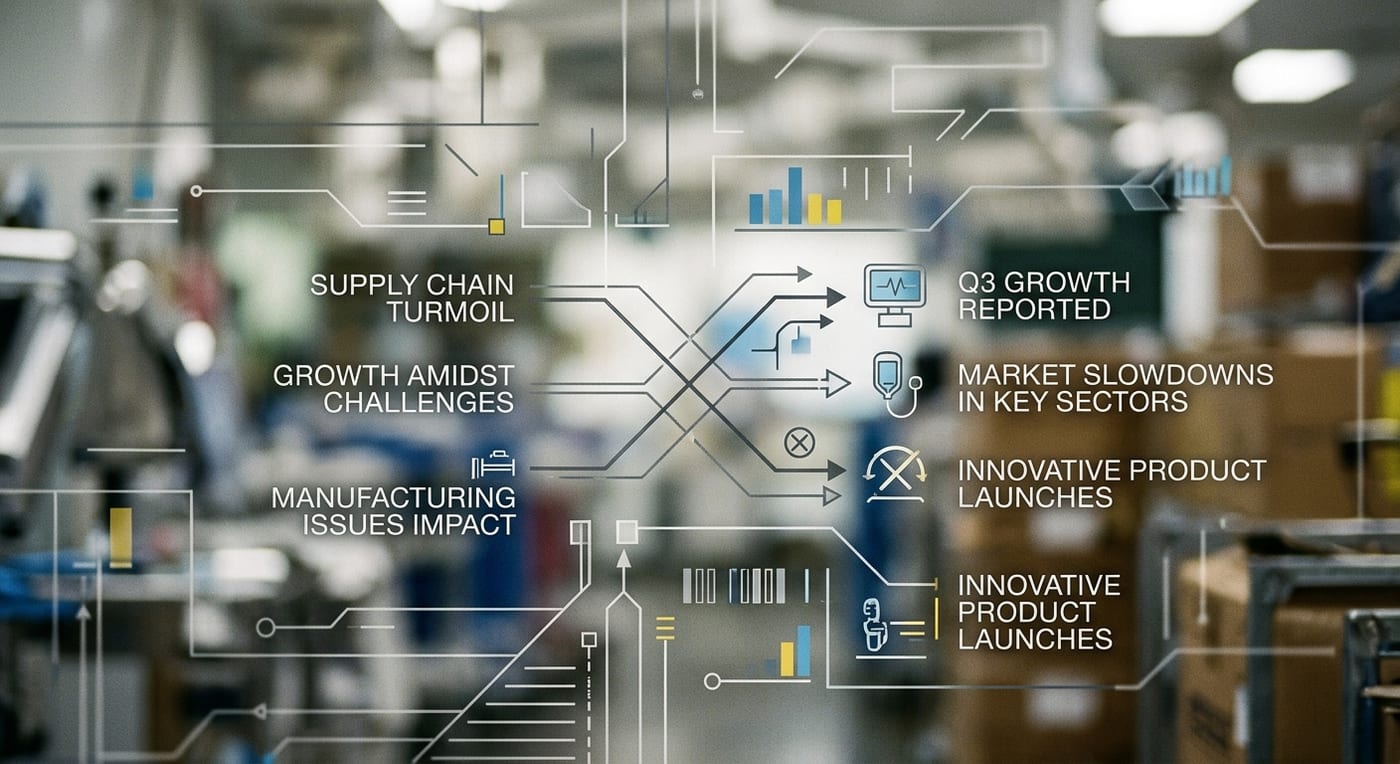
TL;DR
- Stryker's share price dropped due to ongoing manufacturing issues.
- The company reported strong third-quarter growth but faces market slowdowns in key sectors.
- Innovative product launches aim to counteract supply chain challenges.
Stryker's Growth Amid Supply Chain Turmoil
Stryker Corporation (SYK) has found itself navigating turbulent waters in recent months, marked by significant developments that challenge its operational framework and growth aspirations. The medical technology giant's recent struggles predominantly stem from supply chain disruptions in its Peripheral Vascular unit, which have alarmed investors and prompted a narrow reevaluation of its projections for the upcoming quarters. Investors reacted sharply to the news, as a recent disclosure regarding ongoing manufacturing problems within their Peripheral Vascular operations resulted in a notable share price decline. Initially, Stryker had assured stakeholders that issues would be resolved by the third quarter of 2026, but the CFO’s comments at a recent conference indicated otherwise, revealing that these challenges would likely persist into the fourth quarter. This ongoing setback undermined market confidence, erasing over $10 billion from Stryker's market capitalization.
The unexpected complexity spiraled from the company's acquisition of Inari Medical—a strategic move aimed at fortifying the Peripheral Vascular segment—which unknowingly introduced an array of complications. This intensifies scrutiny around Stryker's governance and transparency, particularly as national investor rights firms respond to the fallout.
Financial Performance Review
Despite these challenges, Stryker delivered a parallel narrative of resilience through its third-quarter earnings report, showcasing organic sales growth of 7.7% and adjusted earnings per share of $3.52, marking a healthy 10.3% increase from the previous year. The performance, however, was contrasted by operational weaknesses in hip and knee reconstruction sectors, revealing prevailing pressures from high insurance costs and increasing pre-authorization hurdles that might inhibit patient access. CEO Kevin Lobo noted that U.S. hip and knee sales experiences have been affected by market slowdowns—with the current forecasts indicating a potential growth rate of only about 2.5% for the year.