

Starbucks' Strategic Renaissance Unveiled
ED
Editorial
Cashu Finance·4 min read
TL;DR
- Starbucks celebrates record fall menu launch, signaling a strong comeback.
- New smaller-format stores aim to deepen community connections.
- A $1 billion operational reset targets enhanced customer experience and efficiency.
Starbucks Corporation ( SBUX) is undergoing a pivotal transformation aimed at enhancing its business model, customer engagement, and financial performance. The coffee giant, following a challenging period, is navigating competitive pressures while focusing on innovation and community integration. This article explores how Starbucks’ recent initiatives, including smaller store formats, digital marketing strategies, and efficient operations, are setting the stage for a fruitful future.
Brewing a Transformation
In recent quarters, Starbucks has faced the dual challenge of economic uncertainty and evolving consumer preferences. Following a steep decline in stock value last year, an impressive turnaround spearheaded by CEO Brian Niccol has reinvigorated the brand. Notably, Starbucks recently celebrated its largest fall menu launch in North America, driven by the return of fan favorites like the Pumpkin Spice Latte. On August 25, customers flocked to stores, leading to an impressive sales spike that signaled renewed enthusiasm for the brand. The return of seasonal offerings is a critical component of Starbucks' strategy to reconnect with customers while spotlighting its innovative product development.
Embracing Smaller Store Formats
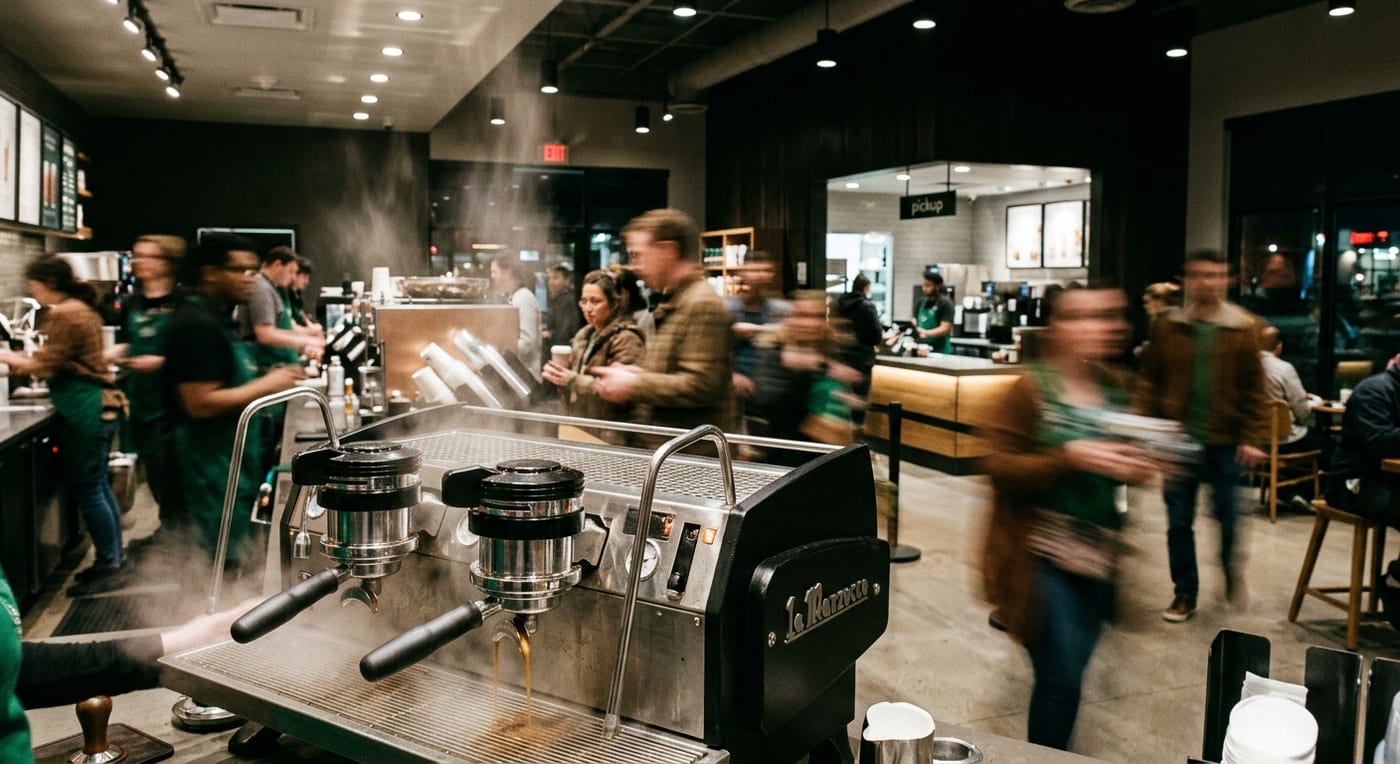
One of Starbucks' standout initiatives is the rollout of smaller-format stores across the United States, described in the article, "Starbucks Expands Smaller-Format Stores to Enhance Community Engagement and Customer Experience". These locations cater directly to local communities, allowing Starbucks to foster deeper customer connections while adapting to ongoing market dynamics. The company’s drive to create a more accessible and welcoming environment echoes its commitment to the 'third place' concept — a hospitality-driven space that resonates with coffee lovers seeking comfort and connection. By embedding itself within neighborhoods, Starbucks aims to tap into growing consumer preferences for convenience and personalization.
A Focus on Digital Strategy
Enhancing its marketing roster, Starbucks has also recognized the significance of digital presence in its overall strategy. The pilot TikTok program reflects Starbucks’ dedication to engaging younger consumers, tapping into trends that resonate with millennials and Gen Z. This initiative, paired with a revenue-sharing model for employee-generated content, showcases the company’s adaptability in modern marketing landscapes. By leveraging social media, Starbucks not only strengthens brand loyalty but also amplifies its presence among digitally-savvy audiences who increasingly value authentic connections.
Operational Efficiency Reinvented
As part of its growth strategy, Starbucks is initiating a $1 billion café operations reset aimed at operational efficiency and enhanced customer experience, detailed in the article, "Starbucks Initiates $1 Billion Café Operations Reset to Enhance Customer Experience and Efficiency". This ambitious project is meant to streamline processes, reduce wait times, and upgrade service quality across locations. Such measures are crucial in maintaining competitiveness, especially as the coffee market becomes increasingly saturated with innovative offerings from both established players and new entrants.
Moreover, Niccol's leadership has shown promise, with quarterly reports indicating a turnaround in global same-store sales, now showing a consistent upward trajectory for the first time in several quarters. The boost in average ticket prices, alongside transaction increases, demonstrates successful customer engagement strategies and points towards a positive market response.
Navigating Competitive Landscapes
Starbucks’ aggressive turn towards community-centered strategies not only aims at building brand loyalty but also positions it favorably against emerging competitors. The coffee market is evolving, with new entrants leveraging technology and fresh concepts to capture consumer interest. For instance, the integration of AI in operational protocols allows Starbucks to analyze customer preferences more closely and adjust service offerings accordingly, ensuring it remains a step ahead in responsiveness and innovation.
Regulatory Challenges and Responsibilities
Starbucks also faces scrutiny from regulatory bodies concerning labor practices, as evidenced by a recent court ruling regarding its employee dress code policies. While the company’s image remains a focal point, it must balance this with labor rights, particularly as efforts to unionize gain traction across various store locations. The company's proactive stance towards community concerns demonstrates an awareness of the broader implications of its operational decisions.
In summary, Starbucks Corporation's journey towards revitalization features an intriguing blend of product innovation, community engagement, and operational overhaul. As it adapts to a competitive landscape marked by constant change, Starbucks is strategically positioning itself for continued growth and resilience. Investors and customers alike are increasingly optimistic, with stock performance up significantly in 2026, reflecting broader market confidence in the brand’s future. The path ahead may be challenging, but Starbucks appears committed to redefining its role in the coffee industry, blending tradition with modernity in its approach to both its products and its community relations. The same pressure is reflected in recent reporting on the issue, which helps explain why the company's pricing decisions remain under scrutiny.