

Starbucks Restructures to Enhance Profitability
ED
Editorial
Cashu Finance·5 min read
TL;DR
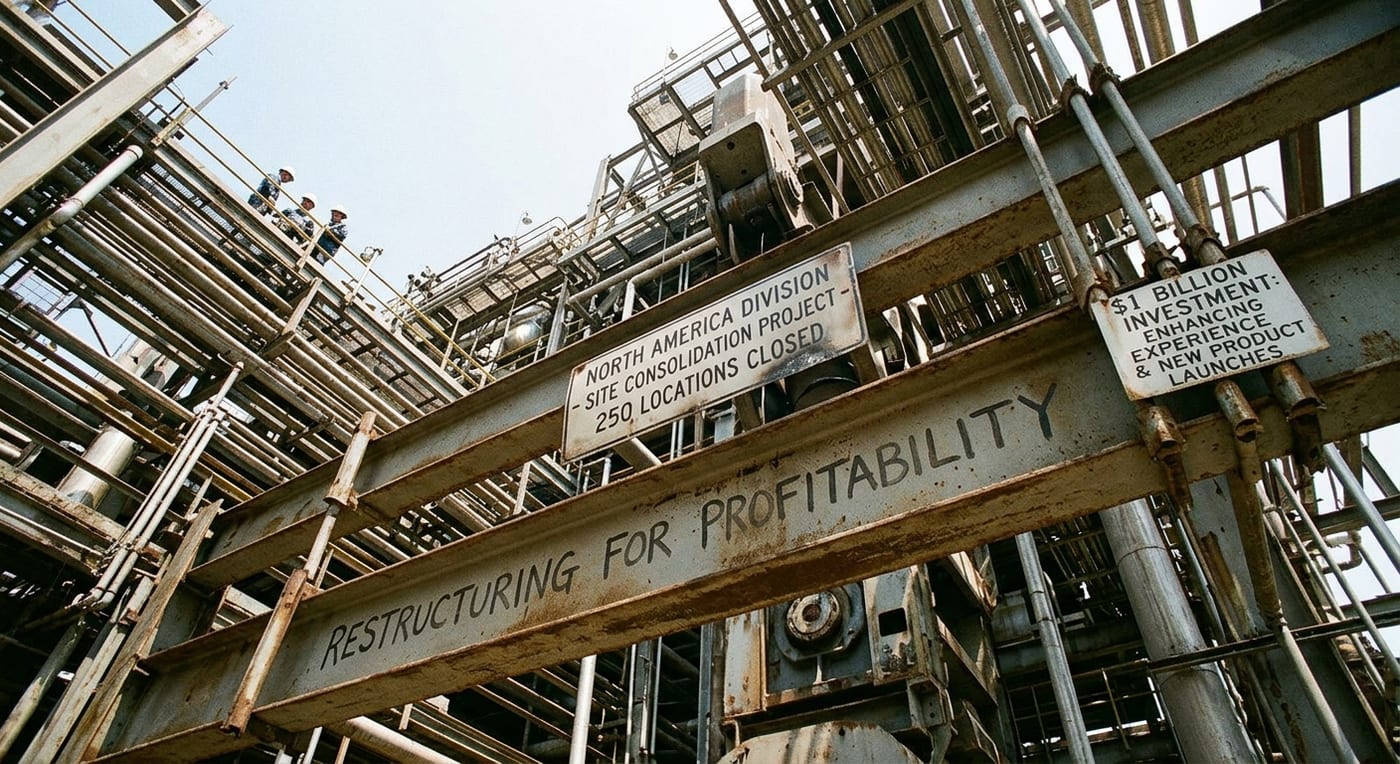
- Starbucks is closing 250 underperforming stores in North America.
- A $1 billion investment focuses on enhancing customer experience.
- New product launches aim to rekindle consumer interest and sales.
Starbucks Corporation (SBUX) is in the midst of a major transformation, implementing significant operational changes aimed at streamlining its business and enhancing profitability. This strategic shift comes as the coffee giant faces a pressing need to adapt to evolving market conditions, customer preferences, and financial pressures. Let's delve into the multifaceted approach Starbucks is taking as it navigates these challenges, focusing particularly on store closures, product innovation, and investment in customer experience.
The Strategic Closure of Underperforming Stores
A core component of Starbucks' current strategy involves the closure of approximately 250 underperforming stores across North America, a move that has garnered significant attention. This decision, announced by CEO Brian Niccol, is part of a broader effort to ensure that locations across the continent not only meet corporate expectations for customer experience but also contribute positively to the company’s bottom line. The closures, which include 64 locations in California alone, represent about 1% of Starbucks' North American footprint, highlighting the company's commitment to realigning its store portfolio.
The decision to close the aforementioned stores arises from a rigorous evaluation of locations that do not adequately deliver the desired customer experience or meet profitability benchmarks. COO Mike Grams expressed that some of these cafes are considered unsustainable under current conditions.
Interestingly, a beloved Starbucks location on Riverside Drive in Burbank, which has operated for nearly 30 years, serves as an emotional touchpoint for many locals. As the store prepares to close, customers reflect on its unique integration into the neighborhood, showcasing how location plays a critical role in customer connection, even for a global brand like Starbucks. This closure underscores the importance of not just product offerings but the overall ambiance and experience tied to each store, a sentiment Starbucks aims to prioritize in its remaining locations.
These actions are not without financial implications; the company is expected to incur a restructuring cost of approximately $300 million as it undertakes this significant operational reset. Such financial adjustments, while burdensome in the short term, position Starbucks better for future profitability and market viability. This initiative can deepen ties with the community while emphasizing a swift recovery strategy that resonates with stakeholders, as highlighted in prior analyzes of Starbucks' shifting operational strategy.
Focusing on Customer Engagement and Innovative Offerings
While tackling store closures, Starbucks is also focusing on revitalizing its product lineup to drive customer engagement. The introduction of its much-anticipated fall menu, marked by the return of iconic products like the Pumpkin Spice Latte, speaks to this strategy. This rollout has proven to attract customers back into stores, indicating that renewing product offerings can lead to a significant uptick in consumer interest and sales when executed correctly.
In tandem with new products, Starbucks is exploring smaller-format stores that foster community connections, all while aiming to enhance accessibility and convenience for their clientele. This move aligns with consumer trends that favor localized shopping experiences. Starbucks' $1 billion investment in renovations aims to uplift existing stores, create an inviting atmosphere, and solidify its status as a community hub.
Strengthening Digital Marketing and Younger Demographic Targeting
Moreover, Starbucks is leveraging digital marketing strategies to connect with younger demographics effectively. By utilizing social media platforms such as TikTok, the company is positioning itself to remain relevant and appealing to Gen Z consumers, who increasingly seek brands that resonate with their values and lifestyles.
The coffee giant’s operational reset emphasizes technological integration and community involvement, ensuring that Starbucks can adjust to changing demographics and preferences while enhancing overall brand loyalty. This dual focus aids in mitigating the effects of competition from smaller, niche coffeehouses that are rapidly gaining traction in various markets.
Broader Market Conditions Impacting Strategy
The operational adjustments within Starbucks also reflect broader economic conditions and consumer confidence levels, particularly as inflationary pressures persist. Consumer spending habits are shifting, prompting many companies, including Starbucks, to recalibrate their business models. The shift introduces challenges and opportunities alike, necessitating swift responses for maintaining leadership in the coffee retail sector.
As Starbucks adapts to these macroeconomic realities, the emphasis on quality over quantity in its store presence will likely pay dividends down the line. Balancing operational efficiency with enhancing customer experiences is central to the company’s future resilience, particularly in a competitive landscape where every customer experience can significantly influence market share.
In Summary
Starbucks Corporation (SBUX) is undoubtedly navigating a transformative era, characterized by store closures and a renewed focus on customer engagement through strategic product innovation. As the firm invests in both customer experiences and localized store formats, it positions itself to emerge stronger amidst market pressures. The strategic vision laid out by leadership, including the incorporation of smaller stores and enhanced digital engagement, reflects an understanding of contemporary consumer needs and a commitment to a sustainable future in the coffee industry.
While the considerable restructuring costs represent a temporary hurdle, the overarching strategy is designed to yield long-term benefits, reaffirming Starbucks' place at the forefront of the coffee retail market. By addressing underperforming locations and revitalizing its offerings, the company is poised to not only recover from the challenges it faces but also to thrive in an increasingly competitive environment. The same pressure is reflected in recent reporting on the issue, which helps explain why the company's pricing decisions remain under scrutiny.