

Starbucks Faces Transformative Challenges
ED
Editorial
Cashu Finance·4 min read
TL;DR
- Starbucks to close 250 underperforming stores in North America.
- Facing a lawsuit over 'sugar-free' product labeling.
- Expanding presence in controversial Xinjiang market in China.
Starbucks Corporation ( SBUX) is currently navigating a significant transformation as it adapts to myriad challenges ranging from store closures to legal disputes over product labeling. This multifaceted approach illustrates the company’s strategy to enhance profitability while still prioritizing customer satisfaction and engagement. In this detailed exploration, we will cover the recent operational changes Starbucks has undertaken, the legal issues it faces, and how its international operations factor into this evolving narrative.
Strategic Store Closures
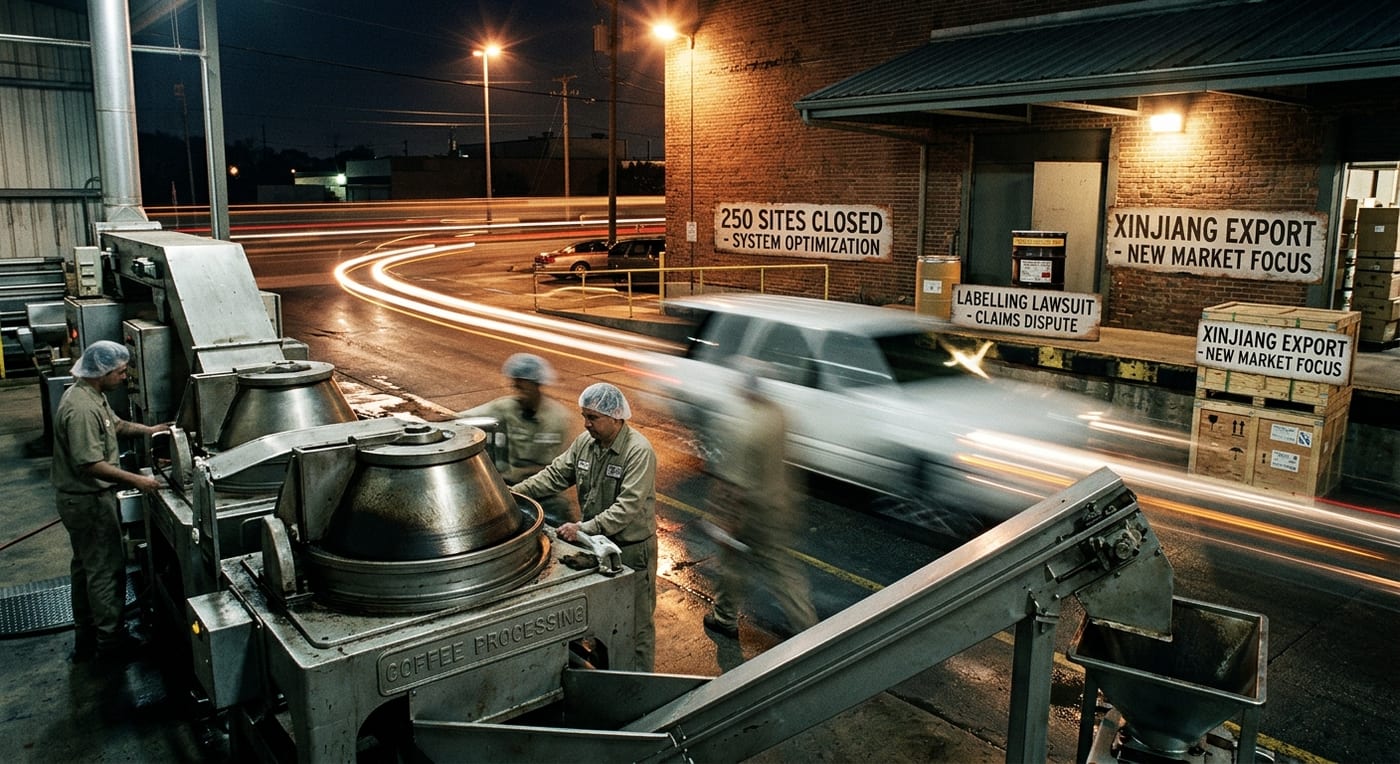
Recently, Starbucks announced that it would close approximately 250 underperforming stores in North America, a move intended to enhance profitability and streamline operations. This decision is pivotal, particularly as it reflects the company’s commitment to reassess which locations are capable of delivering the desired customer experience and financial returns. COO Mike Grams has noted that many of the exits will occur in California, where 64 stores are set to close due to failure to meet corporate standards for customer satisfaction.
According to earlier analyses, this initiative aligns with Starbucks' broader strategy to focus on high-performing outlets while enhancing overall operational efficiency. This strategy not only addresses underperformance but also reflects a calculated response to evolving market conditions and consumer preferences. As mention in previous discussions, Starbucks' restructuring efforts also involve a hefty investment of around $1 billion directed toward improving customer experiences across remaining locations, further reinforcing its business model.
Legal Challenges Over Product Labeling
As Starbucks undertakes these operational changes, it is simultaneously dealing with a proposed class-action lawsuit regarding its 'sugar-free' protein drinks. The lawsuit alleges that these beverages misleadingly carry the “Sugar-Free” label while actually containing natural sugars derived from milk. The plaintiffs contend that this practice violates federal regulations that define how a product can be marketed as ‘sugar-free’.
Starbucks representatives have countered these claims, asserting confidence in the clarity of their marketing materials and product descriptions. This case highlights how careful companies must be not only with their product offerings but also with the language used in their branding. The outcome of this lawsuit could have implications for how Starbucks approaches product marketing in the future, particularly as it expands its portfolio of beverages aimed at health-conscious consumers.
Navigating Geopolitical Waters: The Xinjiang Stores
In a striking move, Starbucks has extended its footprint into Xinjiang, China, amidst rising geopolitical tensions. Following its decision to sell a majority stake in its Chinese operations, the company has opened two stores in a region mired in controversy due to allegations of human rights abuses. Although this expansion could lead to significant growth in the Chinese market, the partnership's geopolitical risks are stirring concerns among U.S. lawmakers and the public.
Critics have labeled Starbucks’ move into Xinjiang as “morally bankrupt,” contradicting the company’s image as a socially responsible entity. Starbucks, however, argues that its growth in China is based on a solid assessment of market potential despite the possible fallout from political sensitivities.
This decision to enter a contentious market underscores not only the challenges of international operations but also the fine line Starbucks walks between profitability and ethics. The ongoing geopolitical climate may significantly impact how American companies, including Starbucks, position themselves in foreign markets and how they navigate the complex interplay between commercial interests and ethical considerations.
Product Innovation and Customer Engagement
Despite the challenges posed by store closures and legal disputes, Starbucks remains focused on innovation, particularly around its product offerings. Recently, the company celebrated its successful fall menu launch, which included cherished seasonal favorites. This launch has garnered enthusiastic consumer response, illustrating that when executed effectively, product innovation can revitalize customer interest and drive traffic to stores.
In this competitive landscape, where brands vie for consumer attention, fostering community engagement through products that resonate with customers embodies a critical component of Starbucks' strategy. By not only maintaining but also expanding its product line in a way that appeals to existing and potential customers, Starbucks can better navigate the turbulence created by its broader operational challenges.
Conclusion: A Balancing Act
Starbucks Corporation ( SBUX) is undeniably in a transformational period defined by the dual need to streamline operations for profitability while also engaging with complex legal and ethical dilemmas in its domestic and international markets. The decisions made in the coming months—related to store closures, product offerings, legal disputes, and geopolitical positioning—will likely shape the coffee giant’s trajectory for years to come. Through calculated adjustments to its business model and a commitment to refining customer experiences amid this tumultuous landscape, Starbucks aims to maintain its status as a leader within the global coffee industry. The same pressure is reflected in recent reporting on the issue, which helps explain why the company's pricing decisions remain under scrutiny.