

SpaceX: Charting a Course in Space Economy
ED
Editorial
Cashu Finance·5 min read
TL;DR
- SpaceX's transformative IPO raised $85 billion.
- Revenue from AI partnerships significantly boosted Q2 performance.
- Upcoming Starship launch critical for future growth and market confidence.
Space Exploration Technologies Corp. (SPCX) is at a pivotal moment in its journey following a transformative IPO that raised approximately $85 billion in June 2026. This monumental event marked not only a significant financial achievement for the company but also a profound shift in its operational strategy, as SpaceX positions itself amidst unprecedented opportunities and challenges in the aerospace and artificial intelligence (AI) landscapes.
The Initial Surge: Understanding the IPO Dynamics
The excitement around SpaceX’s IPO generated a flurry of investor enthusiasm, with shares opening at $150 and peaking at approximately $226 shortly after. However, the stock's volatility quickly became evident as it also experienced drastic declines, highlighting the dual nature of high-profile market entries. Such fluctuations resonate with the typical lifecycle observed in high-stakes tech IPOs, influencing investor sentiment and market confidence.
The initial phase post-IPO revealed the stark contrast in SpaceX's performance between its first and second fiscal quarters. Initially, the company reported a modest revenue growth of just 15%, reaching $4.69 billion. Yet, it astoundingly rebounded in the second quarter, showcasing a remarkable 92% increase in revenue, now standing at $7.8 billion, primarily driven by surges in AI revenue from partnerships with major players like Google and Anthropic. The second-quarter results showed a tripling in segment adjusted earnings before interest, taxes, depreciation, and amortization (EBITDA), reaching $3.5 billion.
This drastic revenue spike reflects the adaptive maneuvering SpaceX has undertaken to leverage its AI capabilities, which has become a critical pillar of its long-term sustainability. As the company embarks on scaling its AI ventures alongside its traditional aerospace operations, determining the sustainability of such impressive growth becomes essential.
AI Potential and Expansion
SpaceX has emerged as a potential major player in the AI landscape, capitalizing on its unique position in the tech ecosystem. Analysts have forecasted a staggering annual recurring revenue (ARR) run rate of $100 billion by the end of 2026. Upcoming cloud contracts with compelling partners bode well for further growth potential, though actual realization of these revenue opportunities remains subject to execution risks.
In fact, the pivotal nature of partnerships cannot be understated. A recent agreement with Anthropic allows SpaceX to capitalize on excess computing capacity, providing a myriad of opportunities for increased profitability. Notably, this strategic pivot has garnered attention from analysts, with some advocating for SpaceX as a foundational player in the burgeoning AI economy, akin to railroads in previous industrial revolutions. Such perspectives highlight the ambitious road ahead for SpaceX and the mounting pressure to successfully navigate its expansive future.
Challenges and Market Sentiment
Yet, with significant rewards come inherent risks. Despite the optimistic outlook, skepticism lingers regarding SpaceX’s astronomical valuation compared to its financial health. The company reported a GAAP loss of $541 million in its second quarter, despite bolstered revenue. This underlines an important tension: how much growth is sustainable in the face of rising operational costs—particularly in the AI segment where capital expenditures have skyrocketed.
Many analysts express concerns about the lofty expectations set by the initial revenue growth, noting that the stock's current valuation reflects an attractive but high-risk investment proposition. Those familiar with high-stakes IPO dynamics also recognize that as the excitement fades, SpaceX’s performance must be anchored in its actual operational achievements rather than projections alone. The steep price-to-sales ratios earlier discussed can induce hesitance among cautious investors.
Building on this, the notion of sustainability transcends mere financial growth; it encompasses maintaining a competitive edge in an increasingly populated field of tech-savvy companies focused on AI and aerospace. As the landscape evolves, SpaceX needs to demonstrate a clear path to not just growth but profitability, addressing longer-term concerns over its substantial operating costs.
The Road Ahead: Starship and Global Market Reach
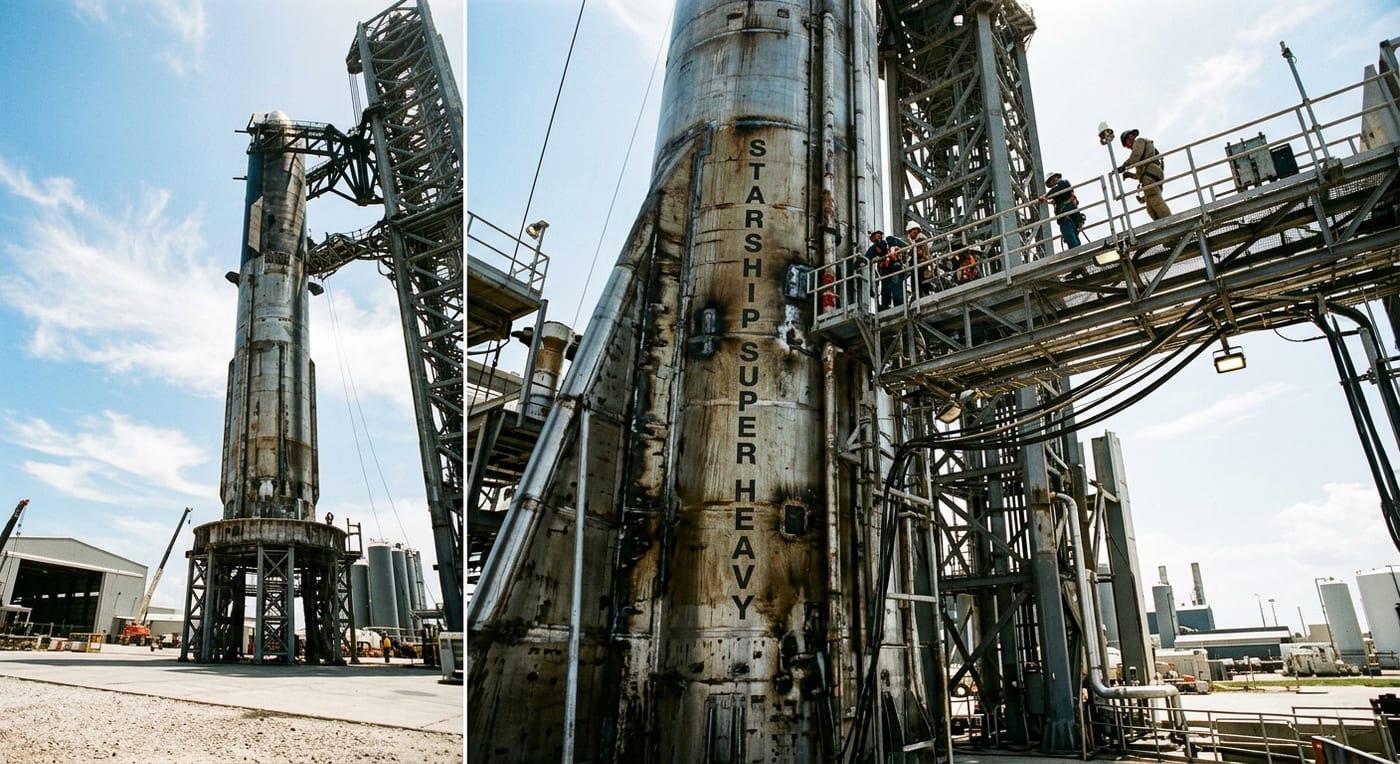
An essential component of SpaceX's identity lies in its pioneering Starship program. As the upcoming launch of Starship is pivotal for its broader strategy, successful execution could serve as a morale boost to investors who remain skeptical of the company’s long-term viability. Operations linked with Starship promises not only to revolutionize space exploration but also to unlock new revenue streams within the commercial launch sector.
Moreover, the company’s ongoing improvements to its satellite internet service, Starlink, have already demonstrated massive growth, with subscriber numbers doubling in recent months. The company’s strategy to expand its connectivity service could pave the way for further operational synergies as space missions become economically viable. Experience with launching satellites gives SpaceX an edge over competitors who may struggle to offer comparable services at such a scale.
Conclusion: A Balancing Act for Investors
As SpaceX transitions from a private entity into the public eye, balancing investor expectations with real operational capabilities will shape its future. The strong initial performance ought to be tempered with vigilance regarding ongoing challenges that include capital expenditure pressures and market volatility. The next series of financial reports and operational achievements will play a critical role in shaping future investor sentiment around the burgeoning aerospace and AI sector.
For those engaging with SpaceX, it becomes crucial to maintain a nuanced understanding of not only its soaring ambitions but also of the complex realities it faces in realizing its grand potential across diverse sectors. The coming months will undeniably shine a light on whether SpaceX can effectively navigate these challenges and emerge as a leading force in the space economy. The same pressure is reflected in recent reporting on the issue, which helps explain why the company's pricing decisions remain under scrutiny.