

SkyWest's Resilience Amidst Operational Challenges
ED
Editorial
Cashu Finance·5 min read
TL;DR
- SkyWest Airlines faces operational challenges due to severe weather disruptions.
- The airline's recent financial performance shows revenue growth but profit pressure from rising fuel costs.
- Strategic pilot recruitment through partnerships positions SkyWest for future growth and resilience.
SkyWest, Inc. (https://cashumarkets.com/stock/skyw) has been making significant headlines recently, especially concerning the impact of severe weather on its operations and strategic maneuvers involving stock buybacks. The regional airline, primarily operating under the SkyWest Airlines name, has faced challenges but also opportunities to innovate and solidify its market position in the aviation sector.
Navigating Severe Weather Disruptions
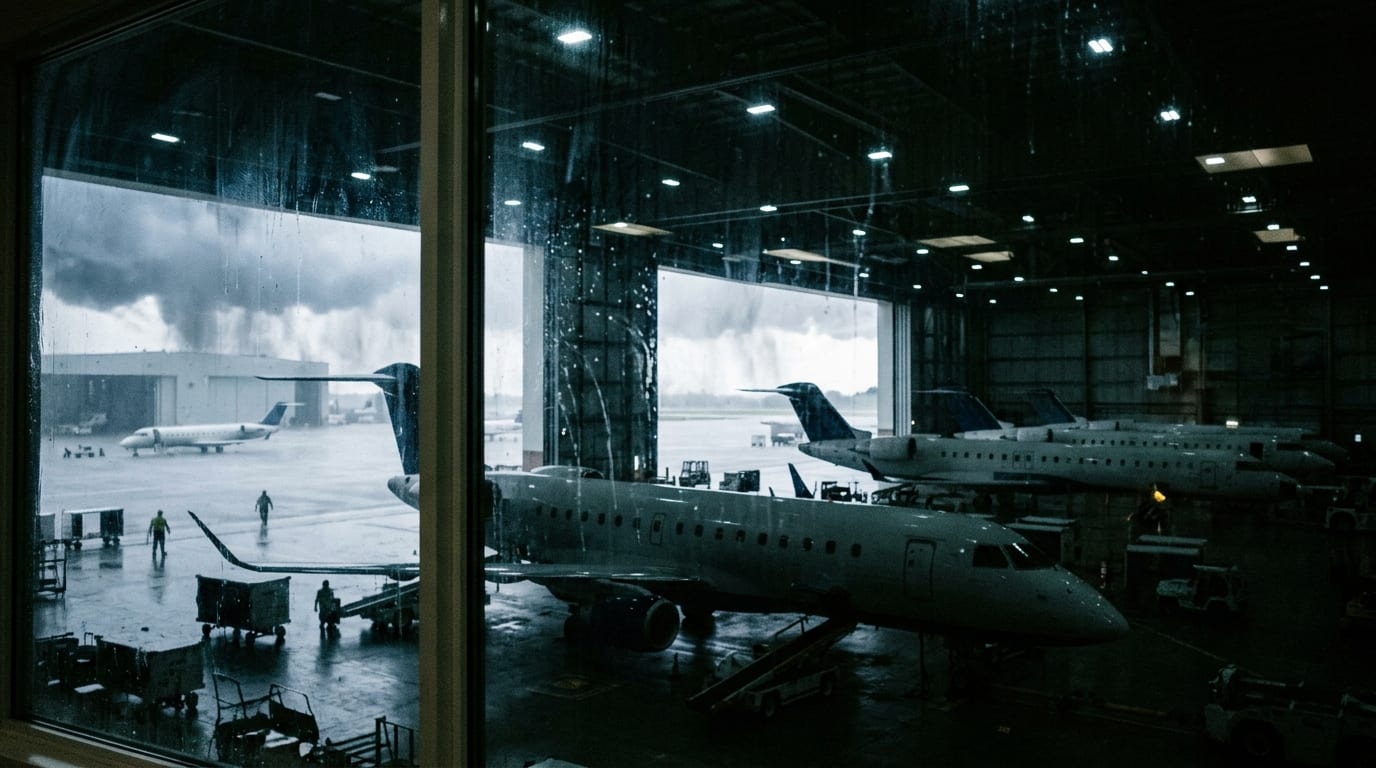
SkyWest Airlines has recently had to navigate a particularly tumultuous operational environment due to severe weather conditions affecting air travel across the United States. The airline recorded 156 flight cancellations, bringing its resilience into focus, particularly during the peak spring break travel period. Key airports, including LaGuardia and JFK, have been heavily impacted, exacerbating the already complex air traffic management issues that many airlines have to contend with.
The implications of these operational disruptions go beyond immediate inconveniences for travelers; they underline a need for robust crisis management strategies that SkyWest must develop to enhance operational efficiency during unexpected severe weather events. As reiterated in a related article discussing severe weather impacts, SkyWest must explore long-term strategies that will boost its resilience against recurring weather disruptions, highlighting the volatility inherent in the aviation business today.
The weather challenges are a stark reminder that airlines, including regional carriers like SkyWest, are susceptible to external shocks that can drastically alter operational dynamics. The need for enhanced scheduling flexibility and traffic management emerges as a critical area of focus for the airline as it strives to maintain service reliability and customer satisfaction.
Financial Performance and Stock Dynamics
While operational issues complicate SkyWest’s short-term outlook, the airline’s financial performance reveals intriguing trends. The company reported a 7% increase in second-quarter revenue reaching $1.1 billion. However, this growth was marred by net income pressures, as profitability dipped due to rising fuel costs, a concern shared across the airline industry. Higher operational expenses can, and do, act as a stranglehold on margins, particularly in volatile markets. Whereas the revenue figures are promising, the margin pressure mandates vigilant management of cost structures.
In light of these dynamics, SkyWest has authorized an additional $250 million for stock buybacks. This reaction signals confidence in the company’s long-term outlook despite current challenges. The buyback strategy can be interpreted as a strong signal to investors, demonstrating that the company values its stock and believes in its future prospects, balancing the narrative around recent insider selling, which, while concerning, does not reflect a lack of commitment to the company's direction.
In fact, the insider sales occurring around the same time as the affirmative buyback strategy may reflect broader financial planning tactics rather than any waning confidence in SkyWest’s fundamentals. CFO Robert J. Simmons and CEO Russell A. Childs both recently liquidated portions of their holdings, timing their sales just after the earnings announcement. Despite their reductions, both executives maintain substantial investments in the company, signaling that they still believe in the airline's value proposition. While such sales may raise eyebrows among investors, it’s critical to consider the context in which these transactions take place.
Strategic Partnerships and Pilot Supply
On a more optimistic note, SkyWest has recently enhanced its pilot supply chain through strategic partnerships, particularly with ATP Flight School. In January, the airline welcomed 56 new cadets into its Pilot Pathway Program, showcasing a proactive approach to addressing the ongoing pilot shortage that has hampered many airlines. This recruiting initiative ensures a steady flow of trained pilots entering the industry, equipping SkyWest with the human capital needed to support its operations amid rising flight demand.
This partnership with ATP not only aids in addressing immediate staffing needs but also signals a commitment to long-term operational sustainability. By funneling freshly trained pilots into its ranks, SkyWest positions itself advantageously to meet increasing market demands, which is especially pertinent in the current climate where air travel is seeing robust recovery from pandemic lows.
The Outlook Ahead
As SkyWest enters the coming months, it faces a confluence of operational challenges and opportunities. With weather-related disruptions exposing vulnerabilities, the need for improved traffic and operational management has never been clearer. Concurrently, the airline's proactive measures involving financial strategies and pilot recruitment illustrate a commitment to countering adversities while fortifying its market position.
The unfolding narrative around SkyWest is one of resilience in the face of adversity, with clear signals from both operational and financial fronts. Investors and stakeholders will need to remain vigilant as the airline continues to adapt to an ever-changing environment fraught with both risks and opportunities. Through careful navigation of these challenges and strategic leveraging of resources, SkyWest, Inc. will continue to serve as a key player in the U.S. regional airline industry.
As it stands, the dual effort of managing immediate operational disruptions while investing in long-term foundational strengths should serve SkyWest well in maintaining its competitive edge in the aviation sector. The same pressure is reflected in recent reporting on the issue, which helps explain why the company's pricing decisions remain under scrutiny.