

Six Flags Navigates Challenges and Opportunities
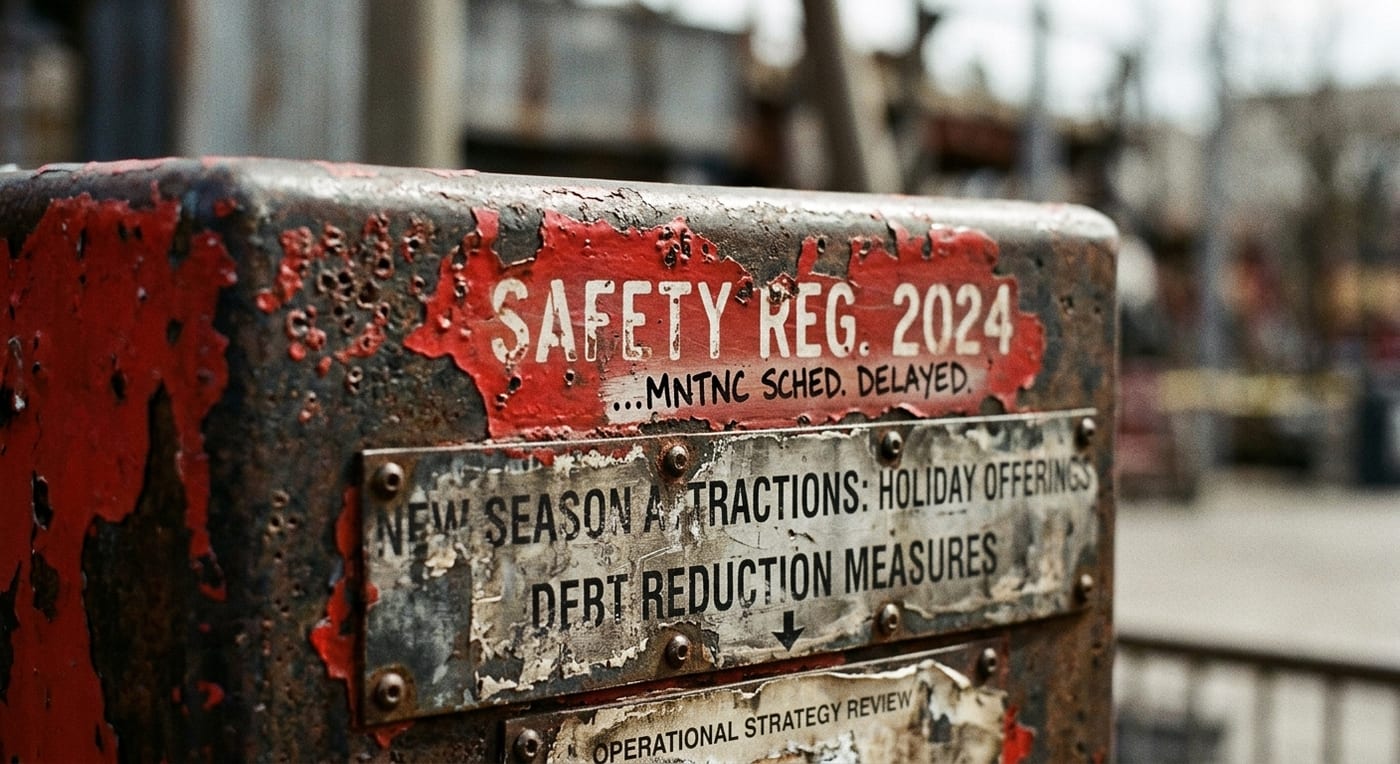
- Six Flags faces significant challenges due to a recent tragedy.
- The company is shifting focus to long-term growth and debt reduction.
- New holiday offerings aim to enhance customer engagement and drive attendance.
A Tragic Incident Shakes Six Flags
The tragic incident that took place on October 9, 2026, at Six Flags Over Georgia where a 42-year-old man fell from the Goliath roller coaster has amplified existing concerns over safety at amusement parks. This event resulted in the park immediately closing nine rides across the chain, emphasizing a commitment to safety that many believe is now under scrutiny. The aftermath of this incident has not only affected guest safety perceptions but has also led to a significant stock plunge. Following the news, Six Flags' stock price tumbled by 10.60%, marking a historic low for the company, which was further exacerbated by a call for improved safety measures from both the public and industry regulators.
Key Implications for Six Flags' Operational Strategy
The implications of this tragedy could be far-reaching, with potential investigations into Six Flags’ safety protocols and operational practices. Compounding this is the looming presence of investor skepticism, which could weigh heavily on future earnings reports, essential for rebuilding confidence in the brand. As observed from a previous article, Six Flags is in a delicate position whereby ongoing investigations and operational reviews could redefine their public image and financial trajectory. As seen earlier this year, the company had already struggled with similar issues following a string of safety-related incidents, paving the way for heightened anxiety regarding brand integrity.
Strategic Shifts: Focusing on Long-Term Growth
Despite these challenges, Six Flags' management remains committed to long-term growth strategies. In their recent earnings call on November 5, 2026, the leadership team outlined an aggressive approach to debt reduction and park portfolio optimization. They aim to divest non-core assets to streamline operations and improve cash flow. This approach is crucial, especially in the wake of fluctuating income due to declining attendance and increased scrutiny over safety procedures. As stated during this call, they are directing proceeds from potential asset sales towards lowering leverage ratios, aiming for a healthier business structure that could sustain profitability.