

Roblox's Age Verification Crisis
Cashu Finance·5 min read
TL;DR
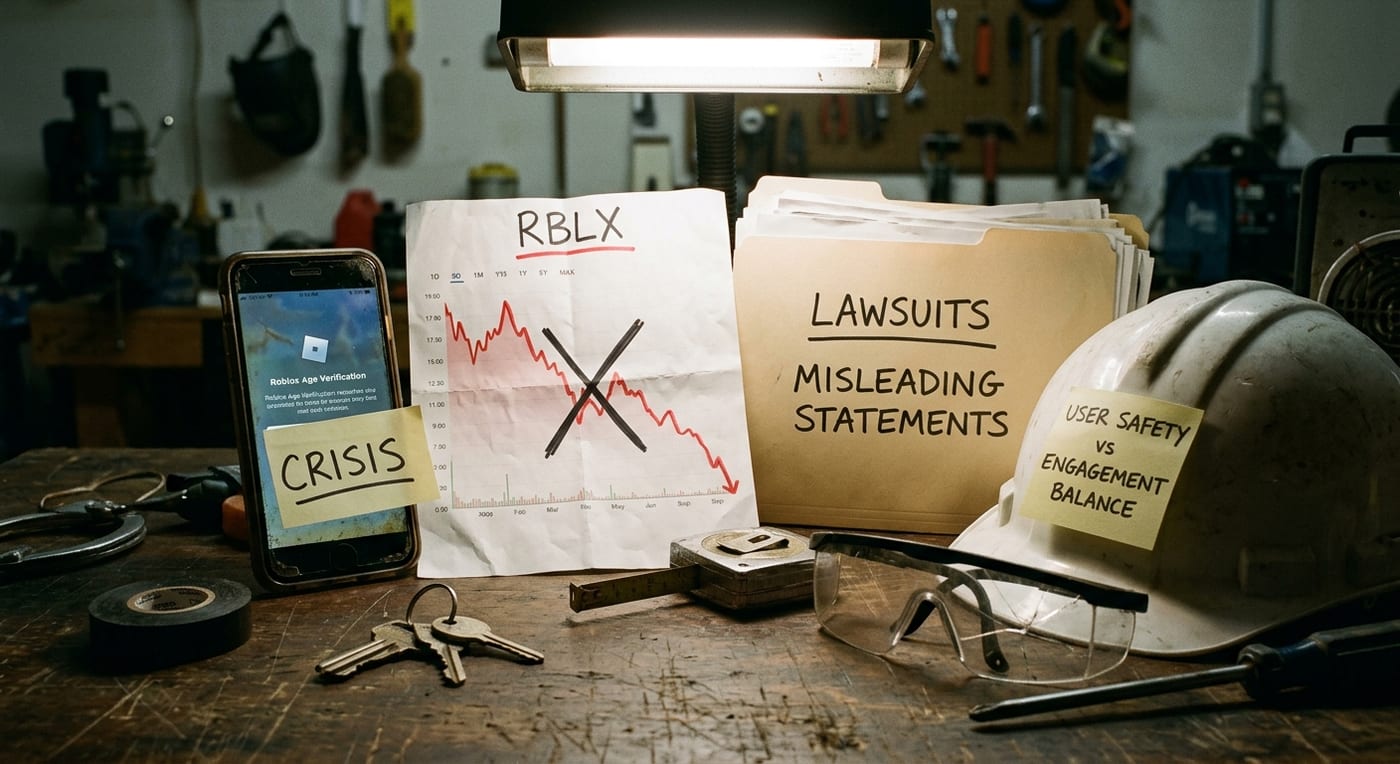
- Age verification rollout led to a significant drop in stock value.
- Legal challenges arising from investor lawsuits over misleading statements.
- Future strategies hinge on balancing user safety with engagement.
Roblox Corporation (RBLX) has found itself at a critical juncture following its recent rollout of age verification measures aimed at enhancing user safety on its platform. While the initiative initially promised to create a safer environment for the predominantly young audience, it has inadvertently led to a significant decline in user engagement and investor confidence. This article delves into the ramifications of these events and explores how they have affected Roblox's operational dynamics, future strategies, and investor outlook.
The Introduction of Age Verification: A Double-Edged Sword
In 2026, Roblox implemented stringent age verification measures described by the company as the 'gold standard' for user safety. However, this initiative has not unfolded as anticipated. The age verification system, which was expected to be seamless, has faced criticism for creating friction that deters new users from engaging with the platform. Following the rollout, Roblox reported a staggering 18% drop in stock value, equating to approximately $6.7 billion in market capitalization being wiped out in just one day. Such a drastic drop underscores the disconnect between user preferences and the company's safety measures. Investors were quick to respond, and the fallout from this age verification rollout offers a glimpse into Roblox’s vulnerabilities in a rapidly evolving online landscape.
User Engagement Challenges
The age verification rollout has produced mixed results, with adoption rates of just 51% among global daily active users shortly after the launch. When previously, Roblox had touted its robust user engagement metrics, the age verification measures led to reduced app store ratings and diminished user retention. The adverse effects on app store ratings have had knock-on effects, resulting in a drop in organic sign-ups and overall engagement. This was particularly highlighted in the recent analysis, showcasing that the initiative, meant to secure the platform, paradoxically diminished engagement levels.