

Rivian: Navigating Challenges and Seizing Opportunities
ED
Editorial
Cashu Finance·5 min read
TL;DR
- Rivian aims for 65,000 to 70,000 vehicle deliveries in 2026.
- The introduction of the R2 and strategic cost savings could enhance profitability.
- Domestic production positions Rivian advantageously against tariff pressures.
Rivian Automotive, Inc. (RIVN) is drawing attention as the latest developments come into focus. Rivian Automotive, Inc. (RIVN) is at a pivotal moment in its quest to establish itself as a strong player in the electric vehicle (EV) market. Navigating through financial hurdles, competitive pressures, and evolving market dynamics, the company’s recent performance highlights strategic shifts that may bolster its future growth. This article delves into Rivian's recent achievements, the implications of its production strategies, financial maneuvers, and what they mean for investors looking at the automotive landscape.
Recent Performance and Production Achievements
The ongoing recovery in Rivian’s operations becomes evident through its vehicle deliveries, demonstrating a notable resilience. In the third quarter of 2026, Rivian delivered 19,248 vehicles, representing a remarkable 46% increase year-over-year. This performance is set against a backdrop where Rivian aims for total vehicle deliveries between 65,000 and 70,000 for 2026, emphasizing its commitment to scaling operations and enhancing its product offerings.
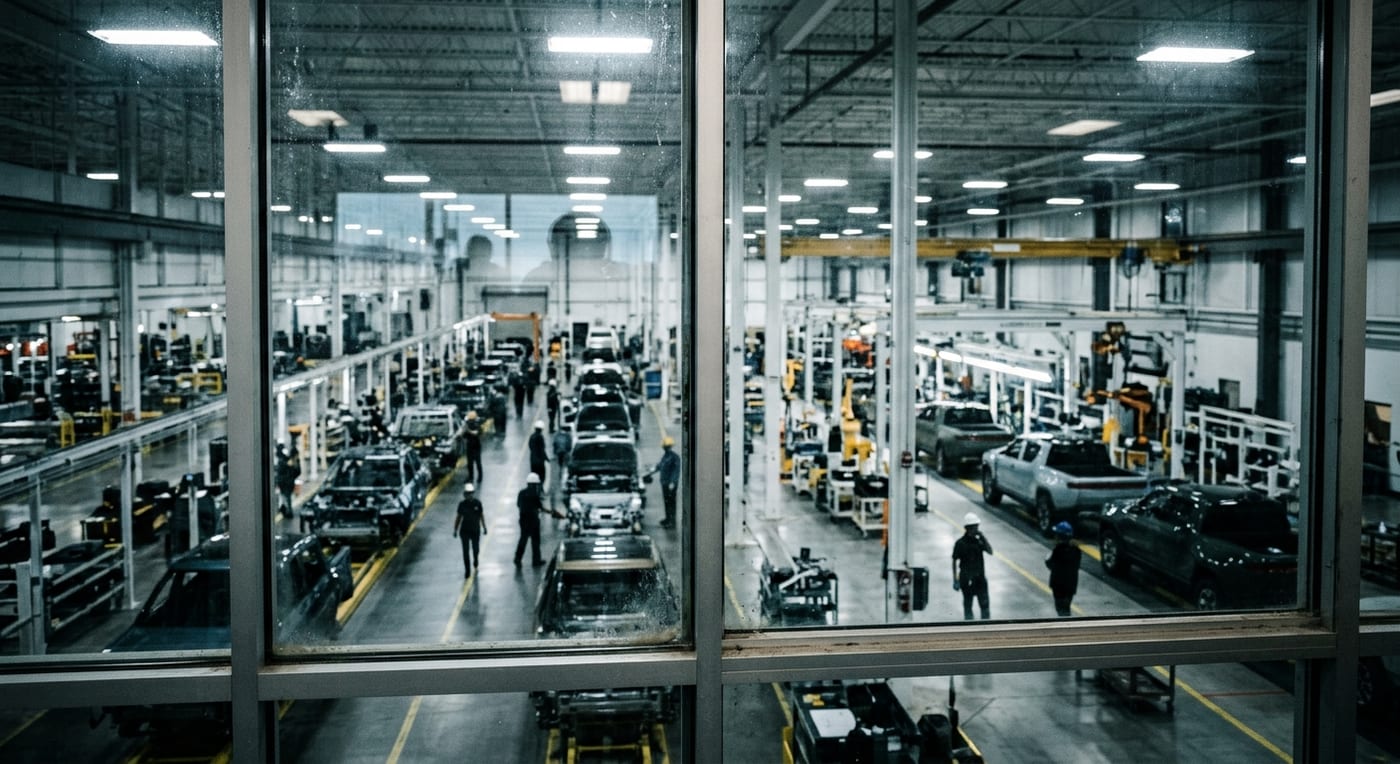
Rivian’s production strategy is focused on the highly anticipated R2 midsize SUV, which is expected to play a vital role in driving both volume and profitability. The recent launch of a second production shift at its Illinois facility has further cemented Rivian's operational capabilities. While the impact of this shift may not reflect immediately in financial reports, it signals a preparedness to meet growing vehicle demand and potentially improve margins. With plans for a third shift next year and additional lower-priced trims for the R2, Rivian appears poised for not just maintaining but accelerating momentum as it heads into the following year.
Sourcing and Cost Management Strategies
A crucial aspect of Rivian’s upcoming vehicle models lies in the enhanced manufacturing efficiency and a more favorable negotiating stance with suppliers. CEO RJ Scaringe has affirmed that Rivian is not just in the business of creating cheaper vehicles but of manufacturing them more efficiently. By redesigning components and leveraging newfound negotiating power with suppliers, Rivian is expected to achieve significant savings.
For instance, the R2's redesign anticipates about a 70% reduction in component costs primarily due to architectural changes. Rivian is reducing part counts significantly, exemplified by cutting rear door parts by 65%. Such adjustments are crucial as they aim to enhance both production efficiency and economics.
This strategic pivot doesn't merely pertain to immediate cost savings – it is tied to Rivian’s overarching goal to appeal to a broader consumer base. The R2, being marketed at a more accessible price point than the original R1, is likely to entice a larger demographic, thereby driving sales volume and utilizing the economies of scale.
Financial Landscape and Market Pressures
Despite the encouraging production metrics, Rivian faces ongoing financial scrutiny. Investors are keenly aware of the challenges related to profitability and the company’s reliance on regulatory credits, which have been declining. This trend creates pressure to optimize production costs and enhance vehicle economics significantly. As noted in a recent analysis, Rivian's automotive segment could unlock greater gross profit potential as it ramps up R2 production, despite overall automotive losses still being a concern.
Rivian’s strategy focusing on achieving break-even operational efficiency is critical. As production increases, Rivian must absorb initial costs associated with launching new models, all while managing fixed expenditures across an increasing vehicle fleet. Observations suggest Rivian is gearing up not just to survive but to create a sustainable path toward profitability through improved vehicle economics.
Thus, Rivian’s ability to enhance profitability relies not merely on the number of vehicles produced but on how effectively it can control costs and leverage production efficiencies. This mirrors broader market trends being observed within the EV sector, where the pressure to innovate and reduce costs remains pivotal amid intensifying competition.
Strategic Advantage Amidst Tariff Landscape
An often-overlooked advantage for Rivian is its domestic production strategy, which positions it favorably against competitors that rely on imported vehicles. The U.S. government's imposition of a 25% tariff on foreign vehicles means companies like Ford and General Motors face enormous cost increases, estimated to be between $5,000 to $10,000 per vehicle. Rivian, benefiting from its domestic manufacturing model, can avoid these tariffs, thereby enabling it to maintain competitive pricing relative to its rivals.
This strategic edge is significant not just for current operations but also for Rivian's long-term positioning in the market. Investors appear to recognize this factor, particularly as the broader economic landscape shifts. Rivian's commitment to sustainability and domestic manufacturing aligns with evolving consumer preferences, further enhancing its potential for strategic growth.
Investor Outlook and Future Prospects
Looking ahead, Rivian’s focus on developing a robust product portfolio, including the upcoming R2 and R3 models, illustrates a forward-thinking strategy aimed at expanding market share. As the company enhances its production capabilities and fine-tunes its cost structure, the next few quarters will be essential for gauging whether Rivian can pivot toward a trajectory of profitable growth.
Investors are encouraged to watch how well Rivian can navigate its financial challenges and capitalize on the opportunities presented by its domestic production capabilities. With its strategic initiatives following the recent capital raise and focus on leveraging supplier relations, Rivian appears to be laying the groundwork for sustained operational success.
In conclusion, Rivian Automotive, Inc. (RIVN) is navigating an intricate balance of opportunity and challenge as it strives to solidify its place in the electric vehicle landscape. Its innovative strategies in production, cost management, and market positioning are crucial to its ongoing development, paving the way for a potentially transformative chapter in its operational journey. The same pressure is reflected in recent reporting on the issue, which helps explain why the company's pricing decisions remain under scrutiny.