

Qfin Holdings Faces Financial Challenges
ED
Editorial
Cashu Finance·4 min read
TL;DR
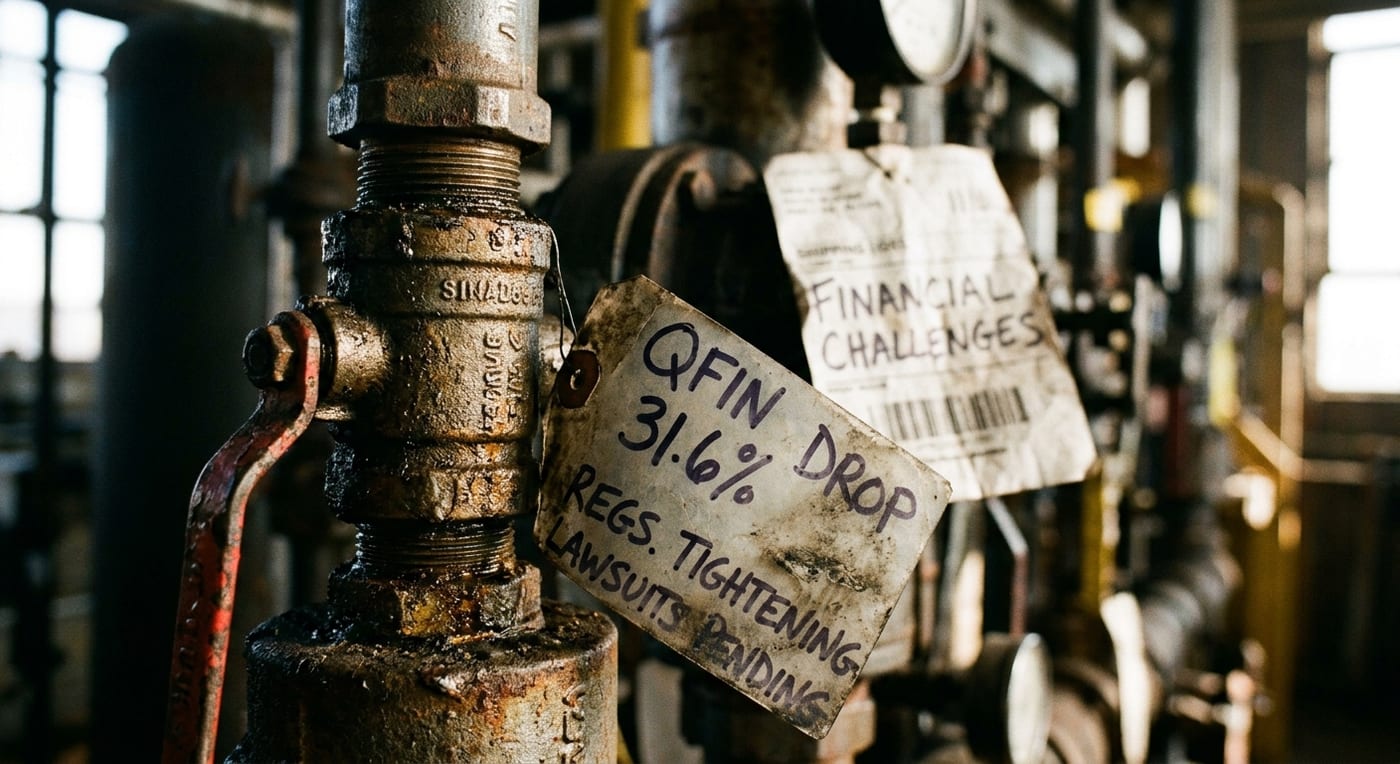
- Qfin faces a significant 31.6% drop in revenue.
- Ongoing class action lawsuits complicate the company's legal landscape.
- Tightening regulations pose further challenges to recovery efforts.
Qfin Holdings, Inc. ( QFIN) is facing a myriad of problems that threaten its operational viability and appeal in the consumer finance sector. A significant revenue decline has led to mounting investor scrutiny, spurred by ongoing legal issues and unfavorable regulatory changes. This article delves into the recent performance of Qfin Holdings, revealing how these challenges impact its financial standing and future outlook.
Financial Performance Under Pressure
As reported, Qfin Holdings has suffered a staggering year-over-year revenue decline of 31.6%, totaling RMB 3.57 billion for the second quarter of 2026. This sharp drop not only shattered prior expectations but has raised flags regarding the company’s operational integrity. Investors' apprehension has been further amplified by a disconcerting 76.8% decrease in net income, primarily due to an unexpected RMB 500 million tax expense. This drastic downturn serves as a grim reminder of the complexities the company faces amid challenging market conditions. The direct implications of these figures indicate a pressing need for Qfin to reassess its operational strategy and financial governance.
These alarming financial stats were echoed in previous reports highlighting the ongoing economic pressures on Qfin, due in part to tightening regulations within China’s consumer credit market. As noted, management has indicated a projected 67% to 73% reduction in non-GAAP net income for the upcoming quarter, largely attributed to rising funding costs and systemic liquidity issues. Such a forecast understandably heightens skepticism about the company’s capacity to stabilize and restore profitability.
Legal Challenges and Investor Sentiment
Additionally concerning is that Qfin is embroiled in multiple class action lawsuits initiated by alarmed investors claiming that the firm has made materially false statements regarding its financial health. These legal challenges come at a precarious time as the company grapples with reports that suggest it overstated the resiliency of its business during regulatory transitions. According to legal filings, defendants allegedly failed to disclose the severe implications of market and regulatory pressures that have begun to materialize.
The impending November 30, 2026, deadline for lead plaintiff motions in these lawsuits underscores the urgency felt by investors. With growing scrutiny on its public statements and financial disclosures, Qfin faces a precarious balancing act; it must strive to present a credible narrative to both the market and legal entities while addressing its operational challenges. In particular, the investor legal community, represented by firms such as Rosen Law Firm, has been advocating for the rights of those impacted during the tumultuous class period and has cautioned potential claimants about the importance of acting quickly to secure representation.
Regulatory and Market Conditions
On the regulatory front, changes in the Chinese consumer finance landscape have also added to the complexity of Qfin's recovery efforts. Industry contractions and enhanced oversight have created an environment ripe for scrutiny, leaving firms like Qfin to navigate a treacherous operational landscape. Regulatory changes pose what can be viewed as existential threats, complicating the potential recovery trajectory for Qfin as they grapple with maintaining compliance while reclaiming tarnished investor confidence.
The wider industry trends, including the tightening of consumer credit availability, have directly influenced Qfin's market performance and public perception. The adverse regulatory landscape not only adds a layer of difficulty to operational recovery but also entraps the company in a cycle of negative investor sentiment that could further hinder future financial performance.
Looking Ahead: A Question of Viability
Looking forward, the strategic options for Qfin seem limited yet critical for survival. A clear pivot towards transparency will be necessary to regain investor trust, which has been notably shaken by the recent revenue shortfalls and legal entanglements. Transparency in disclosing financial health and operational changes is essential, particularly as the class action lawsuits demand accountability and clarity regarding the company's assertions. Additionally, Qfin must focus on strategic operational adjustments aimed at stabilizing revenue inflow and improving cost management, particularly in light of increasing regulatory scrutiny surrounding funding practices.
Moreover, there is an onus on Qfin to engage stakeholders, including investors and regulators, more effectively as it addresses these multifaceted challenges. By providing comprehensive details about remedial measures and enhanced oversight, Qfin could regain some measure of confidence in the marketplace. The company's operational pivots, if made strategic and timely, could serve as the linchpin to stabilizing its financial health and restoring its credibility in an unforgiving market.
As Qfin Holdings continues to confront its evolving landscape fraught with challenges, navigating this intricate web of financial difficulties, regulatory changes, and legal pressures will be crucial to ensuring its long-term viability, credibility, and operational success.