

PepsiCo's Strategic Adaptations in a Changing Market
ED
Editorial
Cashu Finance·5 min read
TL;DR
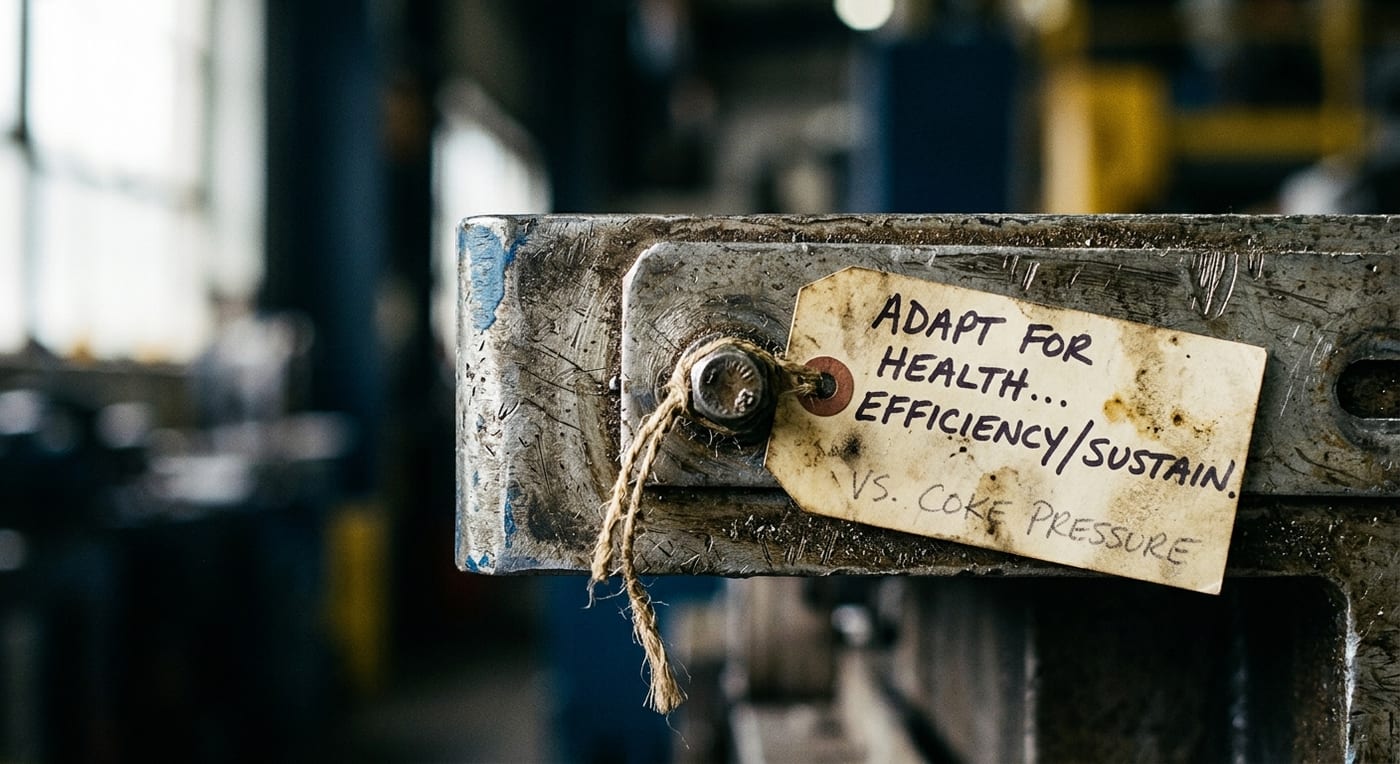
- PepsiCo adapts to changing consumer preferences for health.
- Facing significant competitive pressures from Coca-Cola.
- Innovations aimed at enhancing operational efficiency and sustainability.
PepsiCo, Inc. (PEP) is drawing attention as the latest developments come into focus. PepsiCo, Inc. (PEP) is navigating a transitional phase marked by evolving consumer preferences, heightened competition, and significant financial headwinds. This article delves into the key challenges and strategic initiatives that define PepsiCo's current operational landscape, focusing particularly on its realignment efforts in response to a health-conscious consumer base and competitive pressures from primary rival Coca-Cola.
The Shift in Consumer Behavior
In recent years, health awareness among consumers has surged, leading to changes in purchasing behavior across the food and beverage sectors. The rise of weight-loss medications, such as GLP-1 drugs, has prompted many consumers to favor smaller portion sizes and healthier options. This shift poses both a challenge and an opportunity for PepsiCo, which has long been associated with popular but calorie-laden snacks and sugary beverages.
PepsiCo's response to these changing consumer behaviors involves significant innovation within its product offerings. The company's commitment to refreshing its brand image aligns with the trends of health and wellness, a strategy that is essential in retaining market share, particularly amidst intense competition from rivals like Coca-Cola, whose recent performance has showcased strong organic growth. As per insights from a recent analysis, Coca-Cola reported a remarkable 6% sales growth in the second quarter of 2026, contrasting with PepsiCo's modest 2.4% organic sales growth in the same timeframe.
In its efforts to adapt, PepsiCo has shifted focus toward healthier beverage alternatives and better-for-you snacks, enhancing its portfolio to resonate with the current market demand. This transformation not only aims to appeal to health-conscious consumers but also secures the company's relevance in a competitive landscape increasingly dominated by brands that cater directly to wellness trends.
Competitive Challenges from Coca-Cola
The rivalry between PepsiCo and Coca-Cola remains a significant factor in shaping industry dynamics. Recent trends indicate that Coca-Cola has gained a competitive edge, with its streamlined focus on beverages allowing it to optimize revenue growth effectively. In contrast, PepsiCo's diversified business model, which includes a substantial snacks division, has become a double-edged sword. The intense competition has grown particularly fierce in the beverage category, where Coca-Cola's focused strategy has brought it to the forefront.
Despite its diversified portfolio, PepsiCo's snack division has struggled in some areas due to rising costs and changing consumer preferences, impacting its market share. The contrast between the two titans is evident, as Coca-Cola has outperformed in stock valuation, reflecting investors' favor towards companies with more focused strategic directives.
In light of these competitive pressures, understanding operational shifts within PepsiCo is crucial. The company's strategic initiatives currently focus on refining its product lines and enhancing its operational frameworks to secure a competitive advantage that resonates with its evolving customer base.
Innovations Driving New Revenue Streams
Amidst these hurdles, PepsiCo is keen on leveraging its extensive distribution networks and brand recognition to introduce more functional snack options and beverages. Recently announced plans include integrating its snack and beverage distribution systems to enhance logistical efficiency, primarily by establishing mixed distribution centers. Such innovations are designed to optimize delivery costs, reduce redundancy, and ultimately improve profit margins across its vast portfolio.
Moreover, PepsiCo continues to embrace sustainability through its Positive Agriculture (pep+) initiative, which is scaling regenerative agricultural practices. This commitment not only aligns with current consumer expectations around corporate social responsibility but also strengthens supply chains and enhances long-term operational resilience by ensuring sustainable ingredient sourcing. The focus on sustainability is an increasingly vital aspect for consumers, further linking public trust to brand loyalty.
Financial Outlook and Investor Sentiment
Despite being classified as a Dividend King with a notable history of dividend increases, PepsiCo has recently seen a decline in its stock price, resulting in a nearly 30% drop from its 2023 high. Investor sentiment appears cautious amidst ongoing inflation pressures and shifting consumer behavior, with PepsiCo's stock down approximately 10% in comparison to the S&P 500's upward trajectory, which is a significant concern for stakeholders.
Nonetheless, some analysts suggest that PepsiCo's ability to adapt and innovate may pave the way for a recovery. Its broad market reach and expansive portfolio continue to provide a buffer against economic instability, reinforcing its position as a resilient player in the consumer staples sector. As investments are made to streamline operations and bulk up on healthier options, long-term recovery appears feasible if organizational strategies align effectively to meet emerging market demands.
Conclusion: Navigating Future Challenges
In conclusion, PepsiCo, Inc. (PEP) stands at a vital junction. The interplay of competitive pressures, evolving consumer preferences, and operational challenges presents a complex landscape for the food and beverage giant. PepsiCo's proactive responses—ranging from product innovation to bolstering sustainability efforts—illustrate a commitment to navigating through these complexities with agility. The company's journey forward depends significantly on how well it executes its strategic adjustments and adapts to the changing dynamics of both consumer tastes and competitive strategies. As PepsiCo continues to push forward, its resilience as an industry leader will be tested, but the potential for revitalization remains strong if it capitalizes on current trends successfully. Through strategic foresight and concerted efforts in innovation and sustainability, PepsiCo may not only weather the current market storms but also emerge as a refreshed contender poised for long-term growth. The same pressure is reflected in recent reporting on the issue, which helps explain why the company's pricing decisions remain under scrutiny.