

PepsiCo: Navigating an Evolving Market
ED
Editorial
Cashu Finance·5 min read
TL;DR
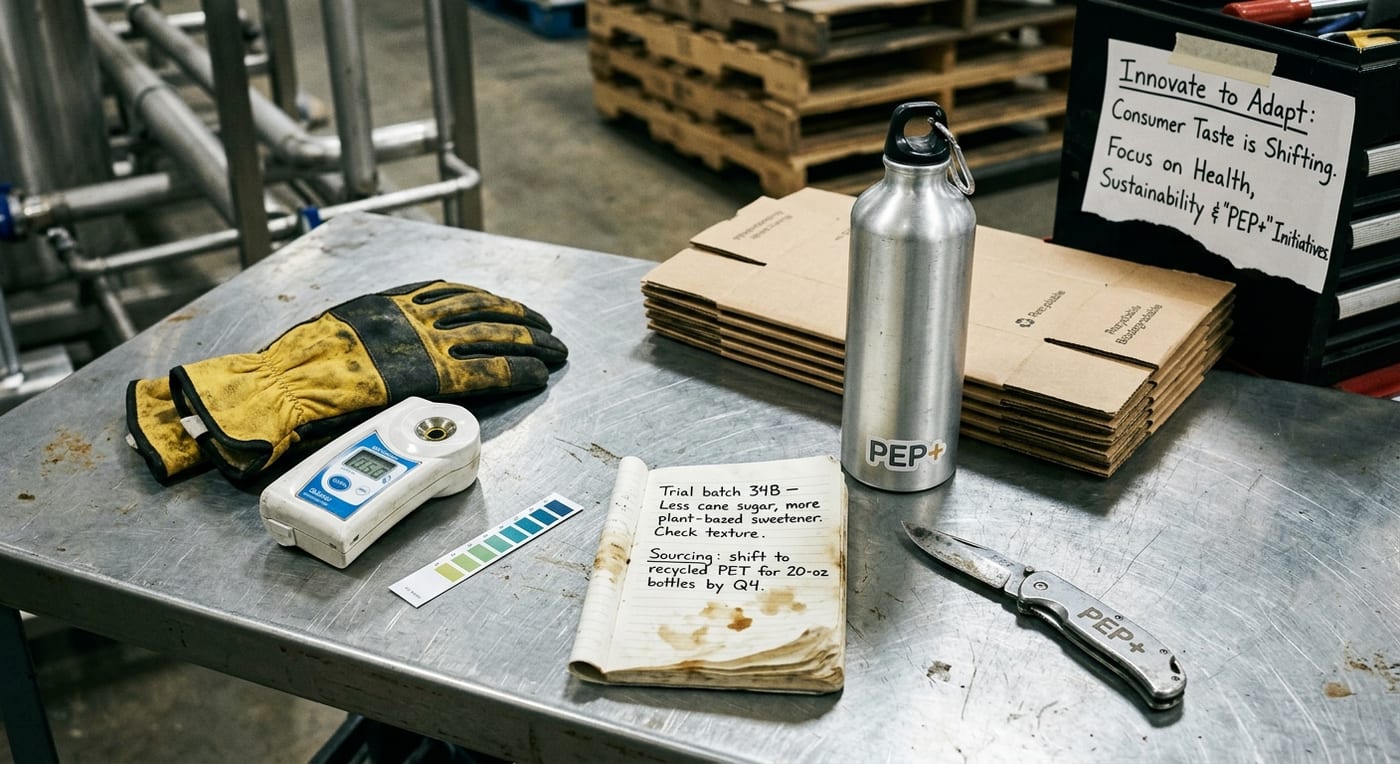
- Focus on innovation amid changing consumer health trends.
- Competitive challenges from Coca-Cola affecting market performance.
- Commitment to sustainability through the pep+ initiative.
PepsiCo, Inc. (PEP) is drawing attention as the latest developments come into focus. PepsiCo, Inc. (PEP) is currently navigating a complex landscape characterized by changing consumer preferences, competitive pressures, and a commitment to sustainability. Over the last few years, significant shifts in consumer behavior, fueled by rising health consciousness and the emergence of innovative dietary options, have compelled PepsiCo to reconsider its traditional business strategies. This detailed exploration sheds light on how these factors have affected PepsiCo's operations, revealing both challenges and opportunities that are shaping its future.
Transforming Consumer Preferences
In recent times, consumers have become increasingly aware of their health and wellness, leading to a notable impact on purchasing decisions across the food and beverage industries. Weight-loss medications, especially GLP-1 drugs, have influenced many individuals to opt for smaller meal portions and healthier alternatives. As a result, PepsiCo is actively working to innovate its product offerings to align with these new dietary trends. This change is essential as consumers prioritize health, urging PepsiCo to create products that cater to this evolving mindset. The company's robust portfolio positions it well to meet these demands, potentially through partnerships or the development of new products aimed at health-conscious consumers. That backdrop echoes earlier coverage of the issue, especially around how pricing, strategy, and demand feed into the current story.
Competitive Pressures and Market Challenges
PepsiCo's primary competitor, Coca-Cola, has been performing strongly in the stock market, as evidenced by its focused beverage strategy. This divergence has led to a significant contrast in stock performance, giving Coca-Cola an edge while PepsiCo's shares have recently fallen sharply. The competitive pressure has become more pronounced, compelling PepsiCo to reevaluate its broad investment strategy that spans drinks and snacks, perhaps at the cost of agility. This is particularly critical as disruptions in consumer demand have been starkly evident, with Coca-Cola achieving better organic sales growth compared to PepsiCo's muted performance.
Recent articles have highlighted PepsiCo's struggles and the pressing need for strategic reassessment. A focal point of this narrative is the intricate decision-making PepsiCo must engage in as it adapts to the competitive landscape, managing both its beverage and snack divisions while responding to consumer preferences. The landscape is evolving, and PepsiCo's ability to pivot strategically is more vital than ever. For instance, the lack of performance compared to Coca-Cola has already prompted initial inquiries about PepsiCo's operational strategies, with analysts observing the impacts on its financial metrics and stock performance. The need for an earnest analysis of product offerings, market positioning, and operational efficiencies has never been more critical. PepsiCo has historically demonstrated resilience in the face of competitive obstacles, adaptations that will likely be paramount going forward. In the recent past, for instance, a comprehensive strategic realignment within PepsiCo was necessary to counter the aggressive tactics employed by Coca-Cola.
Sustainability Initiatives and Future Direction
In line with evolving consumer expectations, PepsiCo is also focusing heavily on sustainability through initiatives such as pep+, which seeks to incorporate sustainability into every facet of the company’s operations. With an ambitious goal of reaching 10 million acres under regenerative agricultural practices by 2030, PepsiCo is not only aiming to fulfill corporate social responsibility mandates but is also strategically positioning itself for future growth. The emphasis on preserving the environment and fostering community wellness resonates strongly with a sizable segment of its consumer base, aligning with the growing demand for ethically produced food and beverage options.
Sustainability is becoming a central pillar in PepsiCo’s overall strategy, allowing it to differentiate itself in a crowded marketplace. As the company embraces environmentally responsible practices, it may also foster stronger consumer loyalty and brand trust—two factors that are becoming increasingly crucial in today’s market. Moreover, recent elections to the Board of Directors, including the appointment of Joaquin Duato, Chairman and CEO of Johnson & Johnson, signal a potential evolution in leadership that could further pivot PepsiCo towards innovative strategies and effective oversight. Duato’s extensive experience in driving strategic transformations positions him as a valuable asset as PepsiCo continues to refine its growth targets and long-term sustainability goals.
Financial Performance and Dividend Appeal
Despite the current pressures, PepsiCo remains a Dividend King, having increased dividends consistently for over five decades. This remarkable achievement speaks volumes about its operational robustness and long-term vision. Shareholders can take comfort in this historic reliability amidst the evolving challenges—specifically, this environment where PepsiCo is currently reassessing its brand portfolio and operation strategies.
Investors remain encouraged by PepsiCo’s commitment to returning value through a high dividend yield, offering an attractive return relative to the broader market, which further fortifies its standing as a solid play in the consumer staples sector. The recent reports indicate that company revenues are buoyed by its diversified portfolio, though growing pains remain as the company navigates through shifting consumer demands. Strategically, PepsiCo has indicated that it will focus on simplifying operations and leveraging its expansive product range to enhance market presence while deftly managing the turbulence it faces from intense competition, specifically from Coca-Cola’s aggressive marketing and product strategies.
Conclusion
In conclusion, PepsiCo, Inc. (PEP) stands at a critical juncture, navigating through changing consumer preferences, intense competition, and a strong commitment to sustainability. While challenges persist in maintaining market share against aggressive competitors like Coca-Cola, the company is strategically positioned to adapt through innovation and sustainable practices. Its historical track record of resilience, coupled with a robust directive towards evolving its product offerings, indicates a promising outlook as it remains committed to its mission of driving long-term shareholder value. With a keen focus on health and wellness trends, along with an ambition to enhance its sustainability footprint, PepsiCo seems well-equipped to embrace the future, provided it continues to execute on its strategic initiatives and keep a pulse on consumer preferences. The same pressure is reflected in recent reporting on the issue, which helps explain why the company's pricing decisions remain under scrutiny.