

Papa John's Navigates Financial Turmoil
ED
Editorial
Cashu Finance·5 min read
TL;DR
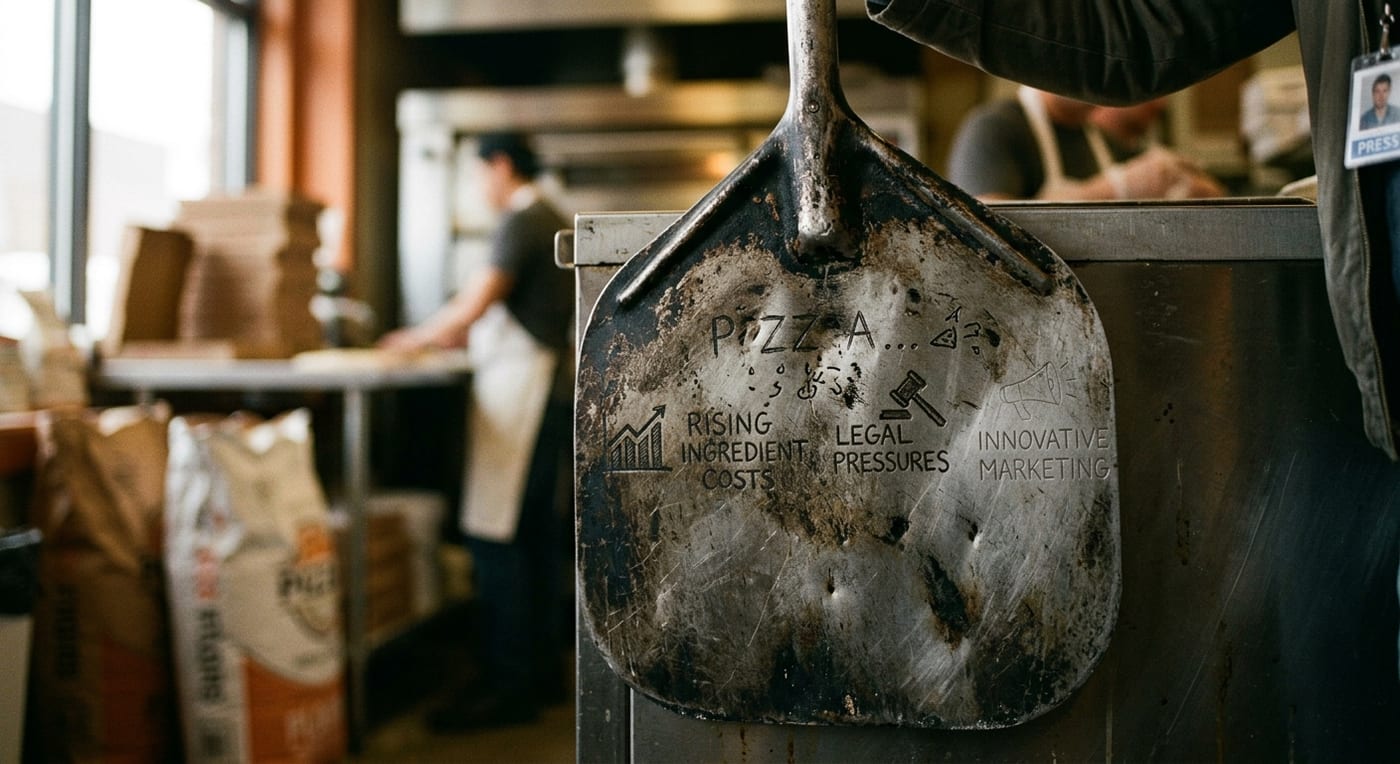
- Rising ingredient costs threaten profit margins.
- Legal pressures complicate investor relations.
- Innovative marketing strategies aim to engage customers.
Papa John's International, Inc. ( PZZA) is currently embroiled in a substantial transformation that is taking longer than expected, alongside significant operational and financial challenges that are affecting its market position. As the pizza chain grapples with rising costs and decreasing sales, it is urgently reshaping its business strategies to stabilize and enhance its competitiveness in a fast-evolving fast-food sector.
The recent economic landscape has been tumultuous for many players in the food service industry, with surging ingredient prices creating a ripple effect that impacts profitability. For Papa John's, core ingredients such as cheese, wheat, and tomatoes have seen notable price increases, which are expected to persist, further straining profit margins. As reported in earlier discussions, the USDA forecasts significant hikes in agricultural production costs, adding pressure to an already struggling business model. This situation reflects broader inflationary trends affecting the entire sector. That backdrop echoes earlier coverage of the issue, especially around how pricing, strategy, and demand feed into the current story.
Rising Ingredient Costs
Rising costs for essential components pose a real and immediate threat to Papa John's. The company is witnessing an uptick in expenses related to key ingredients, driven primarily by inflation within the agricultural sector. This inflationary pressure is not just a concern for Papa John's; it is a widespread challenge for the fast food industry as a whole. According to previous insights, these rising costs require restaurants to adjust their pricing strategies, which can alienate customers if not handled delicately.
Papa John's is at a crossroads where maintaining profit margins amid rising ingredient costs has become increasingly complex. The company is reconsidering its pricing strategy as it grapples with passing costs onto consumers. Customers are already feeling the pinch of inflation, which may result in a demand slowdown. Pricing increases could lead to further diminishing returns if they push customers away. As such, the company's strategic response to these economic pressures will be pivotal for its future performance.
Legal Challenges and Market Perception
In addition to the rising costs of ingredients, Papa John's faces significant legal scrutiny, which has compounded investor sentiments. Recent allegations state that the company and its executives may have misled investors regarding their transformation strategies, claiming they would stabilize and improve growth without revealing adverse conditions. These revelations have sparked a class action lawsuit, which could potentially result in steep financial consequences for the company. Investors are now waking up to the reality of ongoing operational strife coupled with legal challenges, which is further exacerbated by a decline in consumer trust.
As detailed in past articles, recent financial disclosures revealed an 8.3% decrease in North American comparable sales, prompting the suspension of dividends and a drastic reduction in the company's growth outlook. Such declines not only affect stock prices but also severely impact the company’s ability to execute on its operational plans and strategic vision. The stock price fell sharply, indicating a loss of confidence among shareholders and signaling the severity of these challenges.
This pattern of challenges reflects a broader shift in the market and has led investors to question the effectiveness of the company's restructuring efforts. Many are urging shareholders to take action; legal firms have begun to reach out to those who incurred losses during this turbulent period, briefing them about the upcoming January 2027 lead plaintiff deadline in ongoing securities class action lawsuits.
Innovative Marketing Strategies
In response to these pressures, Papa John's is leaning heavily on innovative marketing strategies to attract and retain customers. Partnering with prominent brands like Disney signifies an effort to inject freshness into its marketing campaigns and capitalize on nostalgia and brand loyalty among consumers. As noted previously, these strategies are essential for reviving sales trajectories and re-engaging lost customers.
The focus on creative marketing innovations is crucial, especially considering that customer engagement is at an all-time low. Papa John's needs to ensure that its initiatives resonate with consumers who are becoming more selective in their dining choices amid rising costs and shifting consumer behavior. It is imperative that the brand successfully communicates the value and quality of its offerings to compete effectively in an increasingly crowded market.
Conclusion: Future Outlook and Strategic Importance
As the fast-food landscape evolves, Papa John's must navigate its path with both caution and ambition. Rising ingredient costs, legal adversities, and shifting consumer preferences pose substantial risks to its profitability and market share. However, the pivot towards innovative marketing techniques could potentially reinvigorate consumer interest and drive sales back up. The integration of strategic pricing adjustments while maintaining quality and customer values will be vital for Papa John's stability.
All these factors combine to form a complex tapestry of challenges and opportunities for Papa John's International, Inc. (https://cashumarkets.com/stock/pzza), making the next chapter in their story one of critical importance not only for investors but for the fast-food industry at large. The company's ability to respond to these intertwined issues will ultimately determine its trajectory in the years to come. The same pressure is reflected in recent reporting on the issue, which helps explain why the company's pricing decisions remain under scrutiny.