

Pampa Energía S.A.: Navigating Growth and Challenges
Cashu Finance·5 min read
TL;DR
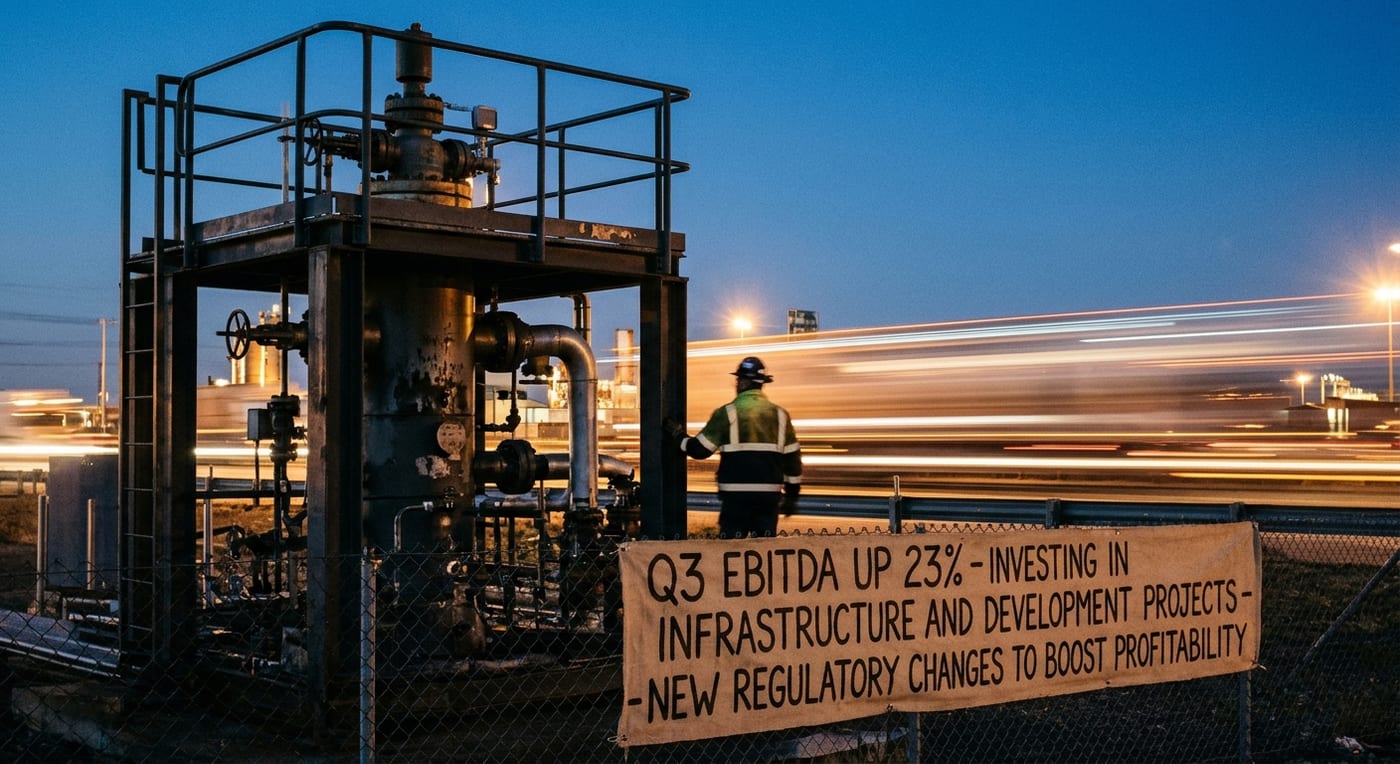
- Pampa Energía reported a 23% increase in Q3 EBITDA.
- The company plans significant investments in infrastructure and development projects.
- New regulatory changes are expected to enhance profitability.
Pampa Energía S.A. (PAM) has demonstrated resilience and growth amid the complexities of the Argentine energy sector, particularly through its third-quarter performance and ongoing strategic initiatives. The company has reported a significant increase in its adjusted EBITDA, achieving $398 million in Q3 2026, up 23% year-over-year, thanks to enhanced power-generation margins and efficient utilization of its own natural gas supply. However, despite these gains, there are concerns stemming from the volatility in crude oil prices and the subsequent impact on thermal dispatch, which have moderated some of the positive outcomes. This article provides an in-depth look at Pampa Energía's latest financial standing, strategic plans, and the macroeconomic factors influencing its operations.
"Pampa Energía S.A. (PAM) has reported its third-quarter results amidst a fluctuating market landscape. The increase in EBITDA, while commendable, points to the company's duality of strengths and vulnerabilities as it positions itself for future growth."
As noted in their recent earnings call, the company saw higher margins from both the spot market and business-to-business (B2B) agreements, reflecting the effectiveness of their operational strategies and the strong demand for energy in Argentina. Management emphasized the role of self-supplied gas in bolstering their financial outcomes, which served as a buffer against weaker crude results. However, the company acknowledged a 4% quarter-over-quarter EBITDA decline due to lower crude inventories and the impact of oil hedging costs.
Stronger Financials Amid Challenges
Pampa's Q3 2026 total sales reached $790 million, representing a 34% increase compared to the previous year. This growth primarily stemmed from the normalization of the Wholesale Electricity Market (WEM), which led to improved spot prices and increased sales through B2B contracts, alongside rising crude oil volumes and stronger pricing in the petrochemical segment. However, the company faced challenges with lower gas deliveries under the Plan Gas Gas Sale Agreement (GSA), highlighting the intricate balance Pampa must maintain within its operations.