

NIKE's Path to Recovery Amidst Challenges
ED
Editorial
Cashu Finance·5 min read
TL;DR
- NIKE's stock has seen a 36% decline amid market pressures.
- Strategic adjustments focus on enhancing brand loyalty and reducing online distribution.
- The FIFA World Cup offers a significant marketing opportunity for NIKE.
NIKE, Inc. (NKE) is drawing attention as the latest developments come into focus. NIKE, Inc. (NKE) is navigating through a tumultuous financial landscape marred by significant market pressures and shifting consumer preferences. As investors brace for a challenging fiscal 2027, marked by considerable stock price declines and disappointing earnings, NIKE's strategic maneuvers could chart a path back to growth. The company's recent efforts focus on enhancing brand loyalty and marketing initiatives, particularly with the impending FIFA World Cup on the horizon.
Recent Financial Performance
The latest financial results reveal sobering realities for NIKE. The company's revenue for the first quarter of fiscal 2027 clocked in at approximately $11.2 billion, signifying a 4% decrease year-over-year. This decline has raised alarms in the investment community regarding NIKE's ability to regain its competitive advantage. Notably, while sales in North America, NIKE's most significant market, recorded just a 2% uptick, the Greater China segment plummeted by 22%. This considerable dip in one of its vital markets highlights a landscape riddled with challenges, further exacerbating NIKE's revenue hurdles. The company has also signaled expectations of a high-single-digit percentage drop in full-year revenue for 2027, a caution that has not gone unnoticed by analysts.
This ongoing downturn is clearer when measuring how these figures relate to historical performance. Over the past year, NIKE's stock has been on a downward trajectory, witnessing a staggering 36% decline. The combination of declining revenues and an increase in operational costs—alongside a need for a revitalized approach—has put added pressure on NIKE executives to rethink their strategic priorities. Addressing these issues will require decisive actions that resonate well within their consumer base and bolster investor confidence.
Strategic Adjustments and Brand Loyalty
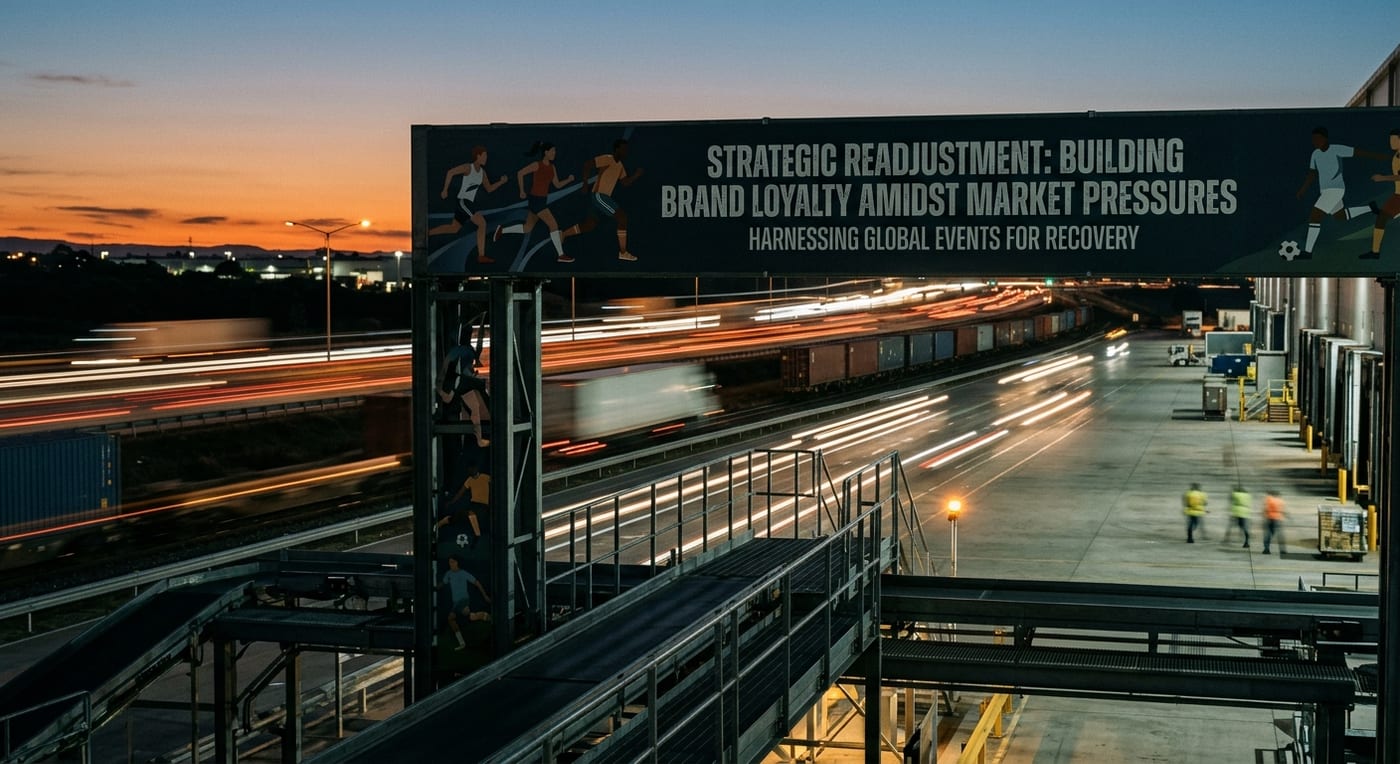
In response to these challenges, NIKE has embarked on a strategy to streamline its distribution approach by reducing its online partners. CEO Elliott Hill has emphasized the importance of brand loyalty in these troubled times, signaling a shift from broad online presence to more curated and impactful consumer engagements. This pivot aligns with the company's realization that eliminating less effective online channels could help forge stronger connections with devoted customers while enhancing brand consistency.
In discussing this strategic shift, NIKE's efforts echo sentiments laid out in a previous analysis that highlighted reducing distributors to bolster brand loyalty as a vital component of its turnaround plan. This approach not only aims to solidify the existing customer base but also nurtures a sense of connection that can lead to regained confidence among NIKE's consumers. As the company navigates through difficult market conditions, these brand-focused strategies may very well play a pivotal role in its recovery roadmap.
The FIFA World Cup: A Marketing Opportunity
As part of its revival strategy, NIKE is positioning itself to capitalize on the upcoming FIFA World Cup. Scheduled to occur in late 2026, the event presents a significant marketing opportunity that could strategically align with NIKE's efforts to revive its brand presence. Volleyball, a historically significant sport for NIKE, will feature increased marketing campaigns designed to engage fans and boost brand visibility on a global scale.
The World Cup has the potential to ignite excitement among consumers, rekindling associations with the NIKE brand that align with athletic excellence and global unity. This strategic marketing undertaking is not only timely but necessary; as NIKE aims to restore its reputation and increase brand engagement, the World Cup offers a platform of unparalleled reach and exposure. Prior engagements around major global sporting events have proven fruitful for the company in the past, which is likely why NIKE is keen to reclaim its position at the forefront of consumers’ minds.
Competitive Landscape and Future Outlook
In addition to internal strategies, NIKE continues to contend with fierce competition from brands like Adidas and Under Armour. Such competition places added pressure on NIKE to innovate and capture market share. Furthermore, with a stock price that has reflected continuous downward trends—41.7% down this year and a staggering 76.5% over five years—investors are left pondering the company’s strategy amid deeper market challenges.
While the direct-to-consumer approach aimed to foster loyalty initially, NIKE must adapt to rapidly evolving consumer trends. The competition's advancements, particularly in innovation and product diversification, underline the importance of NIKE's commitment to reinvigorating its core product lines while appealing to shifting consumer behavior. The strategic reduction of online distributors is part of this need for adaptation, reducing reliance on fragmented sales channels that have historically diluted brand strength.
Conclusion: Navigating Through Turbulent Waters
As NIKE navigates these turbulent waters, the company's ability to reestablish itself as a favorite among consumers and regain investor confidence hinges on executing its outlined strategies effectively. The combination of cutting down on online distributors, seizing marketing opportunities surrounding the FIFA World Cup, and reaffirming its brand loyalty stance will determine its long-term viability. As the fiscal landscape presents ongoing uncertainties, NIKE must rally its resources and innovations to recover from significant downward trends.
The developments in NIKE's recovery journey will be crucial for investors watching closely for signs of progress amidst challenges that have punctured its once-unstoppable growth. The same pressure is reflected in recent reporting on the issue, which helps explain why the company's pricing decisions remain under scrutiny.