

Nike's Path to Market Resurgence
ED
Editorial
Cashu Finance·5 min read
TL;DR
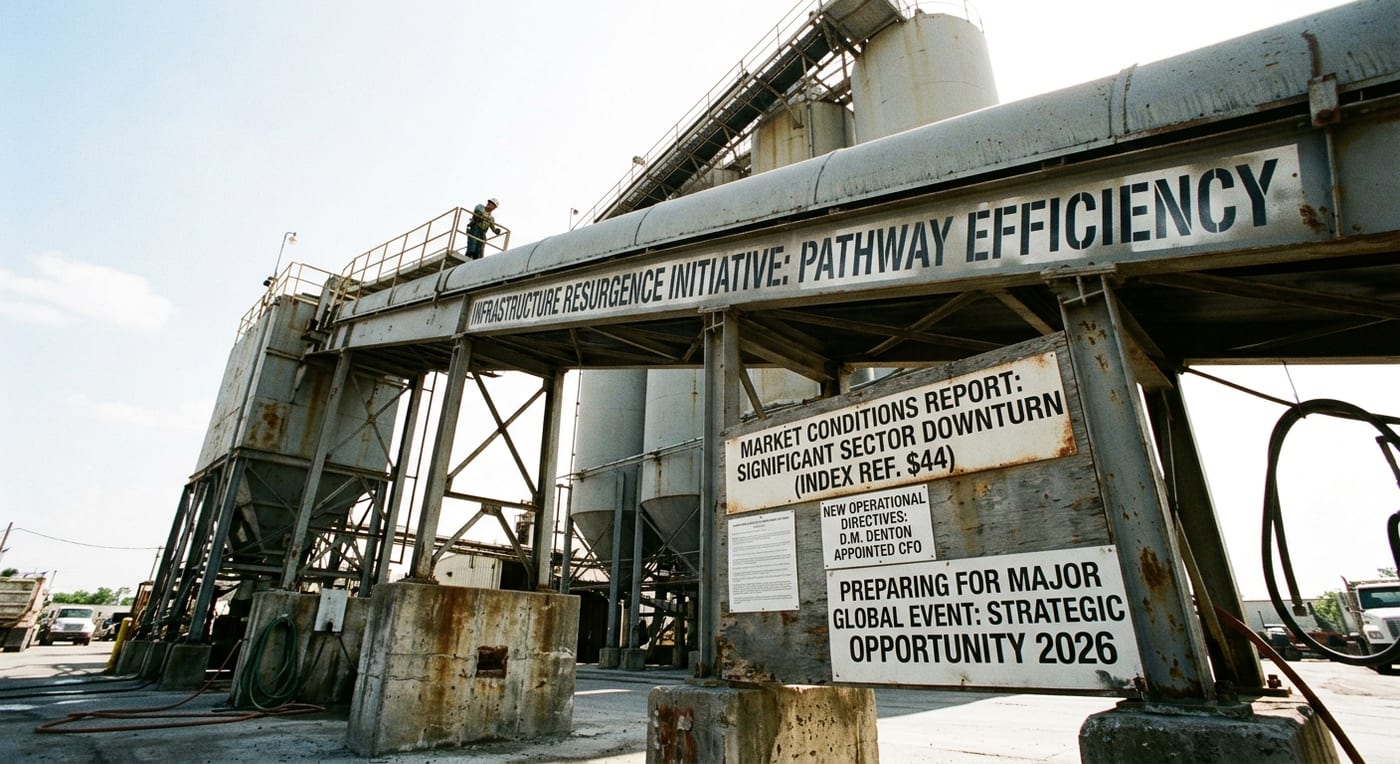
- Nike's stock faces significant downturn, trading around $44.
- Appointment of David M. Denton as CFO aims to boost operational efficiency.
- The upcoming 2026 FIFA World Cup offers a strategic marketing opportunity for growth.
NIKE, Inc. ( NKE) has been navigating an increasingly complex financial landscape, marked by declining revenues and strategic pivots in response to market pressures. Recently, the iconic sportswear company experienced a sizable drop in stock prices, with shares trading around $44, significantly down from a 52-week high of over $80. As it embarks on a critical path toward recovery, Nike's focus on innovation, operational changes, and maximization of key events like the 2026 FIFA World Cup is shaping its strategy. This article delves into the challenges and opportunities presented to NIKE, examining its recent business decisions, financial health, and investor sentiments.
Recent Financial Performance
The turbulent macroeconomic conditions have taken a toll on Nike's performance, amplifying investor concerns. In recent reports, Nike's revenues dropped by about 10% in fiscal 2025, with growth stagnating in fiscal 2026, projecting just 0.2% increase year-over-year. Notably, the disappointing figures from Greater China—once a critical growth market—highlight the difficulty in consumer confidence and purchasing behavior. Analysts have expressed doubt about the sustainability of the company's growth amidst intense competition in the athletic wear sector.
Despite these challenges, Nike recently announced revenue for the fourth quarter reaching $10.97 billion, surpassing expectations. However, the overall market remains cautious. The company's effective recovery hinges on its strategies to engage consumers directly, with attention focused on revamping its product lines and enhancing marketing efforts to reconnect with key demographics. This includes the integration of innovative footwear models aimed at bolstering demand in a competitive retail climate, as reported in an earlier analysis of Nike's earnings results.
Strategic Innovations and New Appointments
In an effort to combat challenges, Nike has implemented a renewed focus on strategic innovation. Part of this shift includes David M. Denton's recent appointment as CFO, effective August 2026. His significant financial expertise from roles at Pfizer and Lowe's positions him well to lead Nike through its operational reset and drive improvements in profitability. The company aims not only to enhance the efficiency of its operations but also to restore investor confidence following a series of disappointing financial outcomes.
Denton's leadership is expected to underscore Nike's efforts in maximizing direct-to-consumer sales, moving away from reliance on wholesale distribution to improve margins. As noted in an earlier article, Nike's operational strategies reflect the company's move to tap into established retail networks while enhancing its brand visibility through high-profile marketing campaigns, especially leading up to the World Cup.
Leveraging Global Events for Growth
The upcoming 2026 FIFA World Cup presents a unique opportunity for Nike to showcase its product line and reconnect with its customer base. The campaign, titled "Rip the Script," is designed to leverage the visibility and excitement surrounding the event to engage a broader audience, including younger consumers and sports enthusiasts. This marks a significant component of Nike's strategy to reestablish its cultural relevance and brand power in sports.
By strategically aligning with globally recognized athletes and influencers, Nike aims to attract diverse demographics, potentially reshaping demand dynamics and pricing power. As the article detailing Nike's new sponsorship victories indicates, these initiatives could play a pivotal role in a gradual comeback for the brand.
Experimental Marketing and Consumer Engagement
Alongside its performance efforts, Nike is also embracing experimental marketing to build consumer engagement. The brand is focused on appealing to both sports enthusiasts and broader demographics, effectively expanding its reach. This entails not only revamping its marketing strategies but also enhancing the consumer experience through innovative product offerings, particularly within the footwear segment.
Nike's leadership recognizes that engaging younger athletes is essential to reviving demand. By re-establishing connections with key college programs and sports leagues, the company can strengthen its foothold in competitive environments. This evolution in strategy is essential as consumers gradually return to brick-and-mortar shopping and explore unique, curated experiences.
Investor Sentiment and Future Outlook
Investor outlook on Nike remains mixed, balancing optimism against caution due to the company's recent performance trends. With shares hovering around $44, analysts underscore the importance of monitoring revenue growth, particularly in high-margin direct-to-consumer channels. Nike's ability to recover lost market confidence and enhance brand loyalty will be crucial in determining its future trajectory.
Despite current stock challenges, Nike's robust brand equity, commitment to innovation, and substantial investment in marketing initiatives provide a foundation for potential returns. The stock's valuation currently paints a picture of an undervalued asset, offering a comparative analysis against indices like the S&P 500, which has outperformed Nike significantly.
Conclusion
In conclusion, NIKE, Inc. ( NKE) is at a pivotal juncture as it strives to navigate through a variety of challenges while seizing opportunities in the athletic footwear market. With strategic innovations, operational enhancements, and a reinvigorated marketing approach, Nike aims to reclaim its market leadership and drive sustainable growth. The successful execution of these strategies will ultimately influence its performance and the confidence restored among investors in the months to come. The same pressure is reflected in recent reporting on the issue, which helps explain why the company's pricing decisions remain under scrutiny.