

NIKE's Journey to Recovery
ED
Editorial
Cashu Finance·5 min read
TL;DR
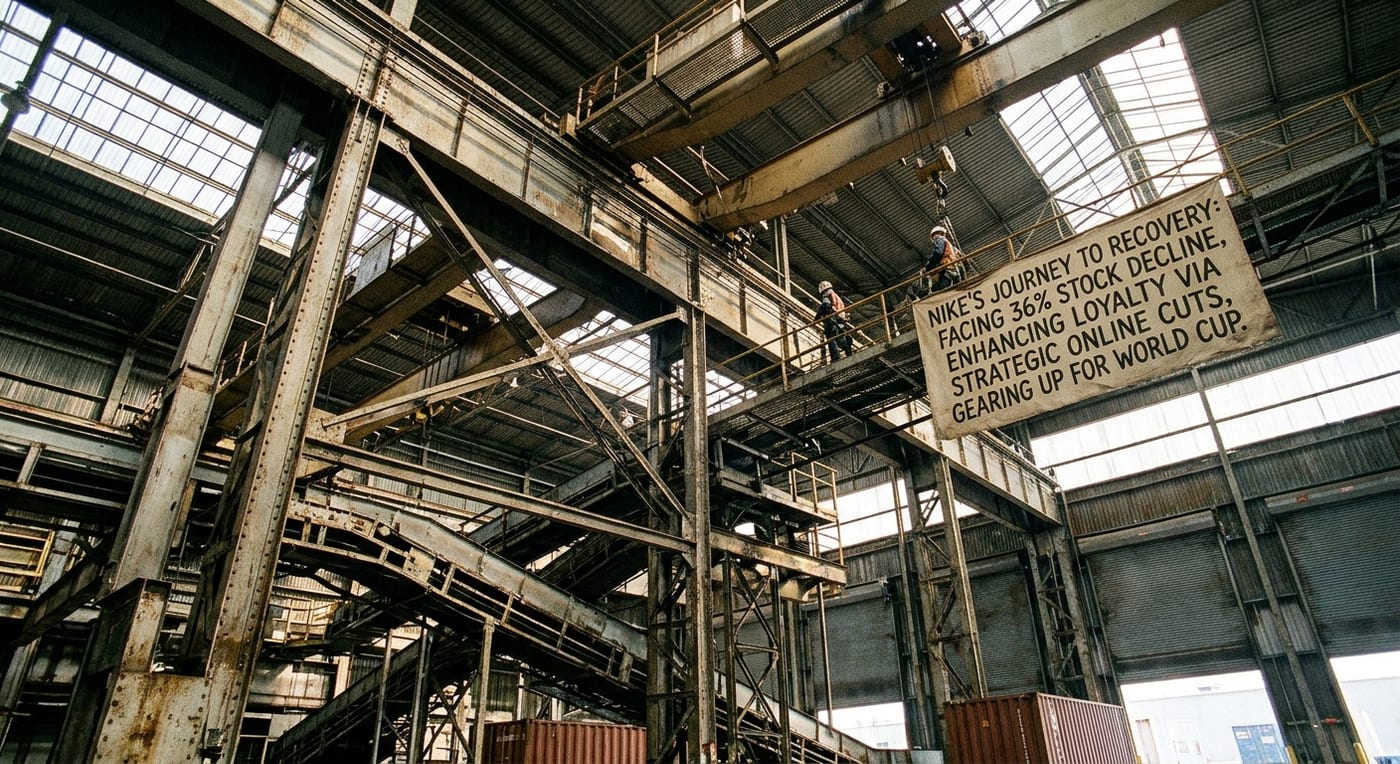
- NIKE faces a 36% stock decline amidst market pressures.
- Strategic reductions in online distribution aim to enhance loyalty.
- The upcoming FIFA World Cup offers significant marketing opportunities.
NIKE, Inc. (NKE) is drawing attention as the latest developments come into focus. NIKE, Inc. (NKE) is drawing attention as it navigates a challenging financial landscape, marked by declining revenues and strategic pivots aimed at regaining its competitive edge in the global sportswear market. In recent months, NIKE has faced significant pressures, including a staggering 36% drop in stock value and a need for innovation to rekindle consumer enthusiasm. The company's first-quarter earnings for fiscal 2027 reported a 4% year-over-year revenue decline, raising alarms among investors about its ability to recover. This article explores NIKE's financial health, strategic changes, and the pivotal opportunities presented by upcoming global events like the FIFA World Cup.
Financial Performance Overview
The latest financial indicators for NIKE paint a sobering picture, raising concerns about the company's future direction. For the first quarter of fiscal 2027, NIKE reported revenues of approximately $11.2 billion, reflecting a significant 4% decrease from the previous year. Meanwhile, net income slipped by 2% to $712 million. These developments signal an alarming trend, which has left investors questioning the company's growth prospects.
An essential aspect of NIKE's revenue performance is its highly competitive North American market, which saw only a modest 2% increase in sales. In contrast, the company's Greater China segment reported a staggering 22% decline to $1.1 billion. These contrasting performances highlight major regional challenges faced by NIKE as it attempts to stabilize amidst a shifting consumer landscape. The decrease in the Greater China market, critical for NIKE's international growth strategy, underscores the urgent need for a robust turnaround plan.
Strategic Turbulence and Restructuring
NIKE's challenges have prompted the company's leadership, notably CEO Elliott Hill, to rethink its operational strategies. In light of declining revenues, the company is focusing on rejuvenating its brand and appealing to a broader customer base. This effort includes a strategic reduction in online distribution channels, which NIKE believes will enhance brand loyalty and strengthen connections with consumers.
The decision to pivot away from a wholesale-dependent model aims to allow NIKE to reclaim creativity and innovation in its products. Historically, NIKE has faced criticisms that it has stagnated under the weight of fierce competition from brands like On Holding, which have disrupted the sportswear sector. In an environment where consumer preferences are shifting, NIKE's ability to innovate and respond is paramount to its recovery. This strategic shift is expected to evolve and align better with consumer expectations as highlighted in a recent analysis emphasizing the importance of creativity in sportswear.
For NIKE, fostering direct relationships with customers while capitalizing on innovations will be vital to regain market leadership. The successful execution of this strategy could help boost sales and margins, which have taken a hit in recent years.
Opportunities and Challenges Ahead
Amidst these financial struggles and strategic shifts, a significant opportunity looms on the horizon — the FIFA World Cup. This high-profile event presents a unique marketing venue for NIKE to reignite brand engagement and visibility across the globe. Historical precedents indicate that globally recognized sporting events can provide an excellent platform for rapid brand awareness and sales growth.
In anticipation of the World Cup, NIKE is gearing up for an extensive marketing campaign aimed at capturing the attention of soccer fans worldwide. The alignment of NIKE's creative initiatives with such events could catalyze a resurgence in consumer interest, essential for boosting sales in the critically underperforming markets.
Investor relations may also hinge upon how the brand capitalizes on upcoming events while ensuring stability in its operations. Although NIKE's leadership remains optimistic about its prospects, ongoing pressures such as inflation and fluctuating demand will need to be addressed proactively to ensure the brand strengthens its market position effectively.
The Dividend Dilemma
NIKE's financial structure also raises questions regarding its dividend strategy. As a company known for its shareholder commitment, NIKE has increased its dividend for 24 consecutive years. However, with the increase in pressures over recent quarters, some analysts are expressing caution about the sustainability of these payouts. The stock's declining revenue could challenge management's commitment to maintaining the dividend, especially as earnings forecasts indicate potential underperformance in the near future.
In a recent financial report, NIKE's management reiterated its commitment to dividends, aiming to grow them despite current challenges. This suggests a delicate balance between distributing cash to investors and ensuring necessary investments into the company's strategic turnaround plan. A cautious approach will be essential as the team aims to manage cash effectively while fostering future growth.
Conclusion
NIKE, Inc. is at a crossroads characterized by pivotal decisions that will shape its trajectory in the coming years. While the first quarter of fiscal 2027 presents challenges, the brand's focus on innovation, strategic realignment, and leveraging global events like the FIFA World Cup presents opportunities for recovery. As the company works tirelessly to enhance its brand, improve margins, and regain the confidence of investors, the eyes of the financial world will remain fixated on NIKE and its path forward. The same pressure is reflected in recent reporting on the issue, which helps explain why the company's pricing decisions remain under scrutiny.