

Navigating the Future of SpaceX
ED
Editorial
Cashu Finance·5 min read
TL;DR
- SpaceX’s IPO raised approximately $85 billion, leading to high expectations.
- Starship missions are pivotal for future growth and stock performance.
- Starlink is critical for short-term profitability amid operational challenges.
Space Exploration Technologies Corp. (SPCX) has recently reached a critical inflection point following its historic IPO in June 2026, which raised approximately $85 billion. As the aerospace industry grapples with ongoing challenges, SpaceX stands at the forefront of innovation with ambitious plans that promise to reshape both the space and artificial intelligence sectors.
The IPO: A Monumental Milestone
The excitement surrounding SpaceX’s IPO was palpable. Shares debuted at $150 and peaked at approximately $226 within days, reflecting investor enthusiasm for the future. However, this initial excitement waned, and the stock has experienced significant volatility since, settling much lower than its peak. Investors are now focusing on whether the promising elements of SpaceX's business model can ultimately justify the steep share prices projected.
The Challenge of Volatility
Following the IPO, the stock's performance mirrored the typical volatility associated with high-profile tech ventures. Investors have shown a mix of optimism and skepticism about the long-term viability of SpaceX’s diverse revenue streams, including its ventures into both space travel and AI applications. After the initial surge, the stock’s fall has led to questions about its ability to sustain investor confidence.
How Starship Affects SpaceX's Trajectory
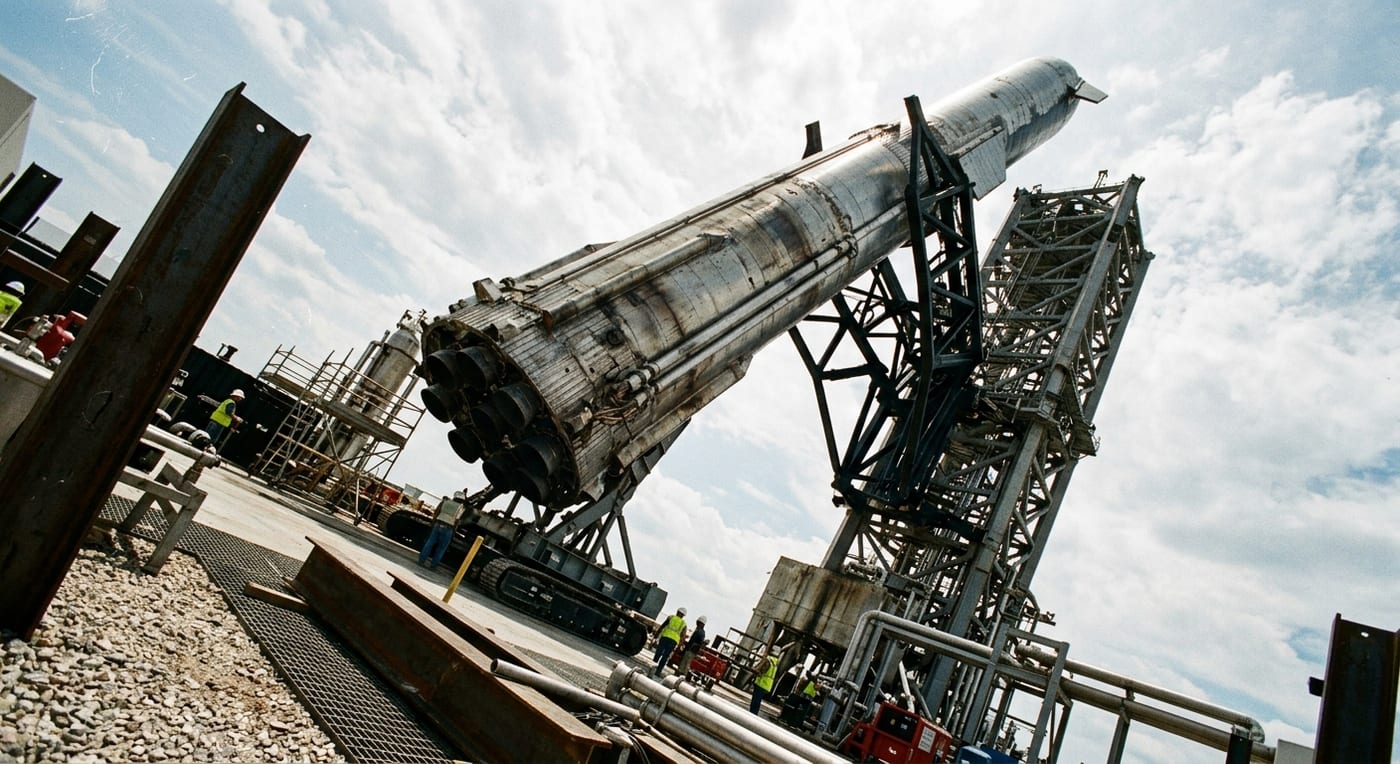
A centerpiece of SpaceX’s ambitious strategy is the upcoming Starship missions, which are seen as pivotal not only for the company’s operational plans but also for the overall investor outlook. Analysts predict that the successful launch of Starship could serve as a significant positive catalyst leading to increased contracts and higher share prices. The anticipation surrounding Starship underscores the company's critical need to demonstrate progress to bolster market confidence.
Revenue Streams and Their Importance
SpaceX is not merely focused on aerospace; it's also heavily invested in artificial intelligence. The convergence of these two domains may yield strategies that enhance both profitability and market position. SpaceX has significantly expanded its AI operations following the acquisition of firms like xAI and Cursor, which it plans to leverage to enhance its computing services. Revenue from AI operations is expected to grow, particularly through cloud computing and data services, which analysts view as potentially lucrative segments moving forward.
Moreover, the success of SpaceX’s Starlink division, which provides satellite internet services, is crucial for short-term profitability. Starlink had generated $1.7 billion in profit, a stark contrast to the losses recorded across other divisions, reaffirming its position as the company’s cash cow. These earnings could potentially fund expansive growth initiatives in other areas, thus enabling SpaceX to navigate its way out of predicted cash flow constraints.
AI As a Revenue Powerhouse
The rapid growth of AI applications presents a unique opportunity for SpaceX. The company's investments in AI not only diversify its revenue but also promise to place it at the forefront of the rapidly evolving tech landscape. Morgan Stanley analysts have highlighted future AI product releases as a catalyst for stock growth, hypothesizing that the stock is currently undervalued in light of the company's ambitious targets in this sector.
Starlink, however, remains central to the company’s near-term financial health. Analysts project the potential for Starlink to solidify SpaceX’s financial future, as it already commands a solid customer base, bolstered by new user acquisitions and international expansion endeavors. Increased demand for satellite-based internet services, combined with strategic price adjustments, could fundamentally enhance Starlink's EVA, thereby impacting SpaceX's bottom line positively.
Operational Challenges Amidst Growth
Despite the promising prospects, SpaceX faces headwinds that could complicate its growth strategy. High capital expenditures, approximately $28.5 billion in just the first half of 2026, are attributed largely to its AI initiatives and infrastructure improvements. As the company scales these operations, financial strain could emerge, delaying profitability across sectors and exacerbating stock price volatility.
The fluctuation in stock prices can largely be attributed to investors' reassessments of risk and reward in a volatile market, especially concerning a company that requires massive amounts of capital for ongoing technology developments. There is an inherent tension between expected revenue from space and AI ventures and the investments needed to get there. Investors are advised to pay attention to upcoming reports which could shed light on the profitability of these ventures against their operational costs.
Looking Ahead: Stock Valuation and Market Sentiment
Currently, the average price target for SpaceX stock is set at $223, indicating substantial anticipated growth. However, this expectation must be tempered with the understanding that achieving projected revenue metrics, specifically Elon Musk’s ambitious goal of $1 trillion revenue by 2030, presents considerable operational risks and challenges. The current market skepticism is largely reflective of these challenges, echoed by analysts who believe that near-term performance may not meet high investor expectations.
Conclusion
In conclusion, Space Exploration Technologies Corp. (SPCX) is navigating a complex path following a successful IPO that generated substantial capital. With ambitious undertakings in aerospace and AI, the company must balance its growth aspirations with operational realities to maintain investor confidence and market valuation. The coming months will be critical; successful forthcoming Starship tests, AI developments, and Starlink expansions will provide necessary insights into the company's ability to thrive moving forward.