

Micron Technology's Unprecedented Growth Momentum
ED
Editorial
Cashu Finance·4 min read
TL;DR
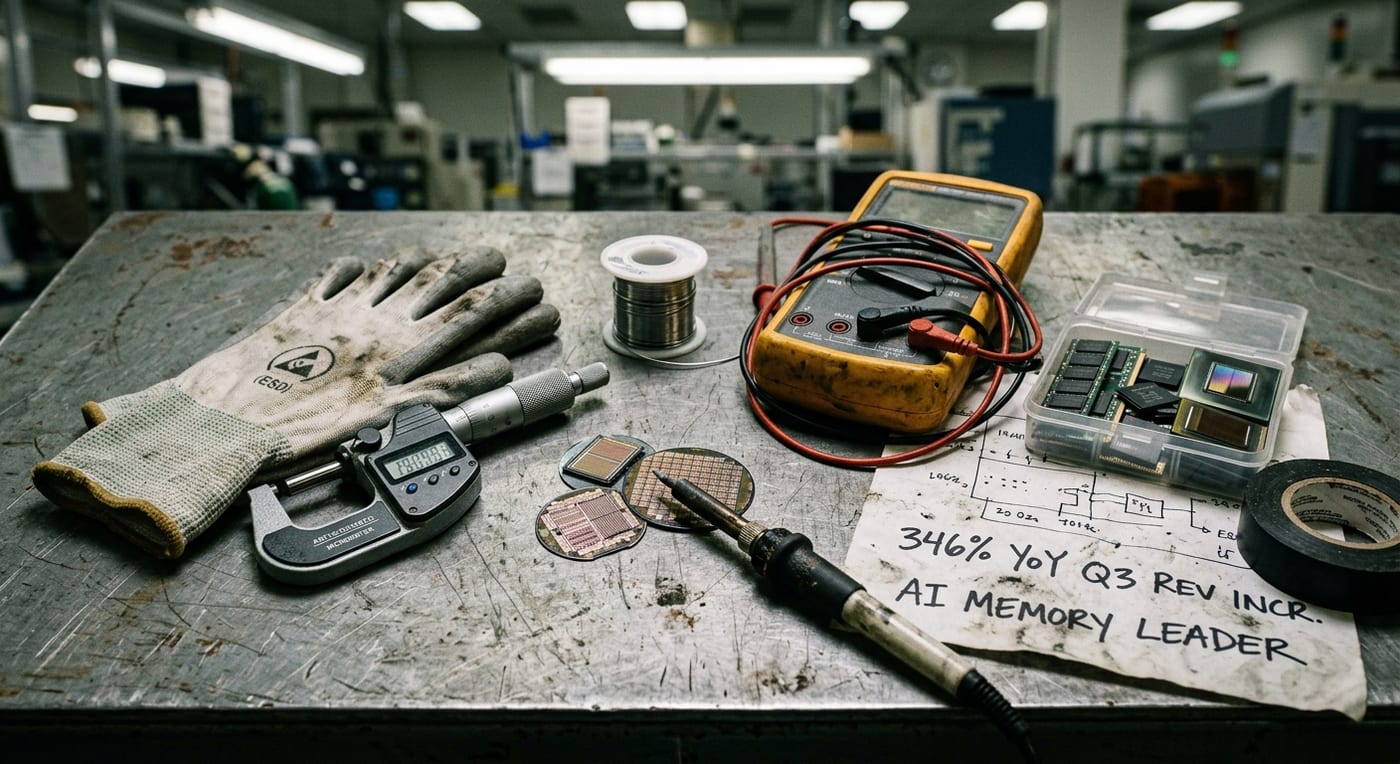
- Micron reports 346% YoY revenue increase in Q3 2026.
- Strategic investments position Micron as a leader in AI memory solutions.
- Competitive landscape intensifies with emerging players and tight supply chains.
Micron Technology, Inc. (MU) is drawing attention as the latest developments come into focus. Micron Technology, Inc. (MU) is currently navigating a transformative phase within the semiconductor industry, characterized by a dramatic surge in demand for memory products driven primarily by advancements in artificial intelligence (AI). With a remarkable fiscal Q3 2026 report under its belt, showcasing revenues reaching approximately $41.5 billion—a staggering 346% increase year-over-year—Micron’s positioning reflects not only its operational competency but also the burgeoning opportunities within a tightly contested market. This article will explore Micron's financial achievements, dissect competitive pressures, and assess opportunities amid a landscape shaped by AI-driven demand and tight supply chains.
Stellar Financial Performance
In its latest fiscal report, Micron demonstrated extraordinary financial health, bolstered by soaring global demand for its products, particularly DRAM and NAND flash memory, which are pivotal in contemporary AI applications. The company has capitalized on a burgeoning market for memory solutions, which are crucial for data centers and sophisticated AI workloads. Notably, revenues from DRAM products skyrocketed from $7.1 billion the previous year to nearly $31.3 billion, cementing Micron's critical role in the semiconductor market. This level of growth not only underscores the immediate fiscal success of the company but also highlights the substantial demand pressure across the tech landscape.
The impressive surge in Micron's revenues can also be attributed to a favorable pricing environment currently characterized by heightened competition amongst major players like Samsung and SK Hynix. As highlighted in a previous report, Micron's strategic focus on high-bandwidth memory (HBM) has allowed it to navigate supply constraints effectively. The dynamics of supply and demand are further influenced by Nvidia's recent guidance, which underscored the critical role of memory as a bottleneck in AI infrastructure development. Nvidia's Chief Financial Officer, Colette Kress, emphasized that increasing memory prices are a strategic constraint for their operations, with unprecedented spending planned to secure future memory requirements. This situation favours Micron, which is well-positioned within the memory supply chain.
Navigating Competitive Pressures
While Micron's financial results paint a picture of growth, they also call attention to existential challenges posed by growing competition. Emerging competitors, particularly CXMT, are beginning to penetrate the market, which may exert downward pressure on margins. Additionally, with AI applications continuously evolving, the overall memory product landscape is becoming increasingly competitive. Micron's strategic moves, including substantial investments in research and development totaling $10 billion, serve as a proactive approach to maintain a competitive edge in the escalating battle for market share.
Moreover, the landscape is tempered by some macroeconomic factors, including potential labor disputes and geopolitical tensions that could disrupt supply chains. A cautionary note must be made regarding the possible impacts of labor negotiations in Taiwan on operational stability and production output. Such challenges necessitate diligent strategic management to mitigate risks while pursuing aggressive growth.
Future Outlook and Strategic Growth
Micron's continued investment in high-end memory technologies further solidifies its stature within the industry, particularly as it responds to the demands of AI and data analytics. The company's emphasis on enhancing its product offerings and capacity for HBM—critical for powering AI systems—aligns perfectly with the ongoing surge in AI workloads and hyperscaling of cloud technologies.
Nvidia's expansive commitment to memory procurement, amounting to $279 billion, serves as a testament to the insatiable appetite for memory solutions within the AI domain, as noted in an analysis comparing Micron to Sandisk. Micron stands out as a critical supplier in this context, with its role as both a HBM manufacturer and a top-tier DRAM vendor allowing it to benefit from the AI memory supercycle. As companies explore new avenues for AI implementations, the memory products supplied by Micron will be of paramount importance, positioning the company for sustained demand well into the future.
Conclusion: Strategic Positioning in a Dynamic Market
In conclusion, Micron Technology, Inc. (MU) is at a pivotal juncture as it leverages unprecedented growth in memory product demand, primarily driven by advancements in AI. While competition intensifies and external pressures loom, Micron's strategic investments and robust financial performance provide a foundation for navigating challenges effectively. Investors and industry stakeholders will closely watch the company’s developments as it continues to capitalize on the substantial opportunities within the AI memory market landscape. With expectations for continued performance improvement and valuation adjustments, Micron appears poised to maintain its leading role in the semiconductor landscape, provided it can adeptly manage the competitive and operational intricacies inherent in this fast-paced environment. The same pressure is reflected in recent reporting on the issue, which helps explain why the company's pricing decisions remain under scrutiny.