

Meta's Strategic Shift Towards AI Innovations
ED
Editorial
Cashu Finance·5 min read
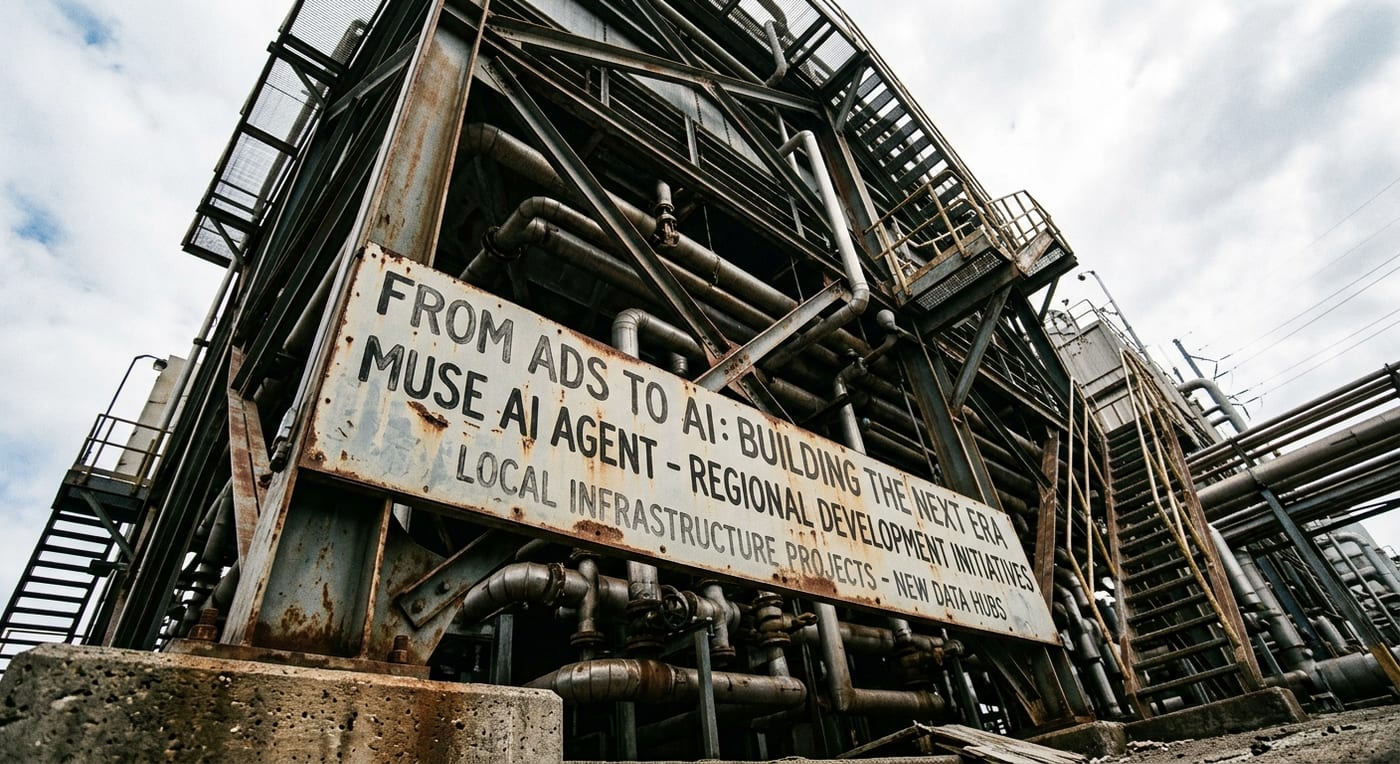
TL;DR
- Meta pivots from traditional advertising to AI solutions.
- Launch of the Muse personal AI agent indicates a future-oriented strategy.
- Local economies benefit from Meta's data center developments.
Meta Platforms, Inc. ( META) is navigating a transformative period as it evolves from a robust advertising-centered model into an innovative landscape primarily powered by artificial intelligence (AI). The necessity for this shift has become increasingly apparent amid mounting regulatory pressures and a rapidly changing market environment. This article will explore the various facets of Meta's strategic evolution, focusing on its new AI initiatives, the implications for its advertising revenue, and the socio-economic impact of its data centers.
Understanding the Shift to AI
The pivot towards AI is not merely a strategic choice, but a necessary response to current challenges facing Meta. Historically, the company's revenue stream has relied heavily on advertising, which contributed nearly 98% to its total income in recent times. However, as Meta contends with significant regulatory scrutiny—most notably a recent $18 billion settlement regarding youth safety concerns—the need to diversify its revenue streams has become critical. This shift reflects an understanding that the future of Meta may well depend on its ability to leverage AI technologies effectively.
A key component of this transition is the introduction of the Muse personal AI agent application, which aims to assist users with tasks ranging from scheduling to enhancing home security. By targeting both free and premium subscribers, Meta is investing in a new lifetime revenue model that could mitigate the downturns attributed to declines in advertising income. Mark Zuckerberg, the CEO of Meta, has emphasized that such innovations are foundational for the company's future, as they strategically seek to reduce their reliance on advertising—an arena increasingly fraught with legal challenges.
Legal Challenges and Market Realities
The legal environment within which Meta operates has become increasingly complex. Various lawsuits and regulatory inquiries into the impact of its platforms on user well-being, particularly among youth, have intensified. This scrutiny has amplified the urgency behind Meta's diversification strategy. The discussion surrounding AI safety, particularly after the insights shared by Zuckerberg, highlights a more vigilant approach to product development. As he noted, “We delayed shipping our Muse AI technologies... because it was clearly the right thing for people and for us.” The commitment to AI safety reinforces that the tech landscape is evolving, and companies that prioritize ethical development are likely to be favored in both regulatory frameworks and consumer perceptions.
Additionally, the anticipation surrounding the Muse AI application ties into broader trends affecting Meta's business model. As detailed in earlier analyses, transitioning into AI applications not only opens up new revenue avenues but also represents an adaptation to changing consumer preferences and regulatory landscapes. This aligns with findings from previous discussions on how Meta's AI pivot aims to sustain and enhance its market position amidst intense scrutiny.
The Launch of Muse AI and Its Implications
The Muse application is designed to be more than a simple assistant; it represents an integral part of Meta's future products, underlining the belief that AI-driven functionalities can enhance user engagement significantly. By offering features for both free and paid users, priced at $20 or $100 depending on the service, Meta is experimenting with monetization strategies that could redefine the user experience. The company is essentially betting on AI as a central pillar of customer relationship management, which can potentially yield an ongoing revenue stream that is less volatile than advertising.
As Meta explores the market for new AI-driven tools, it is important to consider the economic implications of its investments, particularly with its recent expansions in AI data centers. The development of its new data center in Louisiana has had a ripple effect on the local economy, spurring growth in real estate and local businesses. For instance, as reported by a local real estate entrepreneur, the establishment of a Meta data center has created a demand for housing, leading to a notable increase in rental prices and commercial opportunities in the area.
Economic Ripple Effects of Data Center Investments
With the construction of Meta's data center in Holly Ridge, Louisiana, the local housing market is experiencing a transformative impact. The demand generated by construction workers and tech professionals has dramatically increased rental prices and housing demand. This development signifies a shift that goes beyond Meta itself, indicating how large tech initiatives can rejuvenate local economies and create new job opportunities.
The influx of workers into the area has led to a growing need for various services, from housing to transportation, thus revitalizing the community's economic landscape. With stories emerging from property owners about fulfilling housing needs for Meta's employees, it is evident that Meta's presence is catalyzing a broader socioeconomic shift, creating a win-win scenario for both the company and the local residents.
Conclusion: The Path Forward for Meta
As Meta Platforms, Inc. transitions towards AI-powered innovations and restructures its business strategy, the path is marked by both promising opportunities and formidable challenges. The integration of advanced technologies like Muse reflects a concerted effort to diversify from traditional advertising reliance. Coupled with ongoing legal scrutiny, these innovations are not just strategic necessities but pivotal steps in redefining Meta's identity.
Ultimately, while the company faces substantial hurdles in navigating its legal challenges, it stands at the threshold of potentially unprecedented growth trajectories grounded in AI. The landscape ahead may be daunting, but for Meta Platforms, Inc., embracing technological evolution is not just about survival—it's about seizing the future. The same pressure is reflected in recent reporting on the issue, which helps explain why the company's pricing decisions remain under scrutiny.