

Lululemon's Path to Recovery
ED
Editorial
Cashu Finance·5 min read
TL;DR
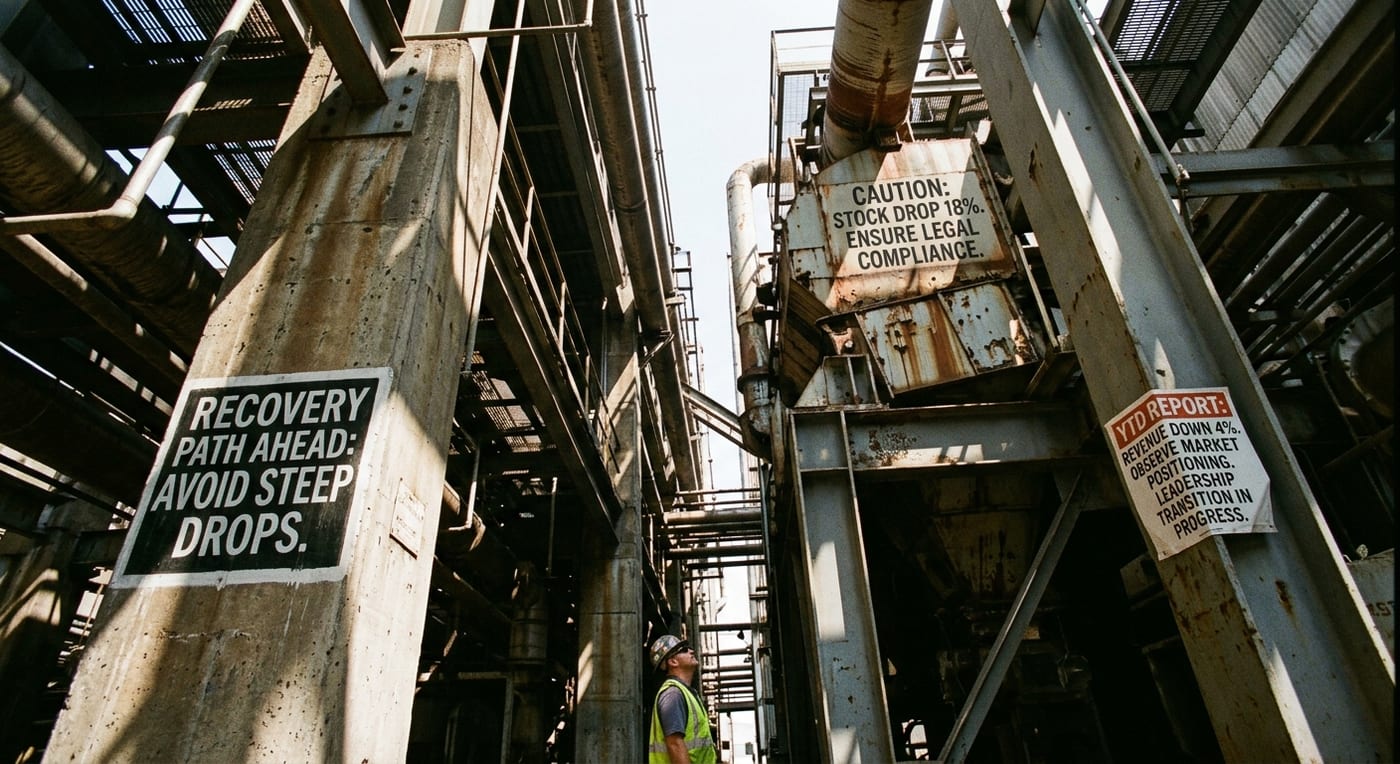
- Lululemon's revenue fell 4% year-over-year, leading to an 18% stock drop.
- Incoming CEO Heidi O’Neill seeks to revive the struggling brand.
- Legal challenges may further complicate Lululemon's market positioning.
Lululemon Athletica Inc. (LULU) is drawing attention as the latest developments come into focus. Lululemon Athletica Inc. (LULU) is currently at a pivotal moment in its business trajectory, facing numerous challenges that have not only impacted its brand perception but have also led to a significant decline in its stock value. Following the release of its latest fiscal Q2 earnings report, which revealed a disappointing 4% drop in revenue year-over-year, investors have become increasingly anxious about the company's future. This decline in revenue vis-à-vis analysts’ expectations, along with a staggering 9% decrease in comparable sales, underscores a critical need for strategic realignment within the company.
The recent financial results have amplified the scrutiny on Lululemon, particularly regarding its competitiveness within the crowded athleisure market. The company's stock saw a dramatic plunge of nearly 18% immediately following the earnings release, highlighting the urgent concerns that shareholders harbor regarding Lululemon's business model and overall growth strategy. In a sector where innovation and consumer engagement are crucial, Lululemon's challenges have raised serious questions about its ability to recover and thrive amidst mounting operational pressures.
Financial Disappointment and Market Reactions
Lululemon's fiscal woes are vividly illustrated by the numbers reported on September 3, 2026. Total revenue reached $2.42 billion but fell short compared to analyst projections of $2.46 billion. This revenue shortfall is particularly alarming when viewed alongside the 9% decline in comparable sales that has left investors grappling with the firm’s declining market entrance. In fact, comparable sales dipped to 10% globally, with North America—its vital market—reporting an 8% revenue decrease along with a comparable sales decline of 12%.
The negative market reaction was severe, causing Lululemon’s shares to plummet post-announcement, marking a new 52-week low. What exacerbates these financial setbacks is the company’s forecasted 10% to 11% decline in revenue for the ensuing third fiscal quarter, indicating that the crisis may persist into the near future. Investors are left questioning whether Lululemon is nearing the bottom or if further declines are imminent as it struggles to recapture consumer interest and stabilize its operations.
In light of these disappointing earnings, conversations about restructuring have gained momentum, particularly as a new leadership team takes charge. Heidi O’Neill, a former Nike executive who has recently stepped in as CEO, faces an uphill battle to not only reinvent product offerings but also rejuvenate the brand's image. Her arrival might signal a much-needed shift in corporate strategy, especially as Lululemon prepares to pivot its focus toward growth initiatives designed for long-term sustainability.
Legal and Reputational Challenges
In addition to the financial turmoil, Lululemon faces ongoing legal issues stemming from a consumer protection lawsuit related to pricing increases that occurred during tariff enforcement periods. This lawsuit further muddies the waters for Lululemon's operational credibility at a time when it needs to cultivate trust among consumers. The implications of the potential financial liabilities from the lawsuit could threaten the company's competitive positioning and overall stability within the market.
As the legal proceedings unfold, the firm’s transparency in dealing with pricing fairness and customer treatment will be closely scrutinized. Negative perceptions could deter consumers, leading to longer-term implications for brand loyalty. A commitment to authentic customer engagement and integrity in pricing practices will be crucial for Lululemon to reclaim its standing in the industry.
Navigating Consumer Expectations and Market Trends
The current landscape also highlights the increasingly competitive nature of the athleisure market, where brands must continuously adapt to shifting consumer preferences, particularly toward sustainable and ethically produced apparel. Lululemon, traditionally recognized for its high-quality, performance-oriented clothing, must now lean into evolving consumer expectations which demand greater transparency and ethical practices.
While the recent challenges signal a rocky road ahead, they also present an opportunity for introspective growth. O’Neill’s leadership may prove pivotal in revamping core product lines to align more closely with market trends that emphasize sustainability. Many analysts agree that if the company focuses on innovation and consumer-first initiatives, the turnaround could be on the horizon, albeit a challenging one.
Heidi O'Neill's vision will be to enhance product differentiation while aiming for market expansion strategies that consider younger demographics who prioritize unique experiences over mere product acquisition. To further cultivate a robust community presence, Lululemon could harness digital platforms to foster engagement, ensuring it remains at the forefront of consumer minds.
Future Expectations and Conclusion
Looking forward, it will be crucial for Lululemon to implement strategies that will not only address current issues but also seek to improve long-term viability. This encompasses fine-tuning marketing approaches and establishing stronger ties with the consumer base to better respond to their needs and market dynamics.
Despite the tumultuous phase that Lululemon is undergoing, the appointment of a seasoned leader like O’Neill, coupled with a commitment to refined operational practices and market responsiveness, may lead to substantive recovery efforts. The athletic apparel market remains rife with opportunity, and if properly harnessed, Lululemon Athletica Inc. could very well emerge from this phase as a more resilient and innovative player.
Looking ahead, investors will keenly observe how effectively the company adapts and transforms to restore its once-dominant position in the athletic apparel industry. The foundation for recovery requires not just effective leadership but also an encompassing strategy that resonates with the evolving landscape in the athletic wear segment. The same pressure is reflected in recent reporting on the issue, which helps explain why the company's pricing decisions remain under scrutiny.