

Kinross Gold: Navigating a Recovery Path
Cashu Finance·5 min read
TL;DR
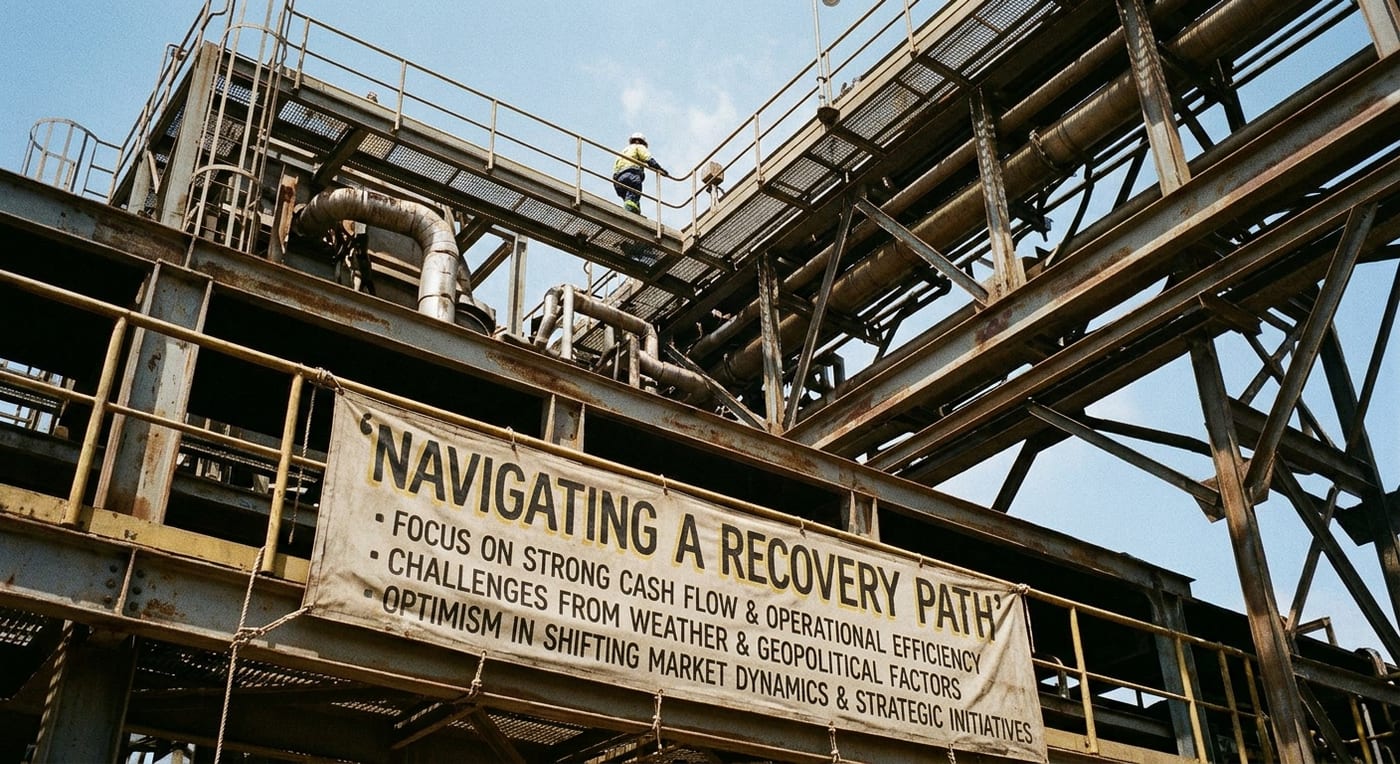
- Kinross Gold emphasizes strong cash flow and operational efficiency.
- Challenges arise from weather and geopolitical factors affecting production.
- Optimism fueled by shifts in gold market dynamics and strategic initiatives.
Kinross Gold Corporation (KGC) has been under intense scrutiny in recent months due to volatile market conditions and operational challenges. However, the company's recent third-quarter earnings report suggests a cautious optimism about its future prospects, anchored by strong cash flow and strategic operational enhancements. This article delves deeper into Kinross's current situation and future outlook, examining how it is navigating a complicated environment marked by economic uncertainties and market pressures.
Operational Performance and Cash Flow
In its Q3 earnings call, Kinross Gold reported a production of 425,000 gold equivalent ounces, with sales reflecting timing discrepancies rather than operational failures. While the cost of sales stood at $1,485 per ounce, the all-in sustaining costs (AISC) were recorded at $1,947. Despite these costs, Kinross generated significant cash flow, achieving an adjusted operating cash flow of $831 million and an attributable adjusted free cash flow of $391 million. Such figures indicate Kinross's resilience amidst fluctuating production costs and suggest that the company remains financially well-positioned in a turbulent market.
These financial figures underscore the company's strategic operational focus. Kinross's Tasiast and Paracatu mines have continued to be lynchpins for the company, contributing significantly to its operational success. The Tasiast mine has been particularly noted for its low cost of production, which could be a critical advantage if gold prices continue to face downward pressure in the coming months.