

IBM's Financial Struggles and Future Prospects
Cashu Finance·4 min read
TL;DR
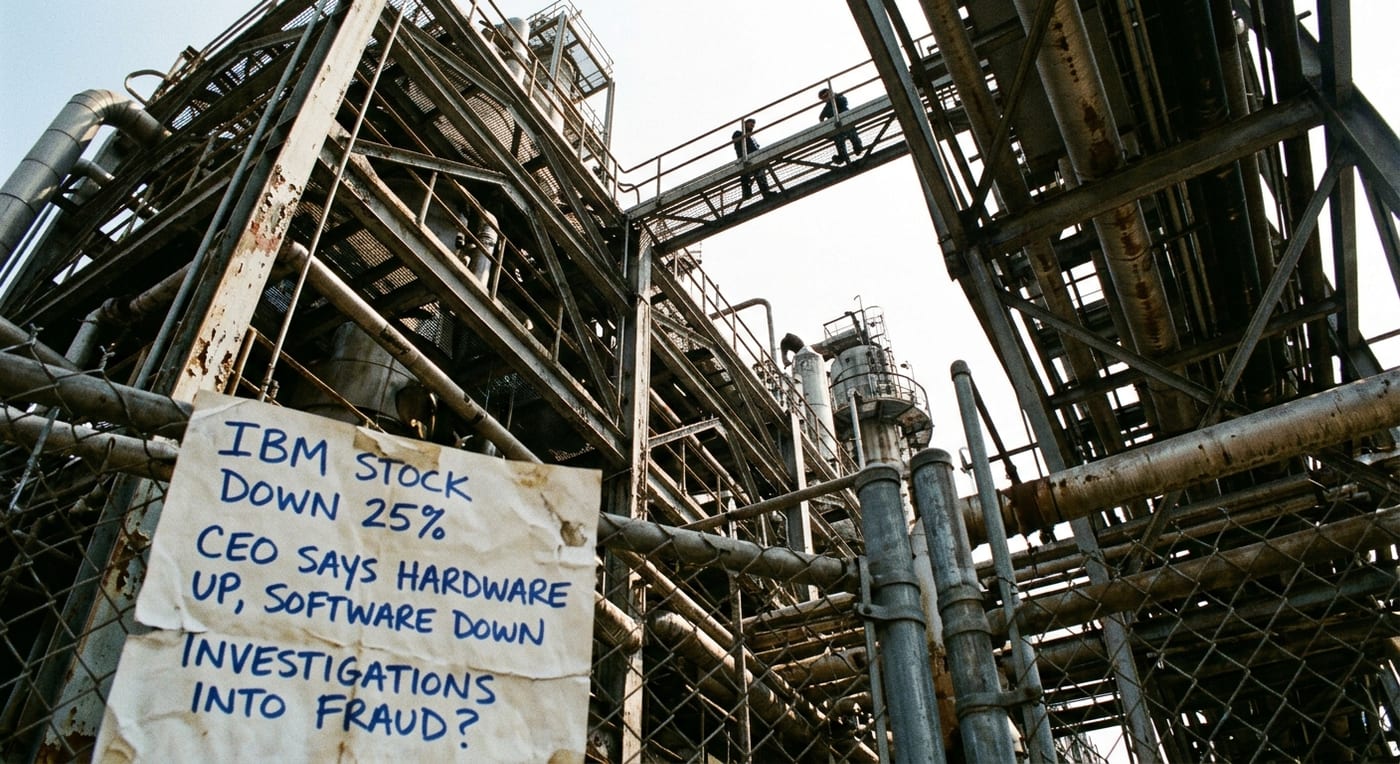
- IBM's stock plummeted 25% due to disappointing Q2 earnings.
- CEO explains a shift in customer spending towards hardware over software.
- Investigations into potential securities fraud could impact shares further.
International Business Machines Corporation (IBM) is drawing attention as the latest developments come into focus. In July 2026, IBM announced preliminary second-quarter earnings that showcased only a marginal growth of 1% year-over-year, far below the 5% anticipated by analysts. This lack of growth, combined with disappointing earnings per share (EPS) of $2.93 versus the expected $3.02, led to the steepest one-day price drop in the company's history.
The reaction from investors was stark; over $68 billion was wiped off IBM's market capitalization in just one day. Analysts and shareholders alike have become increasingly worried about whether the company can adapt to rapid changes in the tech landscape, particularly concerning shifts toward hardware spending over software.
Shifting Customer Spending Patterns
CEO Arvind Krishna attributed the disappointing results to shifted customer budgets towards hardware, particularly in servers and memory, delaying several significant software deals, especially related to IBM’s core Z product line. This shift has cast doubt on how IBM will navigate a landscape where enterprise clients are prioritizing hardware investments in light of rising memory costs and supply constraints.
As noted in a recent article, 'IBM Fell 25% as Hardware Spending Dominated AI Budgets. Palantir Sells What Runs on Top,' IBM's challenges have been compounded as customers have opted to invest in various hardware solutions rather than software, creating a disconnect in its core business model. The company’s stronghold in healthcare and financial services, which heavily depend on its mainframe technology, is now under pressure due to this budget reallocation.