

Home Depot's Resilience Amid Economic Challenges
Cashu Finance·4 min read
TL;DR
- Home Depot reports a revenue of $47.9 billion.
- Focus on professional customers amid declining transactions.
- Company remains committed to dividend payouts despite economic challenges.
The Home Depot, Inc. ( HD) continues to navigate a challenging economic landscape marked by tightening homeowner budgets and fluctuating market conditions. Recently, the company announced its fiscal second quarter results, revealing a revenue of $47.9 billion which, while exceeding Wall Street expectations, enables us to dive deeper into the underlying trends shaping its performance.
Performance Analysis
In the recent quarter, Home Depot reported positive same-store sales growth of 1.7%. This figure, while the fastest growth rate in almost four years, must be weighed against a broader context of declining transaction volumes over the past five quarters. Notably, customer transactions have significantly dropped, raising concerns about the overall health of consumer spending on home improvement projects. Home Depot's management attributes this trend to macroeconomic factors: high mortgage rates, inflationary pressures, and a general slowdown in the housing market.
"Home improvement spending tends to correlate with the state of the housing market and overall economic conditions," noted analysts. The ongoing dampening of housing turnover and elevated mortgage rates discourage homeowners from investing heavily in renovations, presenting substantial challenges for Home Depot.
Strategic Initiatives and Market Position
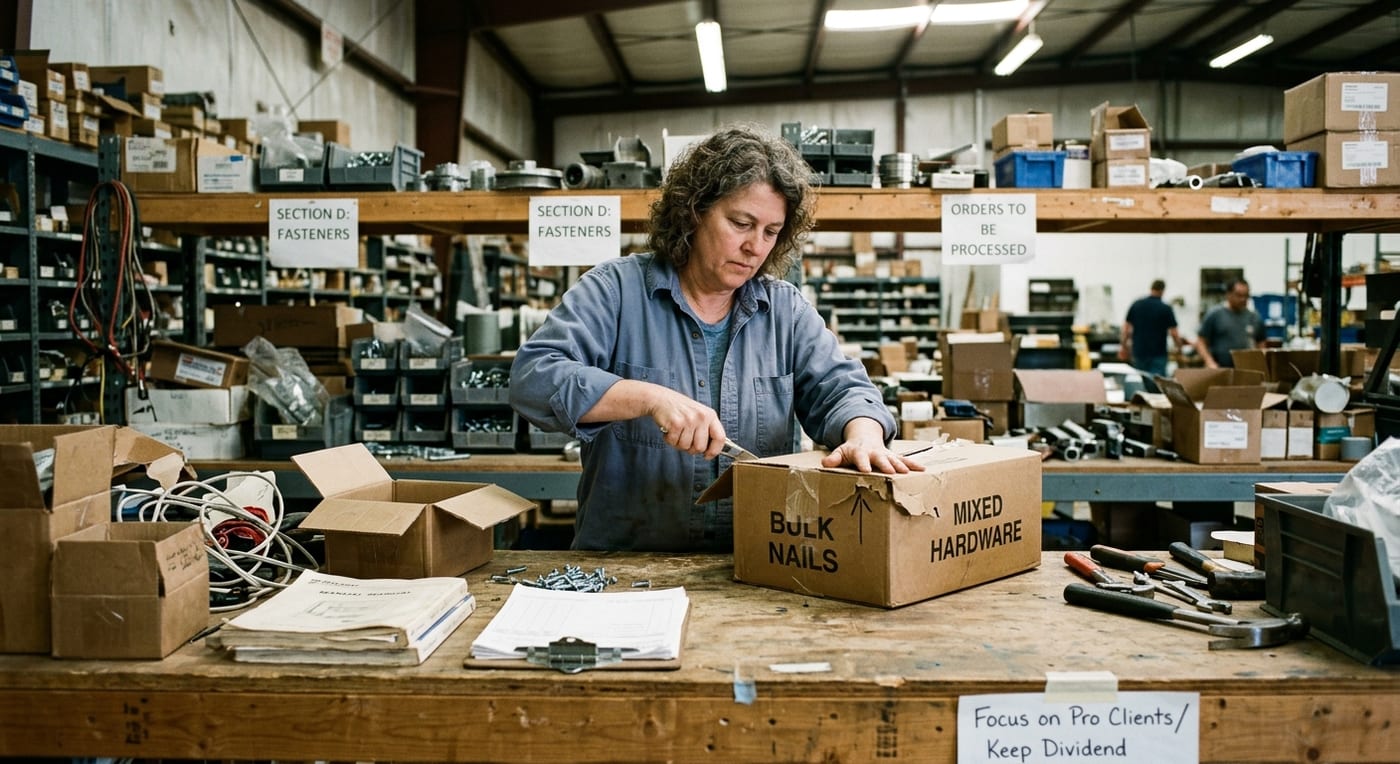
To counteract these challenges, Home Depot has pivoted its strategy to focus more on professional contractors and tradespeople. This shift is evident in recent acquisitions aimed at enhancing its Pro services and expanding market share amid competition. The acquisition of SRS Distribution indicates Home Depot's commitment to capturing a segment that represents significant growth potential. However, this strategy also introduces operational risks as the company seeks to balance its traditional DIY customer segment with an increasing focus on professional sales.