

HDFC Bank Faces Governance Turbulence
Cashu Finance·4 min read
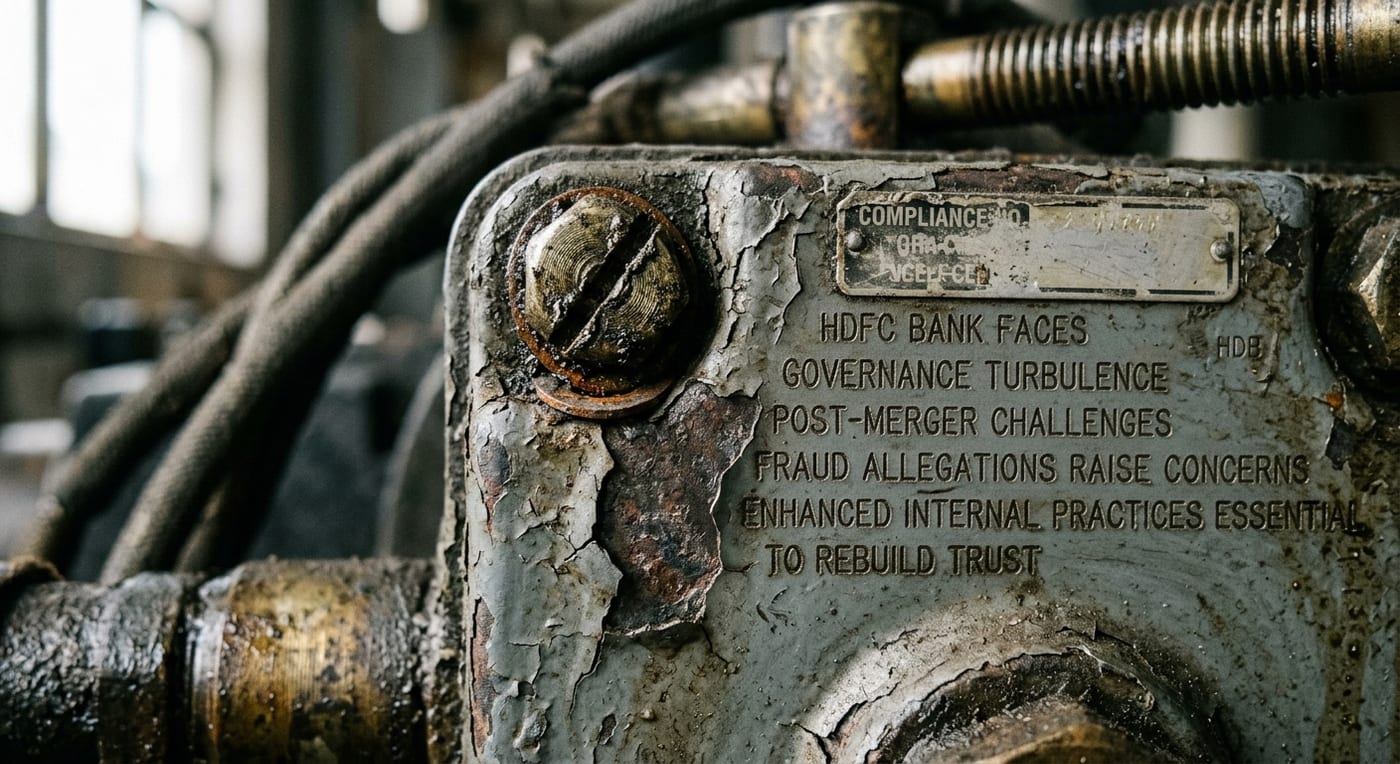
TL;DR
- HDFC Bank faces significant governance challenges post-merger.
- Allegations of securities fraud raise concerns among investors.
- Enhanced internal practices are essential to rebuild trust.
HDFC Bank Limited HDB is steeped in governance challenges following its landmark merger with the Housing Development Finance Corporation (HDFC). As the bank ascended to the status of the fourth-largest in the world, the repercussions of mismanagement began surfacing, casting a shadow over its reputation and impacting investor trust. The ramifications of this turbulence are far-reaching, influencing not only HDFC's market strategies but also its operational integrity.
The recent resignation of part-time chairman Atanu Chakraborty has exacerbated the situation. Chakraborty's exit cited ethical discrepancies, which signaled troubling governance practices within the bank. This incident has raised eyebrows among stakeholders, leading to increasing scrutiny regarding the effectiveness of HDFC Bank’s leadership.
Moreover, significant allegations of securities fraud are complicating matters further. Investors are now faced with serious concerns about HDFC Bank's transparency and its commitment to regulatory compliance. The assembled litigation from various law firms, including a comprehensive class action targeting alleged violations of securities laws, indicates that shareholder trust is wavering. With heavy penalties and reputational damage looming, HDFC Bank must navigate these rough waters judiciously.
Governance Challenges Unfold
HDFC Bank's governance issues began drawing serious attention in 2026, as allegations involving covert financial practices emerged. Reports indicated that the bank might have engaged in questionable activities, including disguised interest payments to state entities. Such practices, if verified, would not only breach internal policies but also shake regulatory trust fostering severe legal repercussions.