

Gildan's Legal Challenges and Investor Reactions
Cashu Finance·5 min read
TL;DR
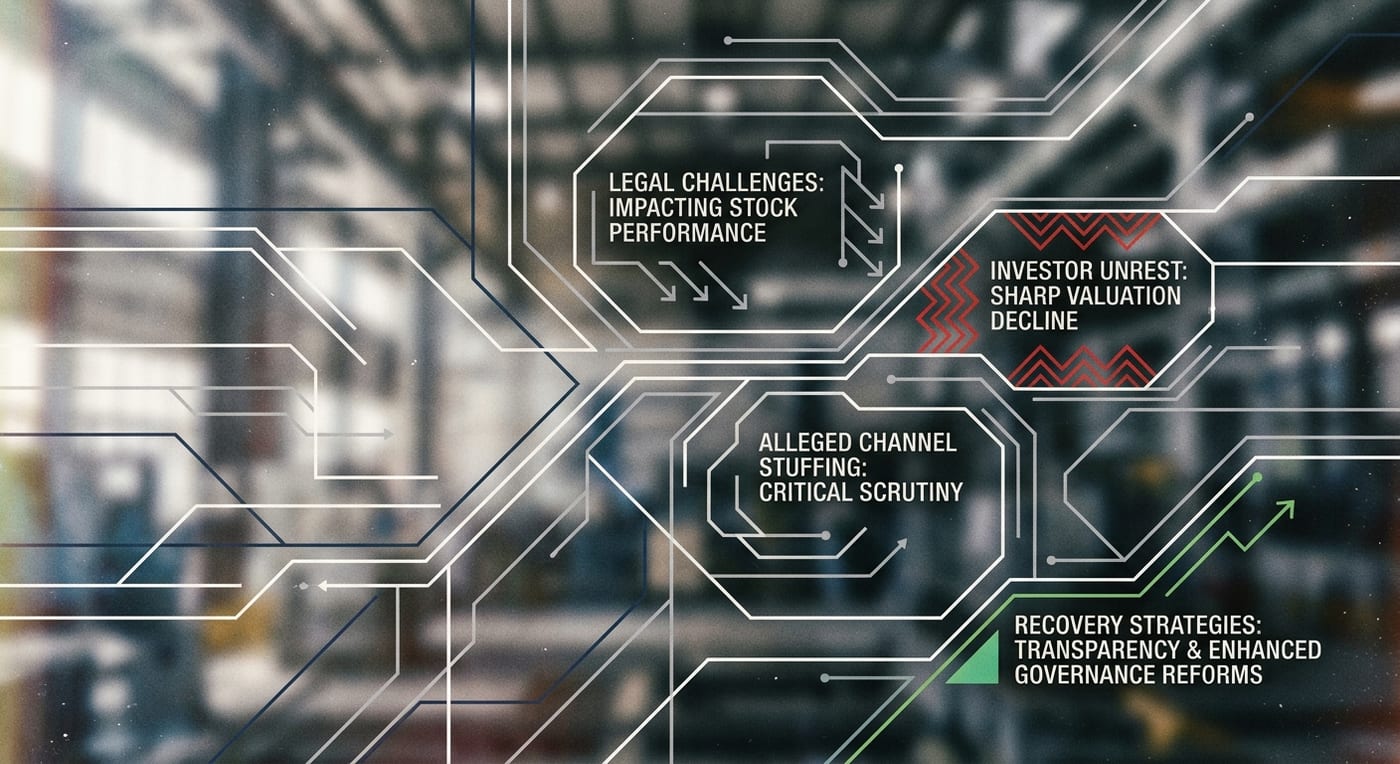
- Gildan faces severe allegations of channel stuffing impacting stock performance.
- Significant investor unrest following a sharp decline in company valuation.
- Recovery strategies centered on transparency and enhanced governance reforms.
Gildan Activewear Inc. (GIL) is currently navigating a turbulent phase defined by serious legal allegations and significant shifts in investor sentiment. The company faces accusations of channel stuffing, a practice that has spurred a multitude of class action lawsuits and has profoundly impacted its market value. This article delves into the ongoing legal issues surrounding Gildan, the implications of these challenges for its business model, and the potential pathways towards recovery and transparency amidst scrutiny.
Understanding Channel Stuffing Allegations
Channel stuffing refers to the strategy of shipping excess products to distributors or retailers to create a misleading impression of robust sales. Allegations against Gildan suggest that the company shipped approximately $510 million in excess inventory in an effort to inflate its revenue figures and mislead stakeholders about its true financial health. These claims became publicly known following a report by Jehoshaphat Research, which indicated that Gildan had not only engaged in this practice but had increasingly relied on it to present a facade of sales growth over the years.
On June 16, 2026, following the release of this damaging report, Gildan’s stock experienced a drastic slide, dropping 18.75% from $61.97 to $50.34 in a single day. This reaction reflects significant investor concern about the company's financial integrity and operational transparency, particularly given the legal implications that these allegations carry. Notably, the company is now embroiled in a securities fraud class action lawsuit, with investors seeking redress for losses incurred during the timeframe of the alleged misconduct.
The upcoming deadline of December 14, 2026, for investors to seek lead plaintiff status in the class action underscores the severity of the current situation. Investors are encouraged to act quickly, as any claim must be filed within this limited window to address the purported failures of Gildan's management to provide accurate disclosures regarding their sales and revenue recognition practices.