

General Motors: Driving Innovation and Strategy
ED
Editorial
Cashu Finance·5 min read
TL;DR
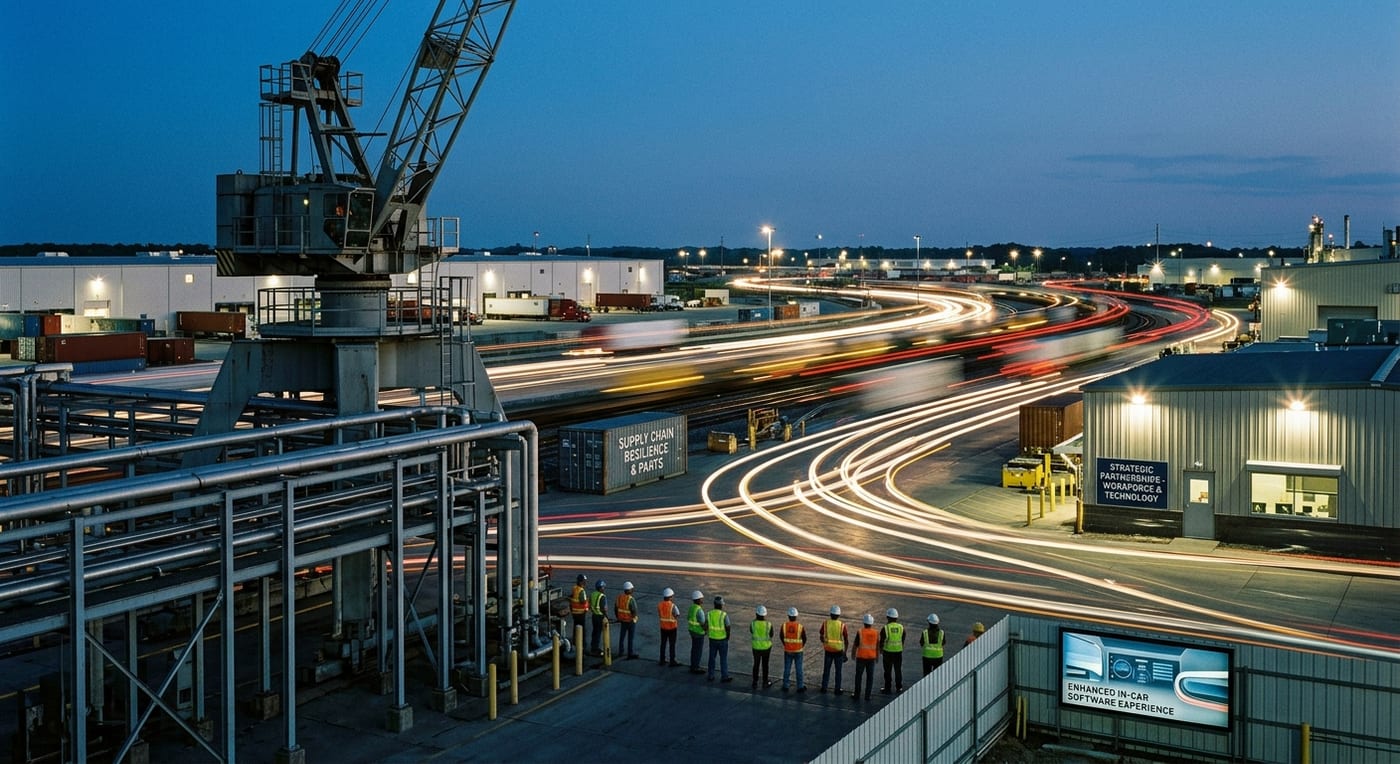
- GM invests $4.5 billion in parts for better supply chain resilience.
- Strategic partnerships enhance GM’s technology and workforce capabilities.
- New software experience set to improve in-car technology for consumers.
General Motors Company (GM) is currently navigating a pivotal moment in its corporate journey, focusing on innovation and strategic investments in multiple sectors including electric vehicles (EVs) and advanced technology. As US markets continue to evolve, GM is redefining its role not just as an automotive giant but as a diversified technological hub, showcasing its commitment to sustainability and future growth. This article explores GM’s recent initiatives, innovative technologies, and strategic shifts that are essential in shaping the future of this iconic brand.
Investing in Electric Vehicle Infrastructure
General Motors has made extensive commitments to the electric vehicle sector, underscoring its ambition to lead in this area amidst an increasingly eco-conscious consumer base. This drive is not merely for compliance but is based on a solid business strategy recognizing the shifting consumer preferences towards greener transportation options. With consumers more inclined to opt for electric vehicles, GM's singular focus on developing sustainable technologies has been matched by robust investments. For instance, the company announced a groundbreaking $4.5 billion parts deal aimed at enhancing supply chain resilience, critical for EV production. This expansive investment is indicative of GM’s proactive approach to ensure it meets growing demands and aligns with environmental policies.
Moreover, GM plans to capitalize not solely on traditional electric vehicle powertrains but also on emerging technologies like sodium-ion batteries, potentially positioning itself as a pioneer in energy storage solutions. The potential of sodium-ion technology to provide additional energy capacity and sustainability points towards GM's commitment to not just vehicle performance, but also environmental impact. This dual-focus on innovation in both battery technology and vehicle performance aligns with the overall market trend towards sustainability.
In a complementary approach, GM has expanded its partnerships across sectors. A notable collaboration included a significant $2 billion investment in semiconductor manufacturer Micron Technology, emphasizing the need for a reliable supply chain of vital components for modern automotive technologies. Given the growing demand for vehicles equipped with advanced electronics, this partnership aims to secure memory technologies crucial for enhancing vehicle capabilities and performance. As GM's CEO Mary Barra said, "This investment sets the stage for a new era of automotive innovation, ensuring our vehicles remain at the forefront of technology." This emphasis on strategic partnerships underpins GM's larger vision and prepares the company to navigate the complexities of future automotive landscapes.
Emphasizing Skilled Trades
As GM propels towards advanced manufacturing and electric vehicle production, it's also confronting significant labor challenges within the industry. During a recent discussion, Mary Barra highlighted what she termed a “societal problem” regarding the perception of skilled trades in the US labor market. She argued that technical jobs offer attractive pay prospects — often exceeding $100,000 — and are increasingly necessary as industries adapt to technological changes. Barra noted, "We need to ensure high school students recognize the immense opportunities in skilled trades, which are becoming more resilient amidst AI advancements."
The shift not only acknowledges existing labor shortages but also addresses the urgent need for upskilling as GM invests nearly $200 million into training programs aimed at preparing the next generation of technicians and engineers. By fostering a pipeline of skilled labor, GM is preparing to handle the technical demands of modern automotive manufacturing, which includes the integration of AI technologies and advanced manufacturing processes.
GM’s apprenticeship initiatives and partnerships with educational institutions reinforce these efforts, helping secure the skilled workforce necessary for the company’s ambitious growth plans. As industries face increasing technical demands, GM’s proactive workforce development strategy positions it well for sustainable operations moving forward.
Evolving Digital Experience
In an age where digital capabilities are a cornerstone of the consumer expectation, GM is not lagging behind in enhancing the in-car digital experience. The company recently unveiled a new software experience for its Chevrolet and GMC pickup trucks aimed at improving customer interaction with vehicle technology. This shift towards a more digital interface is reflective of broader consumer trends that prioritize connectivity and user-friendly technology.
The introduction of GM's redesigned software system speaks to the increasing integration of digital experience within automotive design, similar to how smartphones have revolutionized user interaction in consumer electronics. This new system not only streamlines access to vehicle functions but promises to enhance safety through its sophisticated advanced driver-assistance systems that are integrating more contextually relevant information for drivers.
As vehicles become more interconnected, GM's internal restructuring to enhance its digital operations is indicative of its long-term strategy to stay ahead of the competition. Collaborations with tech giants like Apple and Google to refine in-car experiences underscore GMT's commitment to adapting its offerings to meet evolving consumer expectations, while also addressing previously noted reliability concerns within the infotainment sector.
Conclusion: Commitment to Innovation
The roadmap for General Motors Company (GM) reflects a comprehensive strategy that not only addresses current market realities but also anticipates future challenges and opportunities. From its significant investments in electric vehicle technologies and skilled workforce development to evolving digital user experiences, GM’s trajectory is heavily anchored in innovation and adaptability. Adapting to changes in market demands, the company is ensuring its long-standing relevance in the ever-competitive automotive landscape. As GM continues to forge ahead, the alignment of its corporate strategies with the needs of consumers and the demands of tomorrow's market positions it effectively for sustained growth and success. The same pressure is reflected in recent reporting on the issue, which helps explain why the company's pricing decisions remain under scrutiny.