

GE Vernova's Strategic Energy Expansion
Cashu Finance·5 min read
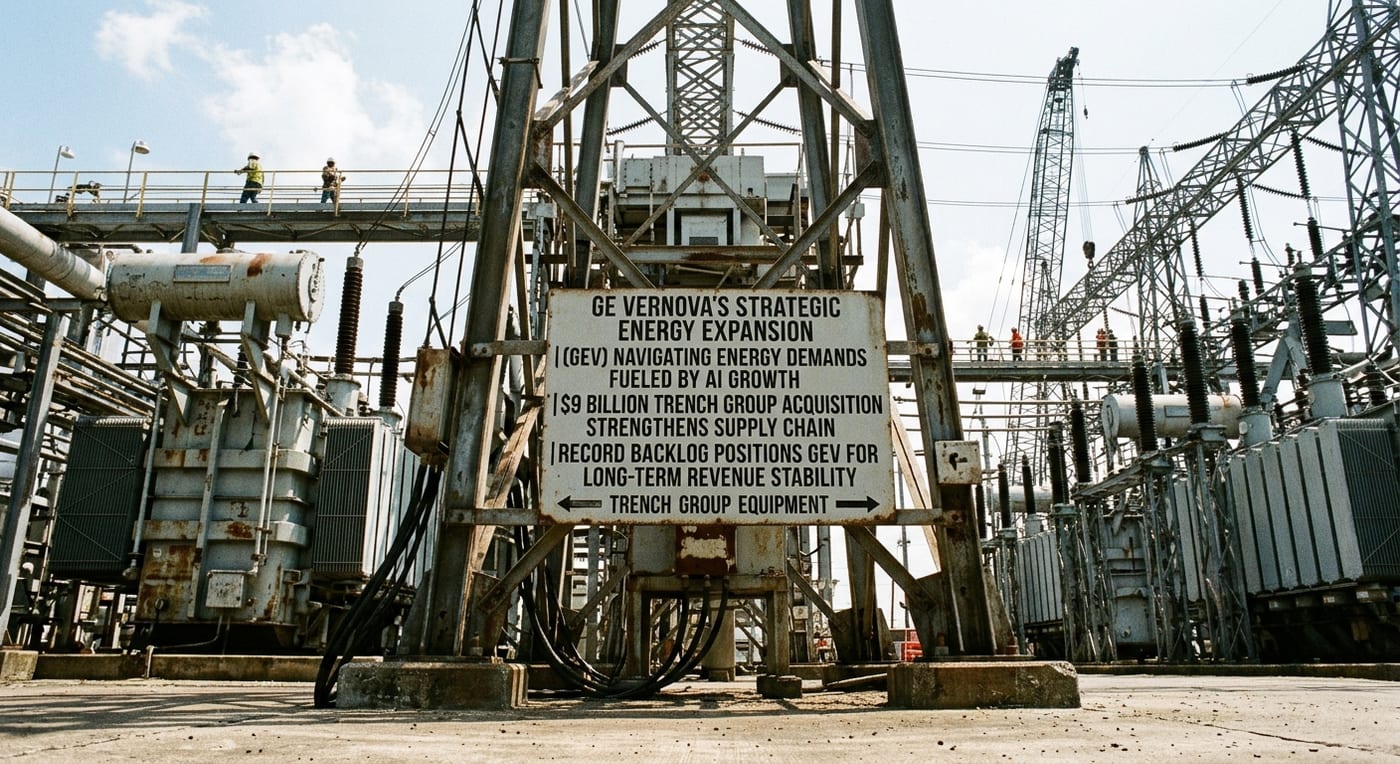
TL;DR
- GEV navigates energy demands fueled by AI growth.
- $9 billion Trench Group acquisition strengthens supply chain.
- Record backlog positions GEV for long-term revenue stability.
GE Vernova Inc. (GEV) stands at a significant crossroad in the energy sector, driven by its robust strategy to capture a multitude of opportunities within the evolving grid infrastructure landscape. As the demand for reliable and efficient energy sources surges, largely propelled by advancements in artificial intelligence (AI) and increasing electrification demands, GEV's initiatives position it favorably to navigate this growth phase amidst competition and market dynamics. This article explores GE Vernova's recent performance, strategic acquisitions, and the implications of its diverse energy offerings and their impact on future growth.
Understanding GE Vernova’s Strategic Positioning
Emerging from the legacy of General Electric, GEV is focused predominantly on advancing technologies that enhance power production and management across various segments, including natural gas, wind, and electrification. The company reported a substantial increase in its gas turbine segment, with a 14% rise in revenue year-over-year, reaching a total of $5.5 billion. This growth correlates directly with the global shift towards reliable, high-efficiency energy sources required to meet the escalating power demands of industries, notably in the context of AI-driven technological advancements.
A pivotal element of GEV's ongoing strategy involves its recent acquisition of Trench Group. This $9 billion deal is expected to substantially enhance GEV's capabilities in producing critical equipment for high-voltage electrical substations, thus allowing the company to further control its supply chain while addressing the increasing demand for electric grid infrastructure. This acquisition exemplifies GEV's commitment to vertical integration, ensuring improved capacity and stability as they ramp up production in response to market needs. As Scott Strazik, the Chief Executive Officer, stated, this move strengthens their ability to meet customer demands effectively.