

FuelCell Energy's Path to Recovery
ED
Editorial
Cashu Finance·5 min read
TL;DR
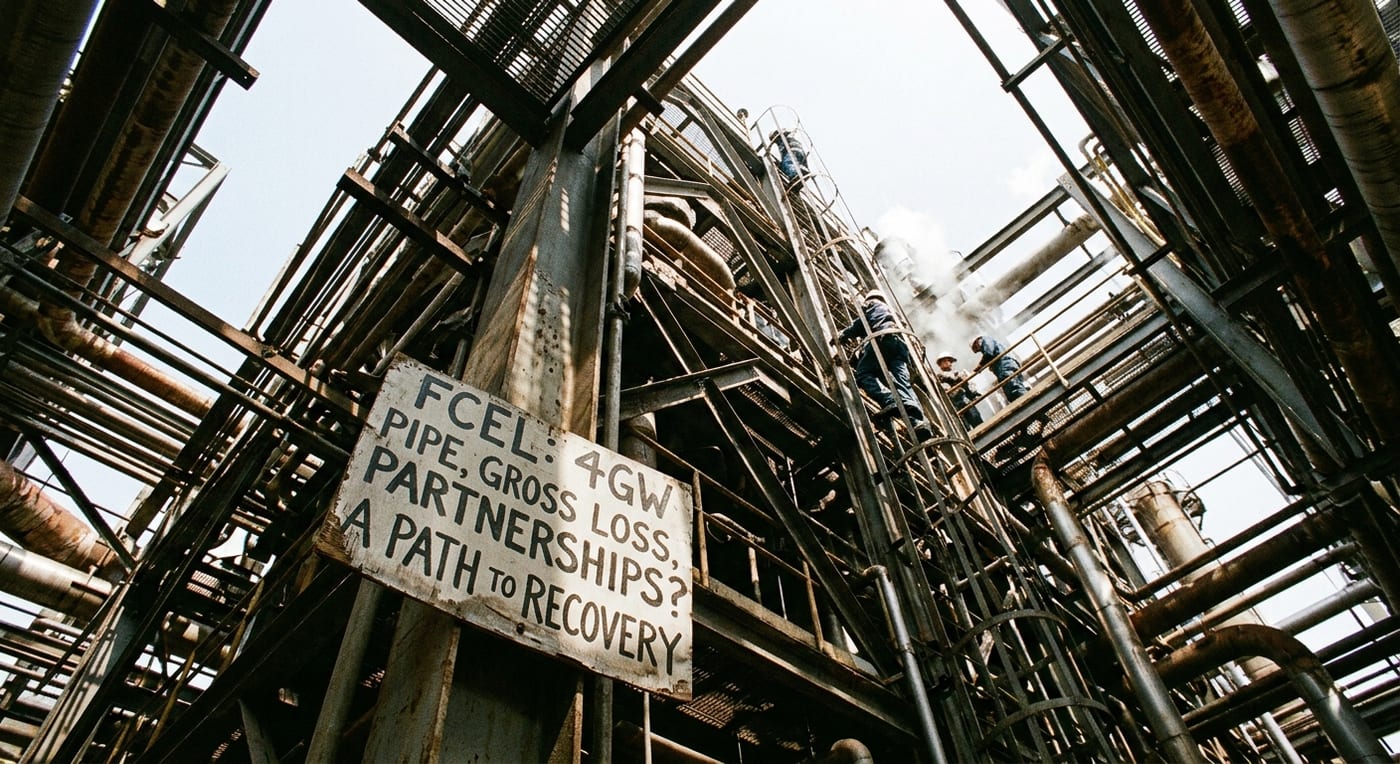
- Sales pipeline increased by 267% to 4 gigawatts.
- Faces substantial operational challenges, including a significant gross loss.
- Strategic partnerships aim to enhance its capabilities amid scrutiny.
FuelCell Energy, Inc. (FCEL) is drawing attention as the latest developments come into focus. FuelCell Energy, Inc. (FCEL) is navigating a turbulent phase in the clean energy sector, facing both remarkable growth in its sales pipeline and substantial operational challenges. As the demand for sustainable energy solutions increases, particularly within the data center market, FCEL is positioning itself strategically to capitalize on these trends. However, this growth is paired with scrutiny over operational setbacks that have raised concerns among investors.
Exceptional Sales Growth in Challenging Times
FuelCell Energy has recently reported a staggering 267% increase in its sales pipeline, reaching approximately 4 gigawatts, primarily driven by its focus on the data centers market. This sector currently constitutes around 90% of FuelCell's total pipeline, attesting to the evolution of its strategic approach towards sustainability in energy production. As firms gravitate towards more reliable, clean energy sources due to both consumer preference and regulatory pressures, FuelCell finds itself uniquely positioned to meet these escalating demands.
Despite this encouraging trajectory, FuelCell's growth story is punctuated by serious operational challenges. For instance, a recent class action lawsuit underscores the difficulties the company has faced regarding its manufacturing capacity and pricing structures linked to its agreements with partners such as Fit Energy USA LP. This partnership aims to deliver up to 380 megawatts of clean energy solutions for data centers, marking a significant leap in FuelCell's market strategy. However, the announcement of a gross loss of $24.5 million in the third quarter of fiscal 2026 raised red flags for investors, especially in light of an alarming $17 million charge related to production costs that exceeded contractual pricing under its Capital Equipment Purchase Agreement (CEPA) with Fit Energy.
As noted in previous reports, the lawsuit alleges misleading statements regarding FuelCell's readiness to meet manufacturing demands, emphasizing the magnitude of the operational hurdles FCEL is confronting. Investors now closely monitor how these challenges could impact both financial performance and strategic initiatives. These complications have resulted in a notable drop in share price following the financial disclosures, reflecting investor sentiment towards the unfolding scenario.
Aiming for Strategic Partnerships
FuelCell Energy’s pivot to a collaborative model, including partnerships with firms like Fit Energy, represents a core element of its strategic vision. Such collaborations are intended not just to offset operational inefficiencies but also to enhance FuelCell's technological capabilities in delivering clean energy solutions at scale. The company aims to cater to growing demands, particularly from data centers that require robust energy solutions amidst rising digitalization across industries.
However, the viability of these partnerships is now under scrutiny as the legal and financial implications become clearer. The claims made in the class action lawsuit against FuelCell suggest that investors were misled regarding certain critical aspects of the company’s operational readiness. This situation has led to increased investor vigilance, as they seek reassurances on the sustainability of FuelCell's production capabilities in light of current challenges.
Amidst these challenges, FuelCell’s significant sales pipeline continues to suggest a potential for recovery and growth, provided that the company can navigate through the scrutiny and restore investor confidence. Looking back at the backdrop of the current challenges, FuelCell's management must ensure that transparent communication and a solid operational framework are prioritized in the coming quarters.
The Broader Clean Energy Landscape
The broader clean energy sector is experiencing a transformative wave, with demand for sustainable energy solutions surging. Regulatory frameworks globally are increasingly favoring renewable energy sources, prompting companies to rethink their energy strategies. For FuelCell Energy, this evolving landscape aligns with its strategic commitment to sustainability. However, the company’s operational weaknesses could undermine its ability to capitalize on emerging opportunities.
As more industries adopt green energy solutions, the competition within the clean energy space intensifies. Firms of all sizes are investing in innovation and technology to secure their place in this promising market. FuelCell's focus on sectors like data centers, which are under collective pressure to reduce carbon footprints, initially gives them an edge. Still, operational hurdles need quick resolution for the company to maintain its competitive advantage.
Adapting rapidly to market demands while addressing internal challenges, such as production capacity and financial management, will be crucial for FuelCell Energy moving forward. It is imperative that the company aligns its operational strategies not just with current trends but also with robust scalability to ensure sustained customer interest and investment confidence.
Looking Ahead: Investor Sentiment and Recovery Strategy
Investor sentiment surrounding FuelCell remains cautious as many await clarity regarding the firm's operational capabilities and financial health. The ongoing class action lawsuit serves as a reminder of the potential pitfalls that arise from failing to meet production commitments and the importance of transparency in corporate communications.
FuelCell should prioritize enhancing its manufacturing processes and securing its supply chain to ensure that it meets the growing demands of its strategic partners effectively. These actions will be fundamental in proving to the market that it can deliver on its promises despite recent setbacks.
In conclusion, FuelCell Energy, Inc. (FCEL) is at a decisive juncture, presenting a dual challenge of harnessing growth while addressing strategic operational concerns that threaten its prospects. The company’s ability to resolve these challenges will determine not only its short-term recovery but also its long-term viability in the increasingly competitive clean energy sector. The same pressure is reflected in recent reporting on the issue, which helps explain why the company's pricing decisions remain under scrutiny.