

Energy Transfer LP: Navigating Challenges and Growth
Cashu Finance·5 min read
TL;DR
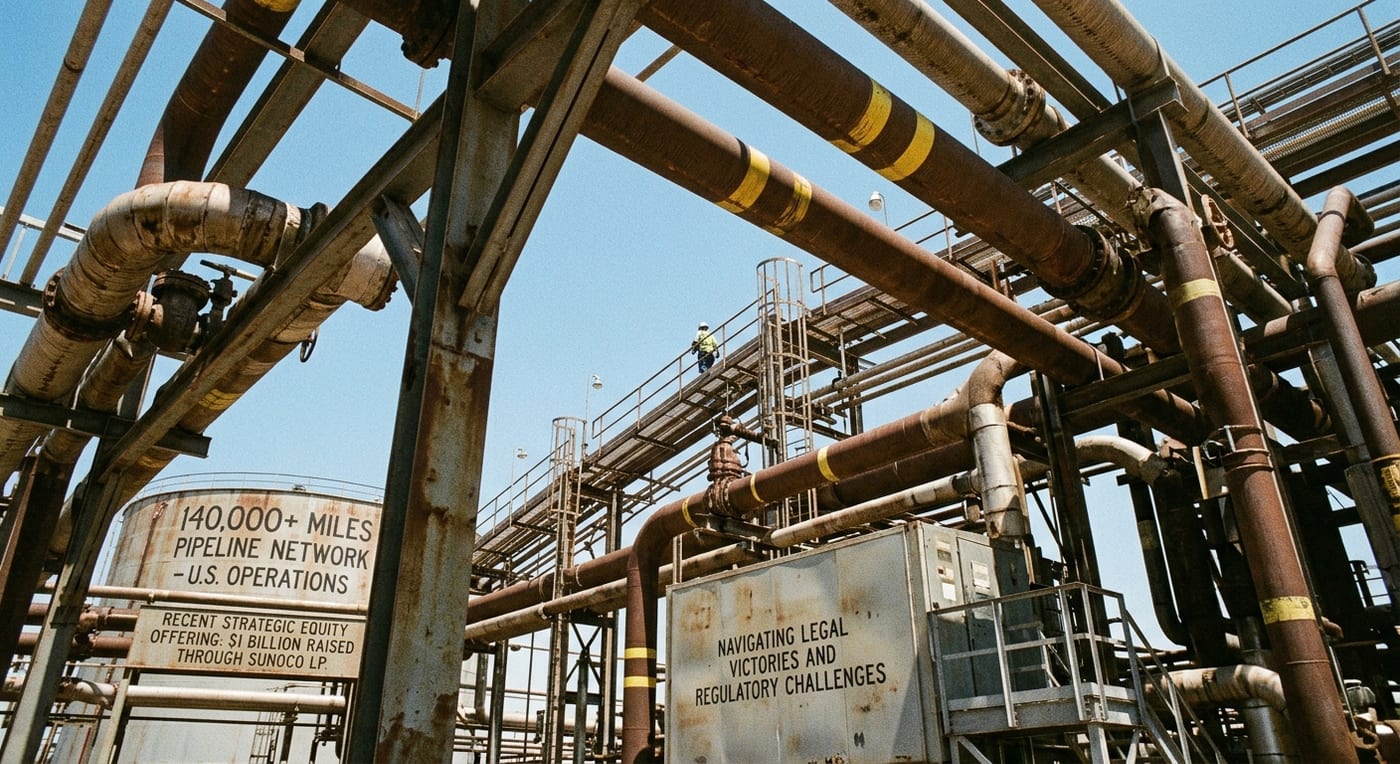
- Energy Transfer LP operates over 140,000 miles of pipeline in the U.S.
- The company recently raised $1 billion through a strategic offering by Sunoco LP.
- Legal victories and regulatory challenges shape Energy Transfer's operational landscape.
Energy Transfer LP ( ET) stands as one of the largest midstream energy companies in the United States, boasting an extensive pipeline network that spans over 140,000 miles. As it navigates through a rapidly evolving energy landscape marked by regulatory hurdles and changing market dynamics, the resilience of its operations will be crucial for its future success. This article examines Energy Transfer's strategic maneuvers, existing challenges, and the broader implications on its market position amidst recent developments.
Energy Transfer's Vast Infrastructure
At the heart of Energy Transfer's operational strategy is its vast infrastructure that facilitates the transportation of natural gas, crude oil, and refined products. The company generates substantial revenue through its fee-based contracts, charging upstream and downstream partners for the use of its pipelines. This business model provides a degree of financial stability; however, it is closely tied to the volume of commodities transported rather than fluctuating prices in the energy market.
Recent regulatory challenges have put this model to the test, notably with the postponement of the Green Chile Project in New Mexico, which was designed to supply significant quantities of natural gas for Oracle and OpenAI's ambitious AI data center project. Originally expected to commence operations by August 2026, delays until February 2027 due to land rights disputes and regulatory setbacks have raised concerns. However, given the scale of Energy Transfer's overall operations—transporting over 32 billion cubic feet of natural gas daily—this specific project constitutes a small fraction of its capabilities. The company's historical ability to overcome regulatory hurdles with previous projects like the Dakota Access and Rover pipelines provides a foundation for optimism regarding its long-term resilience and growth potential.