

Eli Lilly's Expanding Dominance in Pharmaceuticals
Cashu Finance·4 min read
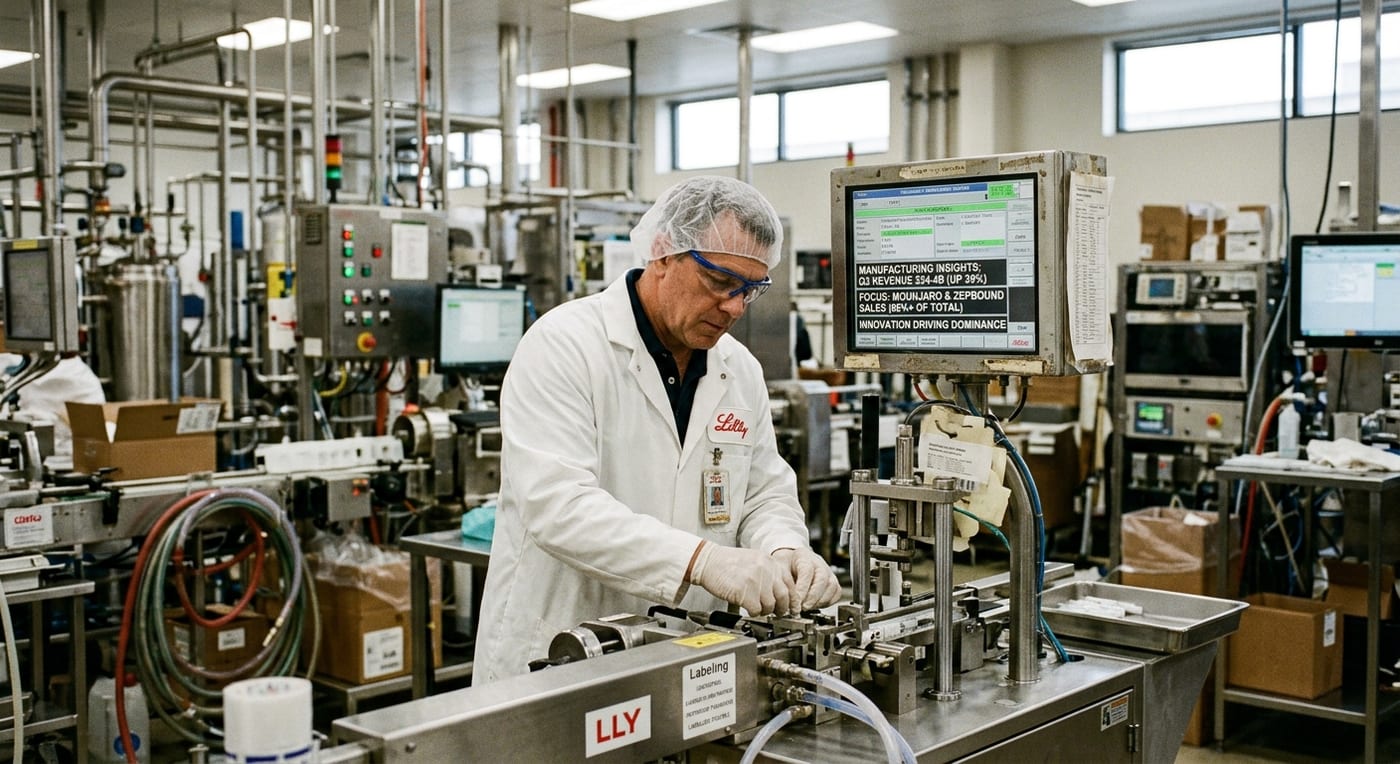
TL;DR
- Eli Lilly's Q3 revenue surged 39% to $24.4 billion.
- Mounjaro and Zepbound accounted for over 66% of total revenues.
- Strategic innovations position Eli Lilly strongly in various therapeutic areas.
Eli Lilly's Expanding Dominance in Pharmaceuticals
Eli Lilly and Company (LLY) has carved a substantial niche in the pharmaceutical industry, showcasing significant growth driven predominantly by its innovative weight loss products and a broader pipeline that extends far beyond this segment. As the company continues to entrench itself as a leader in obesity treatments, its strategic product expansions in various therapeutic areas provide promising insights for investors and healthcare stakeholders alike. In the latest quarter, Eli Lilly's performance was bolstered by notable revenue increases, primarily from two key products: Mounjaro and Zepbound. These drugs alone accounted for a combined total of $16.1 billion, representing a staggering 66% of the company’s $24.4 billion revenue for the quarter. Such impressive financial outcomes suggest a robust trajectory for Eli Lilly, where its focus on obesity therapies, among other treatments, could redefine patient care across several chronic conditions.
The latest figures reveal that Eli Lilly's revenue surged by 39% year-over-year in Q3, driven by an impressive 65% increase in Mounjaro's sales, which reached $10.7 billion, and a 49% rise in Zepbound's revenue to $5.4 billion. This robust growth is a clear indicator of the escalating demand for effective obesity and diabetes management solutions, which have substantial clinical and economic impacts. Eli Lilly's CEO, Dave Ricks, indicated that the firm's operational strategies and portfolio diversification are vital to sustaining this momentum as patient access and treatment efficacy drive pharmaceutical revenue potential.
Despite being prominently known for its weight-loss medications, Eli Lilly's portfolio includes several high-potential drugs beyond its GLP-1 category peptides. The company reported growth across other therapeutic areas, emphasizing its rich diverse pipeline featuring promising candidates such as Kisunla for Alzheimer’s disease, which achieved unprecedented revenue milestones. This medication has shown remarkable growth potential, with a year-over-year revenue increase of 175%, contributing $193 million in Q3. Similarly, the immunology drugs Ebglyss and Omvoh and the cancer treatment Jaypirca have showcased strong performance metrics, suggesting robust underlying demand balancing the anticipated challenges in areas such as drug pricing and competition.