

DoorDash's Ambitious Expansion Strategy
ED
Editorial
Cashu Finance·5 min read
TL;DR
- DoorDash is in talks to acquire Instacart for $17 billion.
- Expansion includes partnerships like the drone delivery deal with Lowe's.
- The company is addressing labor costs and regulatory scrutiny.
DoorDash, Inc. ( DASH) continues to reshape the delivery service landscape as it embarks on ambitious expansion plans. Reports of advanced acquisition talks with Instacart signal a potential strategic pivot to bolster its position in the grocery sector, while its diversified service offerings portray a company adapting fluidly to market dynamics.
The Grocery Delivery Ambition
DoorDash's reported discussions to acquire Instacart for approximately $17 billion represent a significant leap forward for the company. This acquisition could enhance DoorDash's foothold in the competitive grocery delivery market, allowing it to diversify beyond its core restaurant delivery roots. Instacart has been valued at about $13 billion recently, making the proposed deal an attractive opportunity for DoorDash, as it positions itself to capture the broadening demand in grocery delivery.
The grocery delivery sector has undergone substantial changes recently, marked by a resurgence in competition from giants like Amazon and Walmart, who are investing heavily to capture the online grocery shopping wave. By aligning with Instacart, DoorDash could integrate its robust logistics network, reaching customers efficiently and effectively. The potential synergy between DoorDash’s delivery framework and Instacart’s established marketplace could result in a formidable alliance, enhancing customer experience and efficiency.
The implications of this strategic move mirror DoorDash's previous acquisition of Deliveroo and Wolt, which expanded its presence in overseas markets and allowed for the development of multi-faceted delivery solutions. Such a trajectory underlines how DoorDash is not merely focused on immediate growth but also aims to fortify its market positioning amid evolving consumer preferences.
The Expansion Beyond Traditional Offerings
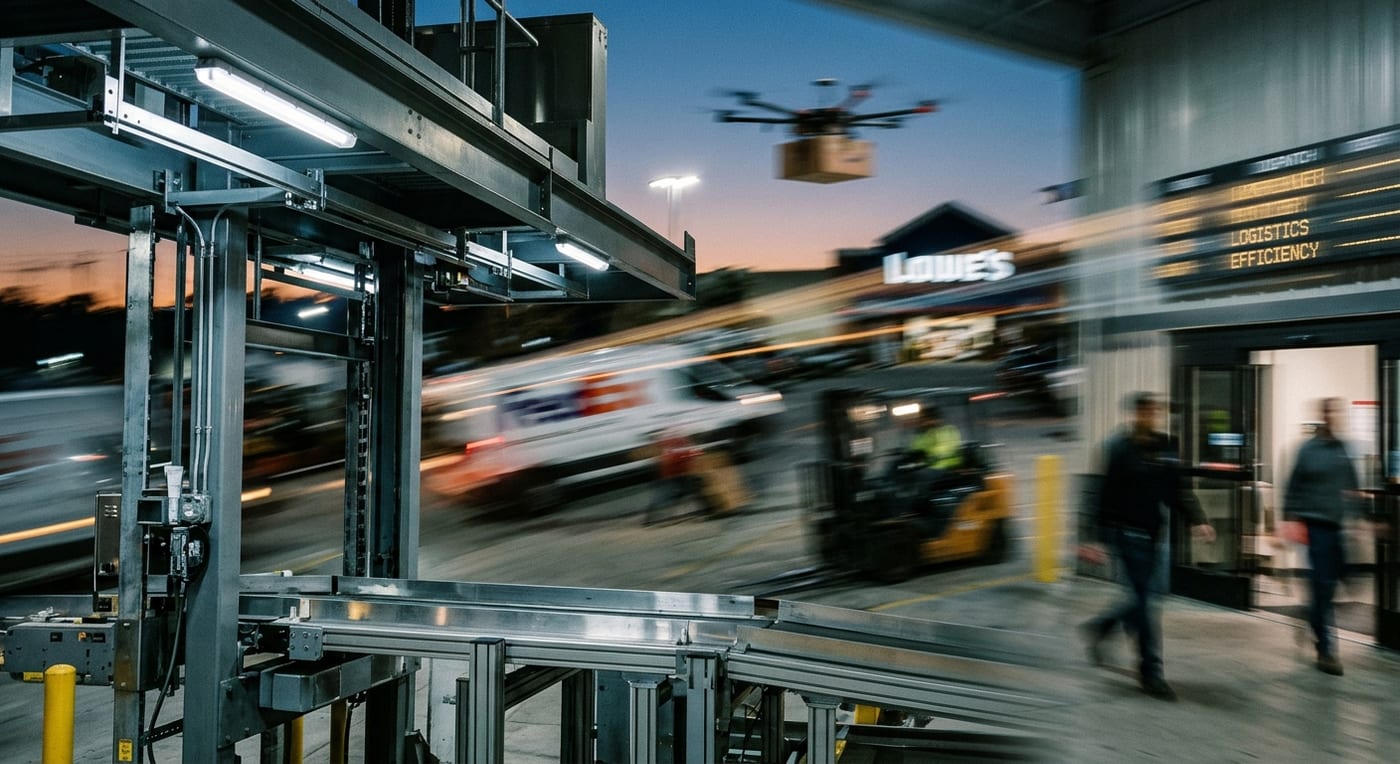
In addition to its potential acquisition of Instacart, DoorDash has recently enhanced its delivery service portfolio through pivotal partnerships. The collaboration with Lowe's for drone delivery is a notable example, as it augments DoorDash's strategy to go beyond traditional food deliveries. This partnership enables customers to order home improvement products, which reflects the company's strategy of tapping into different market segments.
Such diversification is crucial as consumer behavior shifts towards convenience. DoorDash's success hinges on its ability to adapt and innovate, evident in the introduction of flexible payment options that cater to evolving consumer demands. These strategic decisions provide DoorDash with avenues to retain customer loyalty while navigating the competitive pressures of the delivery industry. The flexibility in payment methods enhances not only customer retention rates but also positions DoorDash as a more appealing option amidst fierce market competition, in which many consumers are seeking value and convenience.
Navigating Labor Costs and Regulation
While ambitions in expansion are concrete, DoorDash, like many in the delivery gig economy, must continually navigate rising labor costs and increased regulatory scrutiny. The post-pandemic phase has witnessed a tightening regulatory environment for gig workers, impacting operational margins significantly. Furthermore, as labor costs rise, companies such as DoorDash face mounting pressure to find sustainable operational models that balance profitability with fair labor practices.
Ensuring adequate protections for workers not only addresses compliance issues but also fosters a more stable workforce, minimizing turnover and maintaining service levels. DoorDash's recent settlement in New York City underscores its efforts in this spectrum, attempting to create a compliant and supportive environment for its delivery personnel. Worker satisfaction becomes pivotal when the growth trajectory appears dependent on how well a company manages labor relations.
Competitive Landscape
The competitive landscape surrounding delivery services remains intense, with companies like Uber making strategic acquisitions, such as Postmates and Delivery Hero. DoorDash’s efforts to acquire Instacart could enhance its profile in not just a defensive move against competitors but also a strategic expansion that appreciates the evolving consumer expectations regarding service delivery.
Instacart's recent discussions with DoorDash excluded talks with Uber, presenting DoorDash as a more complementary option, given its strong restaurant delivery network. This aspect highlights the potential for a combined delivery solution that could cater to everyday consumer needs, effectively creating a comprehensive convenience platform. In this light, the acquisition talks align perfectly with how DoorDash aims to redefine its service offerings while responding to the competitive challenges presented in the market.
Future Outlook
As DoorDash moves ahead with its multi-faceted growth strategy encompassing diversification, strategic partnerships, and potential acquisitions, its outlook remains promising yet cautious amidst market pressures. Integrating the systems and cultures of Instacart will not be without challenges but also offers the chance to mitigate risks associated with single-service dependencies.
Continuous adaptation to market dynamics, regulatory demands, and consumer preferences will dictate how effectively DoorDash can leverage these expansions. With the backdrop of evolving customer expectations and an increasingly competitive market, DoorDash's ability to meet these challenges effectively will be crucial in securing its long-term success.
Amid ongoing discussions surrounding acquisitions and expansions, DoorDash’s strategic maneuvers illustrate a company poised for growth while navigating the complexities of a rapidly evolving delivery service landscape. The developments regarding the Instacart acquisition will undoubtedly be a focal point in the coming weeks, signaling a potential shift in how DoorDash positions itself in the grocery delivery segment. The same pressure is reflected in recent reporting on the issue, which helps explain why the company's pricing decisions remain under scrutiny.