

DoorDash Expands Delivery Horizons with Strategic Moves
ED
Editorial
Cashu Finance·4 min read
TL;DR
- DoorDash partners with Lowe's for drone delivery expansion.
- New settlement in NYC emphasizes worker protections and compliance.
- Flexible payment options enhance customer convenience and retention.
DoorDash, Inc. (DASH) has consistently transformed the delivery landscape, transitioning from a food delivery service to a comprehensive logistics provider. This evolution highlights the company’s adaptability in response to changing consumer demands and a competitive market. That backdrop echoes earlier coverage of the issue, especially around how pricing, strategy, and demand feed into the current story.
Expansion Beyond Food Delivery
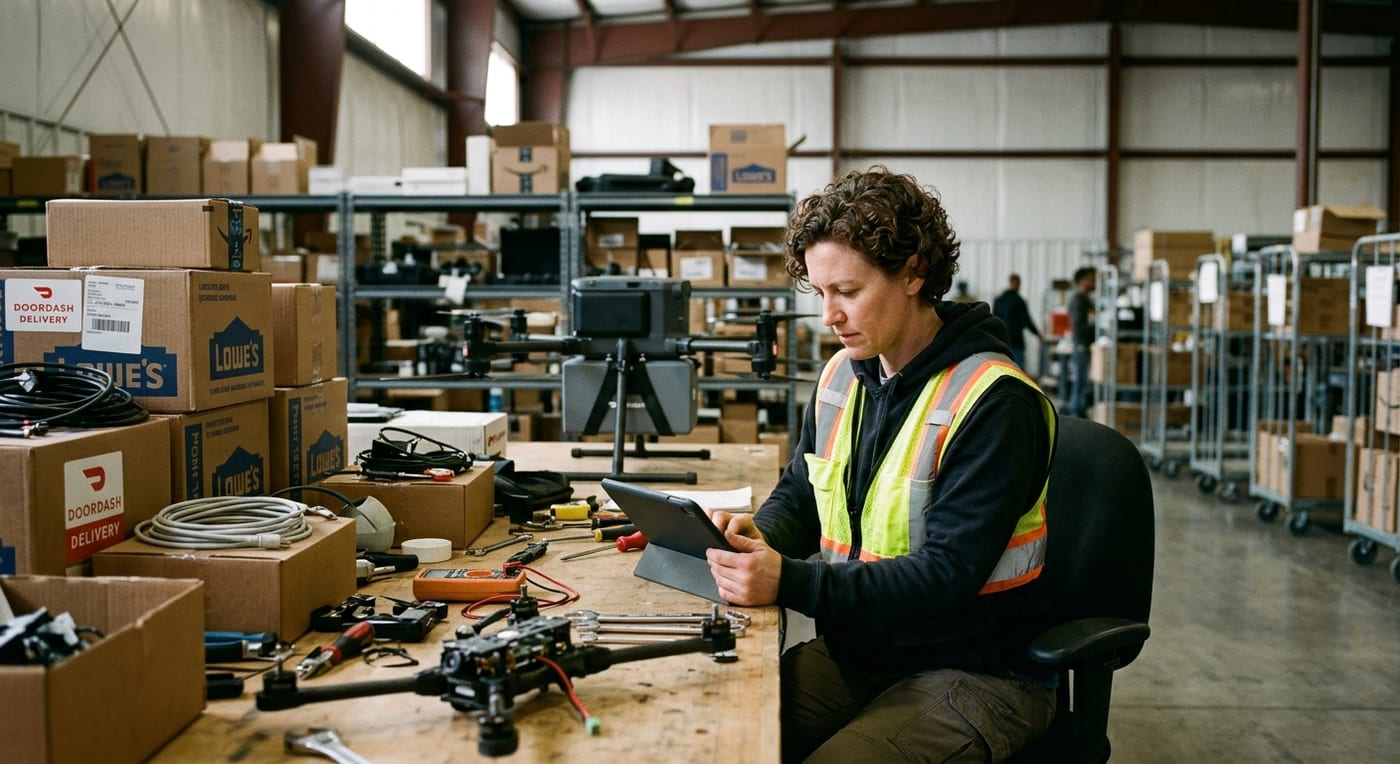
In recent developments, DoorDash has expanded its service offerings by forming vital partnerships and integrating innovative technologies. The partnership with Lowe's for drone delivery signifies a groundbreaking shift, potentially redefining retail logistics. This collaboration allows customers to order essential home improvement products via DoorDash, leveraging drone technology to deliver items within minutes. As seen in Lowe's initiative, drone delivery fits seamlessly into customers' needs, particularly for those undertaking home projects that require quick access to supplies.
DoorDash's collaboration with Lowe's comes at a pivotal time. The first home improvement retailer to adopt drone delivery, Lowe's aims to capitalize on the convenience that this technology can provide, further enhancing the flexibility that DoorDash offers its customers. By embracing drone delivery, DoorDash is not only enhancing its service portfolio but also positioning itself to compete with other retailers exploring similar technology solutions.
Navigating Regulatory Challenges
As DoorDash evolves, it faces significant regulatory challenges, particularly in key markets such as New York City. Recently, the company reached a $131.5 million settlement regarding underpayment claims affecting over 264,000 delivery drivers. This settlement, part of Mayor Zohran Mamdani’s broader initiative to regulate delivery companies, underscores the increasing scrutiny on gig economy workers' rights and earnings.
DoorDash's response to the regulatory environment includes a commitment to enhancing worker protections and addressing feedback from advocacy groups. These efforts are essential as they align with ongoing changes in consumer and worker expectations, illustrating how regulations can drive operational adjustments within delivery services. The larger context of these developments ties back to broader labor movements advocating for better wages and conditions in the gig economy.
Revolutionizing Payment Flexibility
To further bolster its competitive edge, DoorDash has implemented flexible payment options, allowing customers to manage their expenditures more effectively. Through its partnership with Klarna, customers can split payments into manageable installments or defer them, catering to rising economic pressures many face today. This financial flexibility not only promotes customer loyalty but also underlines DoorDash's commitment to adapt its services in response to market needs.
Such innovations align with DoorDash's strategy to diversify beyond food delivery into sectors like grocery, beauty, and more. By providing varied payment alternatives and wide-ranging product offerings, DoorDash significantly enhances the customer experience while navigating economic challenges. This effort aligns with the insights highlighted in earlier coverage, particularly regarding how efficient payment systems elevate user satisfaction and operational effectiveness.
Technological Integration and Future Outlook
Integrating advanced technologies, including AI and machine learning, remains a priority for DoorDash. As Lowe's continues to expand its use of drone deliveries, DoorDash is likely to leverage data analytics to optimize route efficiencies and enhance overall service performance. This intersection of technology and logistics presents a unique opportunity for DoorDash to differentiate itself from competitors.
Moreover, as DoorDash develops its platform to support various delivery solutions—from groceries to home goods—it can also ensure a seamless experience for consumers transitioning between these sectors. This is critical as DoorDash aims to not only capture new markets but also solidify its presence in areas already saturated with competition.
Concluding Thoughts
As DoorDash, Inc. positions itself for future growth through strategic expansions, partnerships, and technological innovations, it must also remain vigilant about regulatory landscapes and workforce needs. The company's endeavors not only bolster its brand recognition but also highlight its capacity to adapt and thrive in a rapidly changing market. How well DoorDash navigates these multifaceted challenges will be critical in determining its long-term success and sustainability. The same pressure is reflected in recent reporting on the issue, which helps explain why the company's pricing decisions remain under scrutiny.