

Disney's Strategic Evolution Amid Challenges
ED
Editorial
Cashu Finance·4 min read
TL;DR
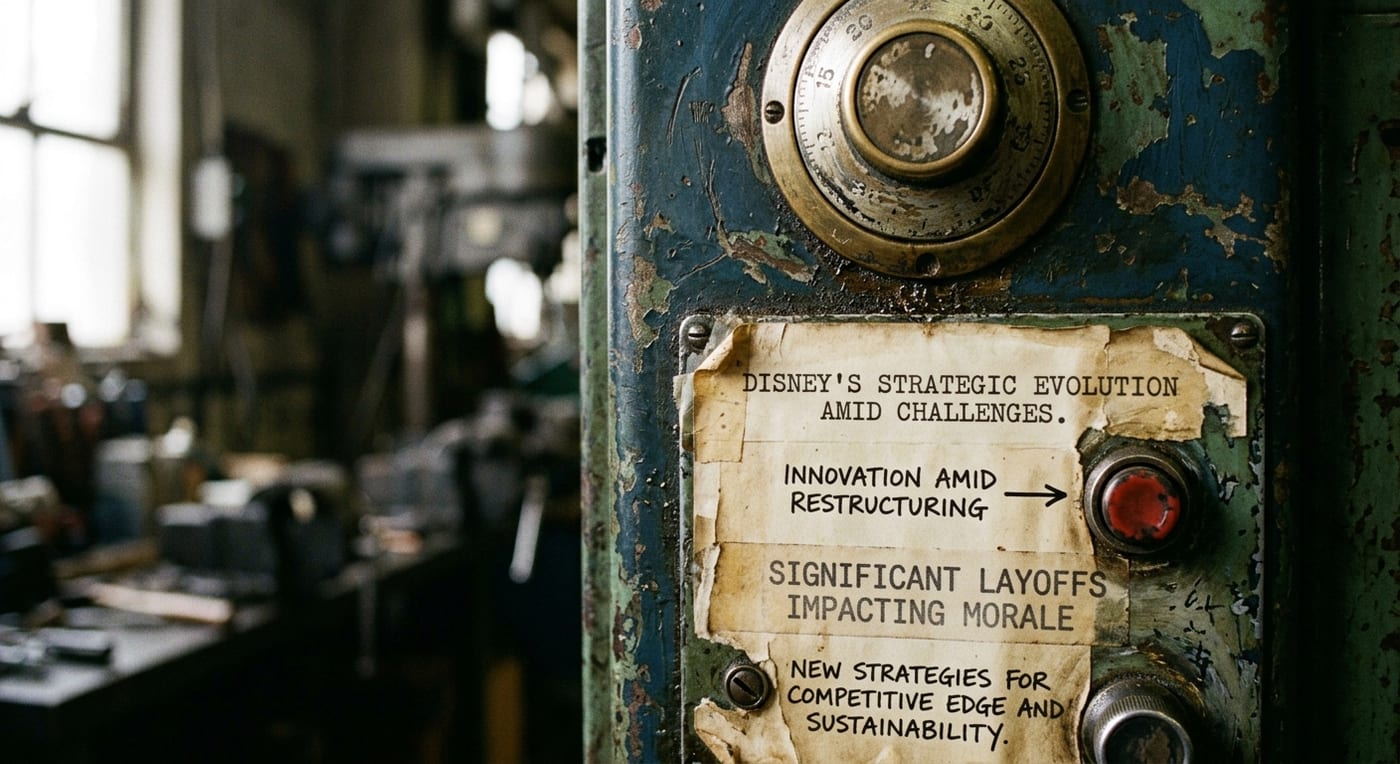
- Disney emphasizes innovation amid restructuring.
- Significant layoffs impacting employee morale.
- New strategies aim to enhance competitive edge and sustainability.
The Walt Disney Company (DIS) is currently undergoing profound transformations as it navigates a landscape characterized by heightened competition, fluctuating consumer behavior, and significant internal restructuring. Under the stewardship of CEO Josh D'Amaro, Disney aims to adapt its operations and reinforce its brand amidst various challenges, from financial performance to employee benefits changes.
An Overview of Current Challenges
Disney's intricate network of business operations has faced pressing challenges in recent years, impacting its financial metrics and strategic focus. In its latest earnings report, the company registered a year-over-year revenue increase of 7%, landing around $25.25 billion. However, this figure barely met analyst expectations, causing industry watchers to scrutinize the company's direction.
In recent times, Disney has galvanized its efforts towards innovation while coping with notable market pressures. This dual approach is critically important as it seeks to not only maintain its market position but also to invigorate employee morale and enhance customer engagement. The strategic shifts signify a broader movement within the entertainment industry, particularly as companies respond to rising operational costs and technological advancements.
Strategic Realignment and Leadership Changes
D'Amaro's leadership is heralding a new era for Disney. His strategic vision emphasizes the importance of connecting with consumers while fostering innovation—a sentiment that resonates similarly to initiatives outlined in prior analyses of Disney’s corporate trajectory. Significant changes to workforce dynamics, including layoffs across various divisions—particularly at Pixar—indicate a significant shift in operational strategy as Disney attempts to streamline its workforce. The layoffs are part of a broader initiative to enhance efficiency and reduce operational costs, a reflection of the ongoing market pressures faced by Disney.
Moreover, as highlighted in previous reports, Disney's new three-pillar strategy positions the company for rebuilding its core business principles, focusing on creative development, technology integration, and financial sustainability. The company is learning to sustain its iconic brand relevance while adapting to an evolving marketplace.
Layoff Impacts and Employee Engagement Strategies
Recent reports indicate that Disney’s commitment to fostering an innovative work environment is challenged by decisions that involve workforce reduction. The layoffs, particularly within Pixar, are said to reflect deeper operational dynamics. According to industry experts, the reductions are a response not only to economic challenges but also to ensure that the company's creative resources align more closely with its strategic objectives. These workforce adjustments are complemented by the introduction of a new employee stock purchase program, scheduled for 2027, which aims to bolster morale and retention amid challenging times. The new stock program may serve as a vital tool to engage remaining staff and encourage ownership within the company while aligning employee interests with corporate performance.
Additionally, as Disney restructures its employee benefits, the discontinuation of medical insurance for spouses with alternative coverage reflects a trend among major employers grappling with rising healthcare costs. This policy shift, which affects a significant portion of Disney's workforce, could create additional challenges in employee retention, especially in an industry where creative talent is paramount.
The Streaming Landscape and Competitive Pressures
Amidst these internal changes, Disney's external environment remains fraught with competitive pressures, particularly in the streaming arena. The announcement of a $50 million settlement regarding antitrust concerns over streaming service pricing practices underscores the challenges faced by Disney in this competitive landscape. This lawsuit has raised questions about Disney's pricing strategies, particularly with its popular ESPN and Hulu brands.
Disney's response to these legal pressures, coupled with its concerted efforts to optimize its streaming portfolio, points to a nuanced understanding of the marketplace. Recent partnerships, such as the innovative collaboration with Govee that showcased new interactive experiences for families, hint at ways Disney is functioning towards retaining its competitive edge and enhancing consumer experiences through technology.
Financial Outlook and Investor Sentiment
While the mixed financial results may raise concerns among investors, Disney’s decision to focus on strategic collaboration and technological integration reveals a company that is aware of the ever-changing landscape. Despite the current stock performance, negatively impacted by external pressures, D'Amaro's leadership appears committed to crystallizing a vision that marries traditional storytelling with state-of-the-art technology, ensuring long-term viability in the market.
In summary, Disney is proactively approaching the myriad of challenges it faces, seeking to bolster its workforce, innovate its entertainment offerings, and navigate legal complications with a focus on future growth. Recent changes reflect a blend of operational efficiencies and strategic foresight aimed at ensuring sustained engagement with consumers while addressing market dynamics that can significantly impact its revenues and operational viability. Engaging stakeholders in this evolution will be crucial as Disney continues to redefine its legacy in the ever-competitive realm of entertainment. The same pressure is reflected in recent reporting on the issue, which helps explain why the company's pricing decisions remain under scrutiny.