

DBV Technologies: Pioneering Food Allergy Solutions
ED
Editorial
Cashu Finance·5 min read
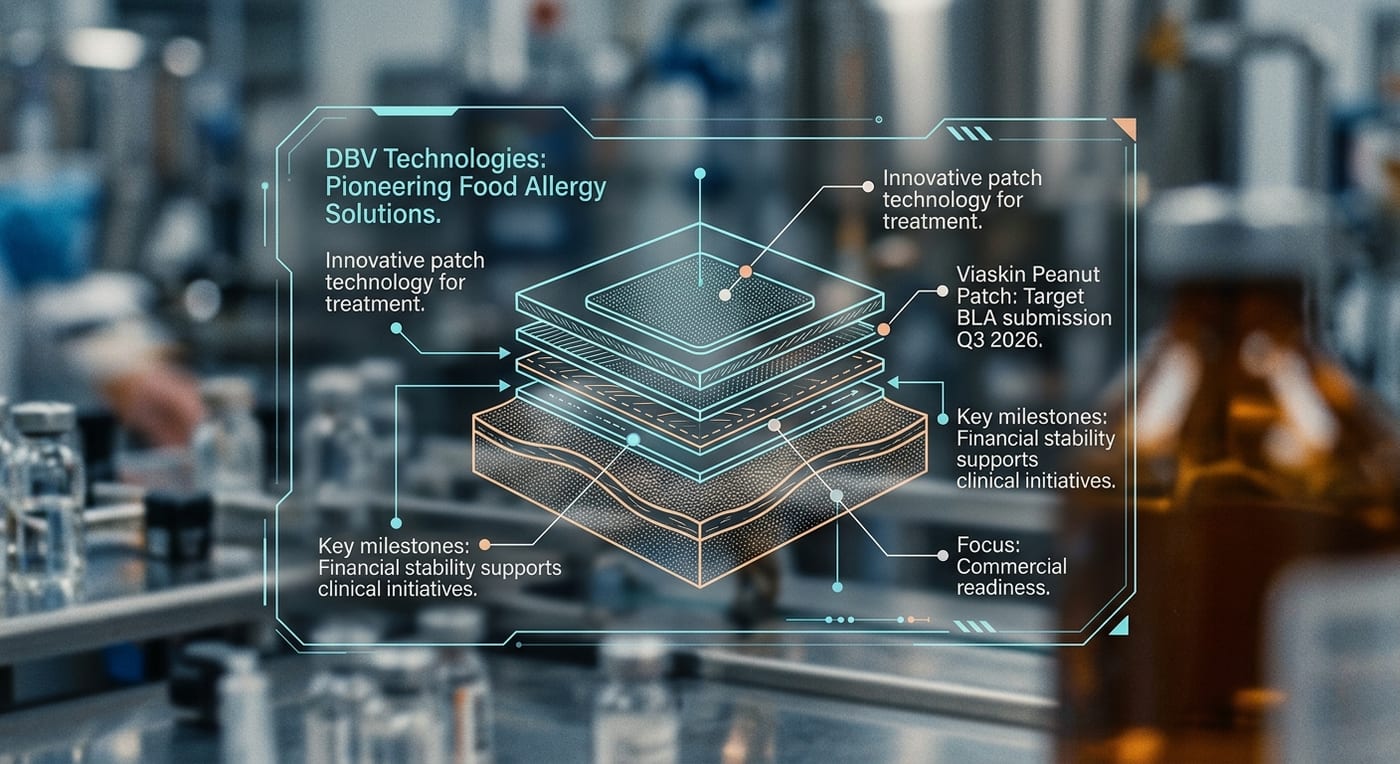
TL;DR
- DBV Technologies pioneers food allergy treatments through innovative patch technology.
- The company is on course for BLA submission of the Viaskin Peanut Patch by Q3 2026.
- Financial stability supports DBV's commercial readiness and clinical initiatives.
DBV Technologies S.A. (DBVT) is drawing attention as the latest developments come into focus. DBV Technologies S.A. (DBVT) is making significant advancements in the field of allergen immunotherapy with its proprietary Viaskin patch technology.
The company's innovative approach targets food allergies, particularly peanut allergies, by utilizing a new class of non-invasive treatment known as epicutaneous immunotherapy (EPIT). This article provides an in-depth look at DBV Technologies' current progress, strategies for commercial readiness, and the broader context of the food allergy treatment market.
Introduction to DBV Technologies
DBV Technologies is positioned at the forefront of allergy treatment innovation. By focusing on the substantial unmet medical needs of patients suffering from food allergies, the company aims to transform the landscape of allergen therapeutics.
The recently filed 2026 Half-Year Report highlights DBV's ongoing commitment to advancing its Viaskin technology as a viable treatment option that introduces microgram amounts of allergens through the skin to promote immune system desensitization.
The Viaskin Peanut Patch represents a breakthrough, especially for pediatric patients, as it is designed to treat peanut allergies—a condition that affects many families globally. As DBV progresses through various clinical trial phases, the need for effective treatments becomes more pressing, especially with rising allergy prevalence rates.
Regulatory Progress and Market Positioning
As of July 2026, DBV Technologies has engaged in productive discussions with the U.S. Food and Drug Administration (FDA) regarding the Biologics License Application (BLA) for the Viaskin Peanut Patch in children aged 4 to 7 years.
This submission is anticipated in the third quarter of 2026, demonstrating the company's strategic focus on regulatory compliance and market readiness. The feedback from the FDA has been constructive, not requesting additional data, which positions the company favorably for potential approval.
DBV's engagement with regulatory authorities and robust clinical data will play a critical role in its upcoming meetings with investors and stakeholders.
Furthermore, the company's ability to fund its operations into the third quarter of 2027 with $174.9 million in cash provides a solid financial backing for its commercial strategies. This financial stability is crucial as DBV aims to build its U.S. infrastructure for a successful launch if the patch receives regulatory approval.
Advancements in Clinical Trials
The clinical trials for the Viaskin Peanut Patch have shown promise, especially with the closure of recruitment for the COMFORT Toddlers supplemental safety study.
Additionally, DBV has initiated the THRIVE study to evaluate the efficacy of the patch in achieving dietary peanut consumption in infants previously diagnosed with peanut allergies.
These studies are pivotal in expanding the data pool necessary for FDA review and reflect DBV's dedication to robust scientific methods.
As the company advances its research, continuous engagement with the allergy and immunology communities is essential.
Participation in significant medical congresses, such as the AAAAI Annual Meeting and EAACI Congress, allows DBV to showcase its findings and foster collaborations that can enhance its visibility and support within the medical framework.
Additionally, previous developments, such as advancements in the Viaskin technology, have positioned DBV as a leader in immunotherapy.
The ongoing research not only focuses on peanut allergies but is also expanding to other food allergens, diversifying its market opportunities and further solidifying its role in the immunotherapy landscape.
Financial Performance and Investment Readiness
In the second quarter of 2026, DBV reported an operating income of $1.6 million, albeit lower than the previous year due to decreased accrual of French research tax credit income.
The company has strategically increased its investments in research and development, ramping up activities in preparation for the expected launch of the Viaskin Peanut Patch.
R&D costs climbed to $64.6 million, highlighting the commitment to enhancing product safety and effectiveness, which is vital for the anticipated commercial introduction.
Moreover, the escalation in selling, general, and administrative expenses reflects DBV's proactive stance in establishing a commercial presence in the U.S.
These expenditures stem from strengthening its infrastructure, which is essential for supporting long-term product delivery and patient care post-approval.
Daniel Tassé, CEO of DBV Technologies, articulated the company's vision for 2026 as pivotal in its journey towards becoming a commercial entity, with innovative products targeted at the needs of food allergy patients.
This optimism is crucial as market conditions evolve, and investor expectations heighten.
Conclusion: Future Outlook for DBV Technologies
DBV Technologies S.A. stands poised to address the critical needs of patients suffering from food allergies, particularly through its Viaskin Peanut Patch.
As the company prepares for its BLA submission and solidifies its commercial strategies, investor confidence continues to build.
The upcoming months will be crucial for DBV as it navigates regulatory processes and aims to secure its place in the biopharmaceutical market focused on allergy treatment.
With growing global awareness around food allergies and the imperative need for effective solutions, DBV is strategically positioned to make a significant impact in the healthcare community, enhancing the lives of those affected by food allergies. The same pressure is reflected in recent reporting on the issue, which helps explain why the company's pricing decisions remain under scrutiny.