

Costco's Price Strategies Amid Oil Supply Challenges
ED
Editorial
Cashu Finance·4 min read
TL;DR
- Costco raises prices of motor oil amidst rising crude oil prices.
- Purchase limits introduced to manage consumer demand and supply.
- Strong membership model supports ongoing revenue growth despite economic pressures.
Costco Wholesale Corporation (COST) is drawing attention as the latest developments come into focus. Costco Wholesale Corporation (COST) has demonstrated remarkable adaptability in the face of ongoing economic challenges, particularly those arising from fluctuating oil prices that are impacting a broad range of consumer products. As a leader in the retail sector, Costco’s response to these challenges includes strategic price adjustments and limits on product purchases to maintain supply and manage inflationary pressures.
Rising Oil Prices and Their Impact
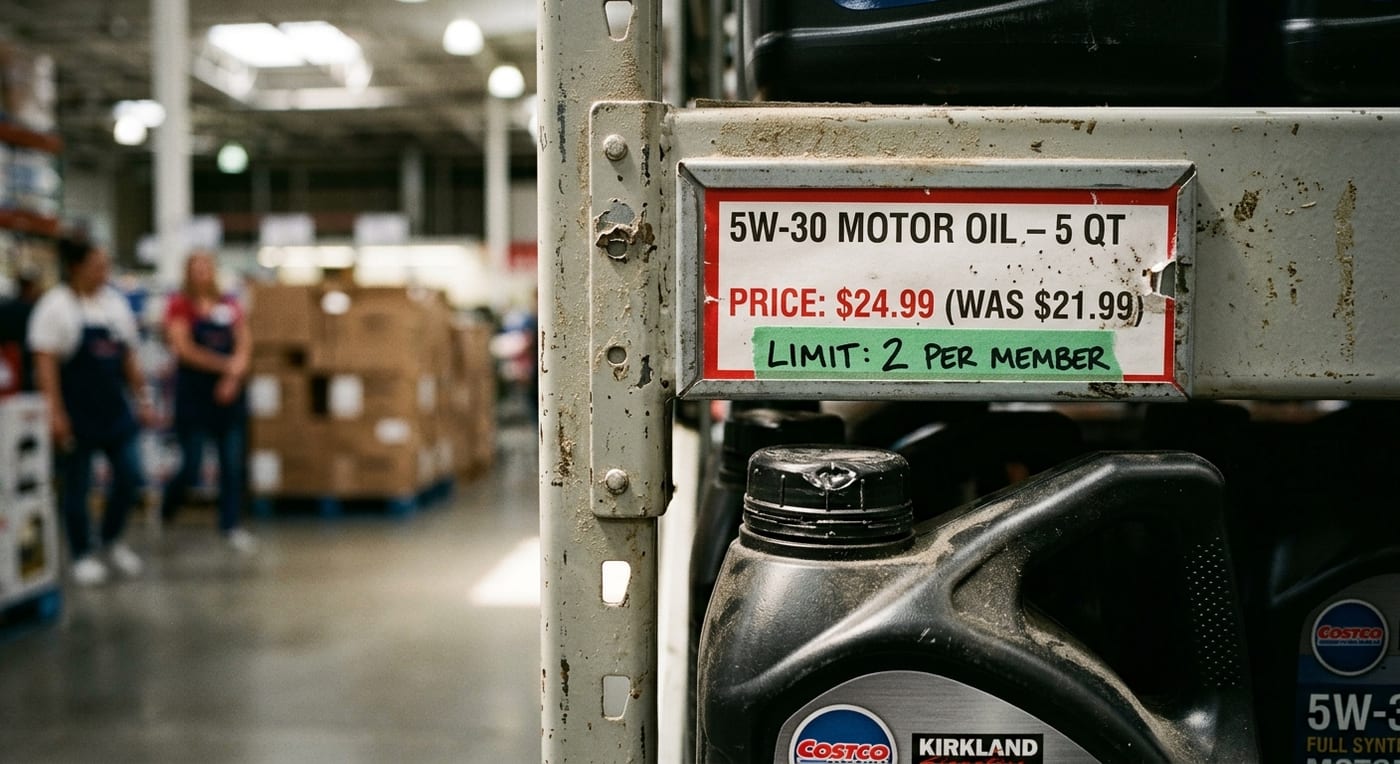
In recent weeks, the price of crude oil has surged significantly, driven by geopolitical tensions and supply chain disruptions. Brent crude prices exceeded $109 a barrel, prompting many retailers to reevaluate their pricing strategies. Costco is no exception; the company has raised the price of its Kirkland Signature motor oil from approximately $30-$35 to $58 per 10-quart case. This increase reflects not only the climbing cost of raw materials but also market trends affecting supply availability. The cost of oil has risen dramatically, affecting an extensive array of consumers goods in addition to fuel.
The impact of these rising oil costs is multifaceted. For example, national gasoline averages have reached nearly $4.32 per gallon, compared to $3.18 a year ago. As oil prices rise, consumers will inevitably experience heightened prices for virtually all products derived from crude oil, including motor oil.
To combat potential shortages and manage customer demand effectively, Costco has implemented purchase limits on motor oil. Customers can now purchase only two cases of Kirkland brand motor oil per week, with similar constraints placed on popular brands like Mobil 1. This step is indicative of a strategic move to balance supply against increasing demand spurred by tight oil market conditions.
Maintaining Member Loyalty
Costco’s membership-based business model remains a key factor in its ongoing success. The company's ability to cultivate and sustain customer loyalty is evident, with its renewal rate standing at an impressive 92.3% in the U.S. and Canada. This loyalty is a critical asset as members perceive strong value in their Costco memberships, particularly in times of rising costs. The strategic decisions to raise prices and limit purchases are aimed not just at navigating current market conditions but at preserving long-term member trust and satisfaction.
Having reported approximately $5.32 billion in membership fees for fiscal 2026—reflecting a 10% year-over-year increase—Costco showcases how its core membership model supports its revenue stream. The message that the company is taking proactive steps to protect both its supply chain and member experience fosters further trust in its brand.
Adapting to Economic Pressures
Costco is uniquely positioned to weather economic pressures due to its strategic pricing and operational efficiencies. The company is continuously investing in its operations, exemplifying a commitment to expanding its product portfolio to adapt to shifts in consumer demand. Furthermore, the recent price hikes for motor oil align with broader trends affecting products that rely on crude oil derivatives. As competition intensifies, it will be essential for Costco to be vigilant regarding its pricing strategies.
In a related context, Costco's strategic resilience amidst these pressures has been highlighted in previous articles. For instance, the resilience strategies outlined demonstrate how the company leverages its membership model and product diversification to stay competitive in the retail landscape. Such strategies are illuminating in light of the recent changes to Costco’s product pricing and availability as a reaction to crude oil supply fluctuations (see more information on Costco's resilient strategy here).
Future Outlook and Consumer Trends
Looking ahead, customer trends in spending are likely to shift as consumers grapple with higher prices across consumer goods. Costco’s efforts to manage prices on essential products like motor oil will be critical in maintaining its market position. The increase in motor oil prices and the effect on gas prices are trends that are likely to influence purchasing decisions among its members.
Costco's proactive approach signals a keen awareness of market dynamics and potential disruptions. The firm’s ability to navigate forward will largely depend on how effectively it manages price increases while continuing to deliver exceptional value to its members. Overall, Costco's performance in the evolving economic landscape underscores the company’s adeptness at balancing operational costs with customer expectations.
Conclusion
In conclusion, Costco Wholesale Corporation (COST) exemplifies a robust strategy in addressing the obstacles posed by rising oil prices while maintaining a focus on preserving member loyalty. The strategic pricing changes, alongside purchasing limits, reflect the company's careful navigation of current economic conditions. As Costco continues to adapt to external pressures, its commitment to delivering value and fostering customer loyalty remains at the forefront of its operational philosophy. The actions taken in light of rising crude oil prices position Costco favourably, allowing it to remain a leader within the competitive retail landscape.