

Coca-Cola's Growth Journey Continues
ED
Editorial
Cashu Finance·5 min read
TL;DR
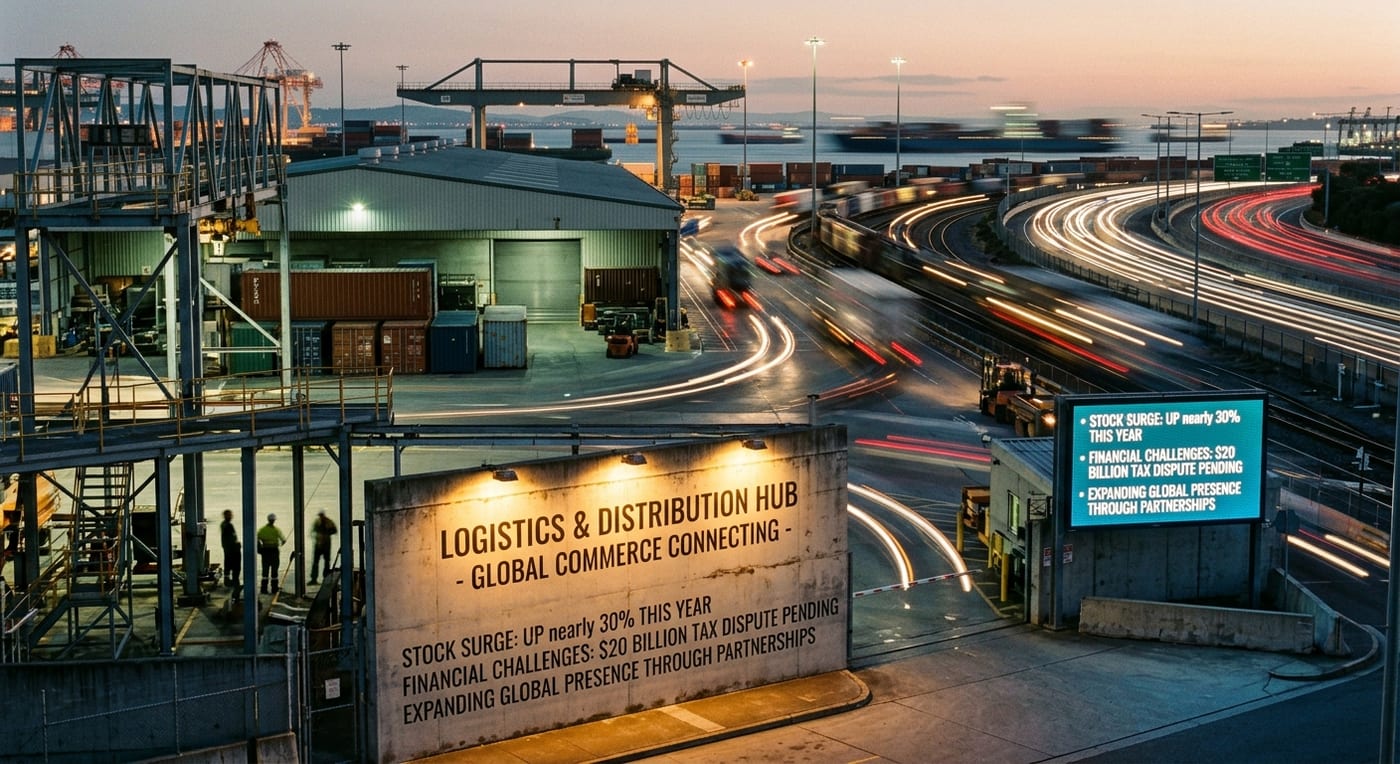
- Coca-Cola's stock has surged nearly 30% this year.
- The company faces a significant $20 billion tax dispute impacting financial strategy.
- Strategic partnerships are enhancing Coca-Cola’s global presence.
The Coca-Cola Company ( KO) remains a titan in the global beverage market, having successfully navigated numerous economic challenges while maintaining a strong growth trajectory. Year-to-date, Coca-Cola's stock has surged nearly 30%, with shares recently reaching an all-time high of approximately $92.70, attracting investor confidence even amid rising inflation and fluctuating interest rates. This remarkable performance is attributed to strategic adaptations, brand loyalty, and an evolving portfolio that caters to changing consumer preferences.
Market Performance Analysis
Coca-Cola's recent financial results reveal a net revenue of $13.4 billion for the last quarter, a 7% increase from the previous year. This robust performance showcases the effectiveness of the company's strategies, enabling it to outperform its biggest rival, PepsiCo, which only achieved a 1.3% growth during the same period. Such differentiation in performance underscores Coca-Cola's ability to resonate with consumers, capitalizing on both brand awareness and product innovation.
In comparison, while Coca-Cola reported a strong organic sales growth of 6% this year, PepsiCo has begun to show improvements, reporting 6% revenue growth in its latest quarter. However, Coca-Cola's competitive edge remains firm due to its array of more than 200 beverage brands and consistent brand loyalty across various demographics. Investors are particularly intrigued by Coca-Cola's historical performance during stock peaks, which indicates a strong likelihood of continued growth after reaching such high points. History suggests that Coca-Cola's stock tends to flourish following all-time highs, with analysts predicting a potential upside based on past trends. Despite the fear of market volatility highlighted in CNN's Fear and Greed Index, Coca-Cola's enduring brand strength seems to buffer it against extraordinary market fluctuations.
Strategic Partnerships and Market Adaptation
Integral to Coca-Cola's growth strategy has been its focus on strategic partnerships, which have broadened its market presence. Collaborations with diverse organizations range from local suppliers to large multinational retailers, enhancing Coca-Cola's distribution network and optimizing supply chains. By aligning itself with partners that share similar values of sustainability and innovation, Coca-Cola has effectively reinforced its market position. These strategic alliances enable Coca-Cola to enhance product offerings, particularly in the health-conscious segment where demand has significantly risen.
This pivot toward healthier product options aligns well with observed consumer trends, where sugar-free and zero-calorie beverages have gained popularity. Maintaining innovative product lines and expanding into emerging markets continues to bolster Coca-Cola's revenue streams. Similarly, these efforts are complemented by their commitment to sustainability, which increasingly resonates with today's environmentally-conscious consumers. Additionally, as Coca-Cola seeks to refine its operational strategies, it continues to navigate challenges arising from macroeconomic pressures, including supply chain issues exacerbated by inflation.
Navigating Regulatory Challenges
Amid its growth, Coca-Cola faces substantial regulatory hurdles, notably a $20 billion tax dispute that could influence the company's financial strategy going forward. The outcome of this matter is crucial as it could have implications not only for Coca-Cola’s immediate financial obligations but also for its long-term operational strategies. This heightened scrutiny emphasizes the necessity for effective management in addressing compliance and regulatory issues, which can impact investor sentiment.
Moreover, Coca-Cola's historical resilience in the face of regulatory challenges further bolsters confidence among shareholders. The company has a reputation for overcoming operational bumps through adaptive strategic management, further demonstrating its ability to weather any financial storm that might arise. Investors will be particularly attentive to how this dispute unfolds, as outcomes will likely affect Coca-Cola’s stock performance and financial metrics in the future.
Competitive Landscape and Future Outlook
Coca-Cola stands as a formidable competitor in the beverage industry, yet it must remain vigilant against PepsiCo, which is increasingly positioned as a threat. Despite Coca-Cola’s superior performance, PepsiCo has initiated effective changes by cutting prices on selected products while incorporating healthier ingredients. This strategy not only revitalizes PepsiCo's product line but also makes it an attractive option for consumers drawn to value-based purchases.
As buyers weigh their options, Coca-Cola's projected revenue growth of 4% for 2026 remains a promising outlook amid reasonable competition. However, the risk remains that these competitive dynamics could limit Coca-Cola’s growth if it does not respond adequately to evolving consumer preferences. In conjunction with maintaining market brand loyalty, Coca-Cola must continue to assess its pricing strategies and product range to ensure it retains its esteemed market share.
Analysts are watching trends closely, noting that Coca-Cola's P/E ratio currently stands at around 25, which, while still lower than its average multiple over the past five years, may lead to scrutiny about future valuations as competition heats up. With dividend yields consistently stable at approximately 2.27%, Coca-Cola remains a compelling investment for income-oriented investors, sustaining its position as a Dividend King with over 60 years of consecutive dividend increases.
In conclusion, The Coca-Cola Company ( KO) continues to impress with its ability to adapt and thrive in a challenging market environment. As it maneuvers through regulatory challenges and competitive pressures, Coca-Cola’s commitment to innovation and strategic partnerships is pivotal in shaping its future success. Investors and analysts will undoubtedly be observing closely as the company advances, not only to see how it tackles these obstacles but also to gauge broader market implications. The same pressure is reflected in recent reporting on the issue, which helps explain why the company's pricing decisions remain under scrutiny.