

Coastal Financial Faces Severe Challenges
ED
Editorial
Cashu Finance·4 min read
TL;DR
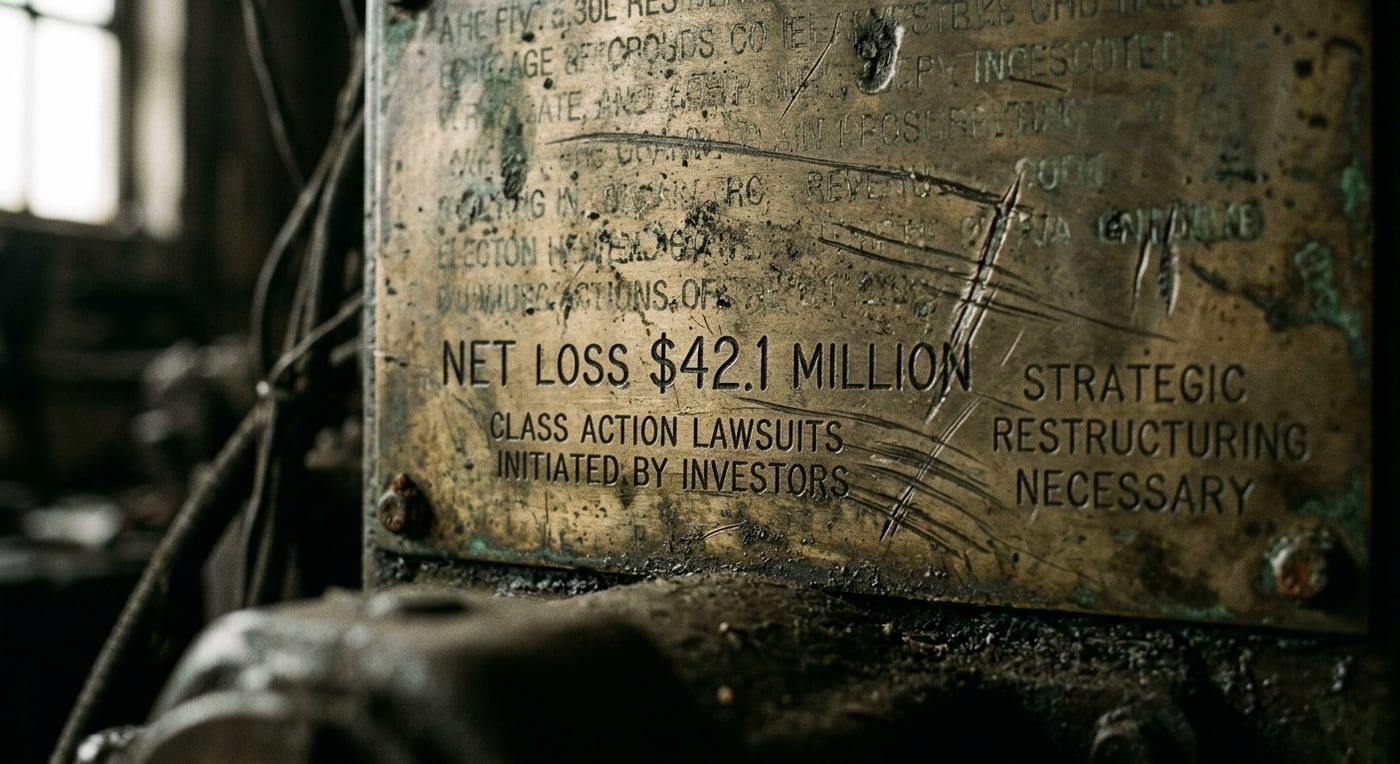
- Coastal Financial reports a net loss of $42.1 million - Numerous class action lawsuits initiated by investors - Strategic restructuring necessary for investor confidence
Coastal Financial Corporation (CCB) has recently found itself at a crossroads that could define its future in the competitive landscape of financial services. After reporting an alarming net loss of $42.1 million for the second quarter of 2026, the company's operational integrity has come under intense scrutiny. This represents a significant decline from the net income of $12 million achieved in the same quarter last year. These recent financial disclosures reveal serious underlying issues, particularly related to its banking-as-a-service (BaaS) segment, CCBX, which has become a focal point of investor concern.
Understanding the Financial Setback
The root cause of Coastal's financial predicament lies within the CCBX business model. For many years, CCBX was viewed as a pivotal element of Coastal's growth strategy, intended to cater to the increasing demand for digital banking solutions among fintech companies. However, a staggering credit expense of $68.8 million has drastically altered this narrative. Analysts indicate that this expense is primarily linked to an underperforming partner loan portfolio within the CCBX segment, highlighting failures in credit quality assessment and risk management practices.
This situation is compounded by ongoing investigations into potential securities fraud, which threaten to impact executive accountability and further undermine investor confidence. The firm faces allegations that it failed to adequately disclose the deteriorating credit quality of a significant portion of its partner portfolio, comprising nearly 23% of total CCBX loans. As described in detailed reports, such oversights can lead to substantial legal ramifications and a potential loss of market trust.
The recent developments surrounding financial losses and investigations echo those articulated in our previous article, Coastal Financial's Financial Crisis Unfolds. In it, we discussed the consequences of mismanaged credit exposures and the stark realities facing CCB in a faltering financial environment.
Immediate Reactions from Investors
Following the announcement of the Q2 2026 loss, Coastal’s stock price suffered a drastic plunge, falling approximately 43.5% in just one trading session to close at $39.91 per share. This loss translated to about $470 million wiped from the company's market capitalization—an alarming indicator of investor sentiment. Many stakeholders are now demanding not only a clearer understanding of how these losses occurred but also concrete actions to remedy the situation.
Investor reactions have been swift, as legal challenges are forming against the company. Various law firms, including Faruqi & Faruqi, have already initiated class action lawsuits against Coastal. They assert that false and misleading statements were made regarding credit risks, especially concerning the partner relationships under CCBX. This collective legal scrutiny serves not only to seek compensation but also reflects the broader anxiety regarding Coastal's operational transparency and risk management adequacy.
As delineated in another related article, ROSEN, LEADING TRIAL ATTORNEYS, Encourages Coastal Financial Corporation Investors to Secure Counsel, investors are actively mobilizing to ensure their rights are protected in light of these financial troubles. This emphasizes a growing trend where stakeholders are becoming increasingly vigilant regarding their investments, particularly when faced with significant financial volatility.
The Path Ahead for Coastal Financial
Faced with these extensive challenges, Coastal Financial must prioritize restoring investor confidence while managing its operational pitfalls. Compounding issues with CCBX's financial health necessitate a thorough evaluation of its credit risk frameworks and partner assessments. Transparency in public reporting moving forward is paramount; stakeholders expect the company to clearly articulate the steps it will take to not only limit future losses but also recover from this downturn.
The possibility of strategic restructuring cannot be overlooked. Coastal may need to reassess its partnerships and the foundational elements of its BaaS offerings, as continuing to operate under current conditions may exacerbate existing issues and lead to further financial losses. The necessity for executive accountability and clear communication with potential investors is undisputed at this juncture. The effective management of investor relations can play a crucial role in the recovery trajectory of the firm.
Conclusion: Looking to the Future
In summary, Coastal Financial Corporation is in a precarious state as it grapples with substantial losses and impending legal challenges. With prudent strategies and a focus on addressing the underlying operational inefficiencies, there's still room for the company to navigate through these turbulent waters.
In forming a pathway to recovery, Coastal must ensure that its leadership is equipped to address both the financial and reputational damage sustained. Moving forward, the emphasis on solidifying the trust of investors and stakeholders will be the linchpin in any efforts toward revitalization and stability within the competitive financial sector. The same pressure is reflected in recent reporting on the issue, which helps explain why the company's pricing decisions remain under scrutiny.