

Cheniere Energy's Strategic Expansion and Market Position
Cashu Finance·5 min read
TL;DR
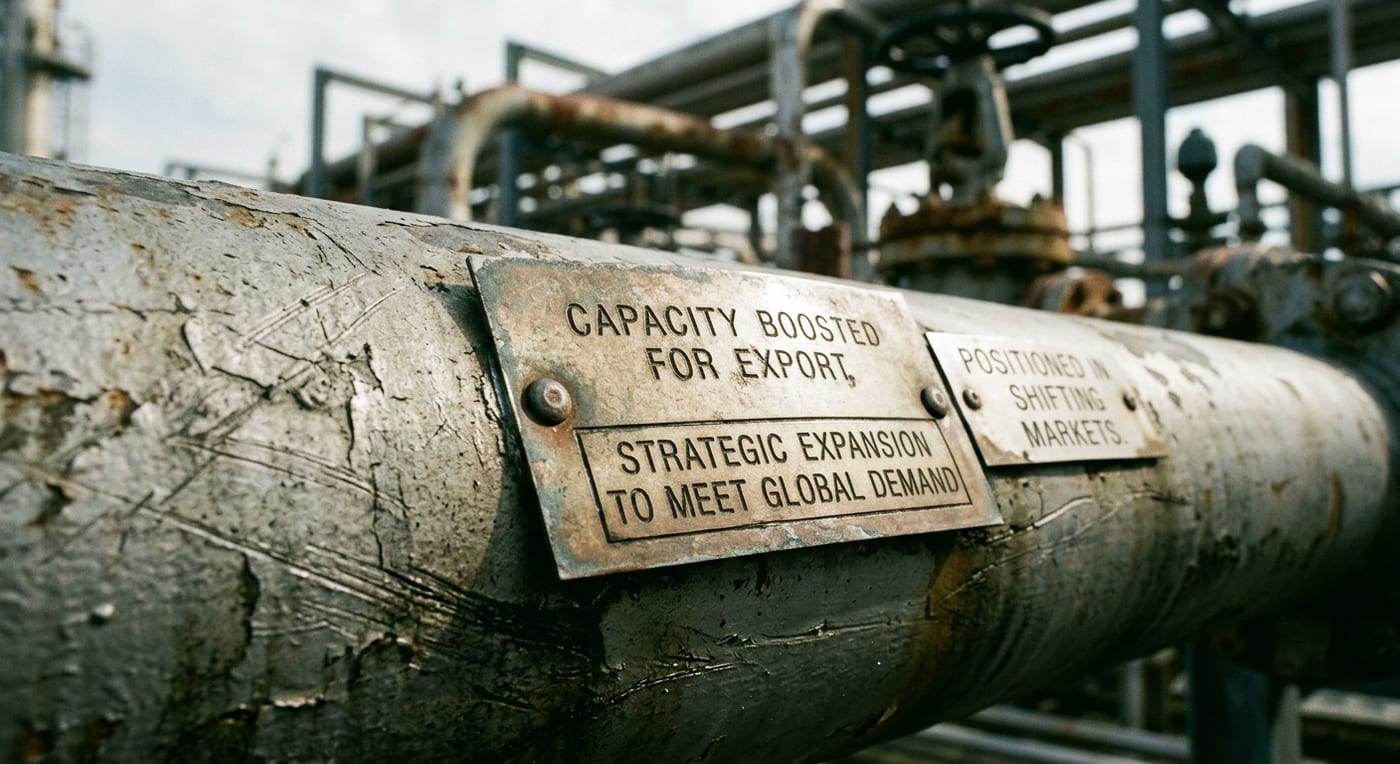
- Cheniere Energy boosts LNG export capacity significantly.
- Strategic expansions align with rising global LNG demand.
- Navigating geopolitical tensions enhances market positioning.
Cheniere Energy, Inc. (LNG) continues to bolster its position as a leading player in the liquefied natural gas (LNG) sector through strategic expansions and an adept response to evolving global energy demands. The company has recently completed key infrastructure developments that not only increase its capacity but also enhance its market competitiveness in a landscape shaped by geopolitical tensions and recovering global supply chains.
Recent Expansions and Capacity Boosts
The completion of Train 6 at the Corpus Christi Liquefaction Project is a noteworthy achievement for Cheniere Energy, significantly enhancing its LNG export capacity to a total of 55 million tonnes annually. This development signifies the company’s commitment to meeting the increasing global demand for LNG, reinforced by long-term contracts that secure its market position. The proactive strategy to expand capacity comes amid a backdrop where other international suppliers are grappling with supply uncertainties.
In addition to the expansion at Corpus Christi, Cheniere has also secured a $4.69 billion contract to expand the Sabine Pass LNG facility. This project forms part of a broader initiative to increase LNG export capabilities in line with rising international demands and mitigate potential supply interruptions. This strategic move aligns with Cheniere's objective of fortifying its competitive stance in a volatile energy market, potentially improving its margins by capitalizing on increased demand for U.S. LNG.
The company’s approach underscores a commitment to enhancing the link between U.S. natural gas resources and international markets. With major expansions underway, Cheniere stands to benefit from its ability to provide secure energy supplies to countries facing disruptions in other regions.