

Boston Scientific Invests $1.5 Billion in MiRus for TAVR Market Expansion and Innovation
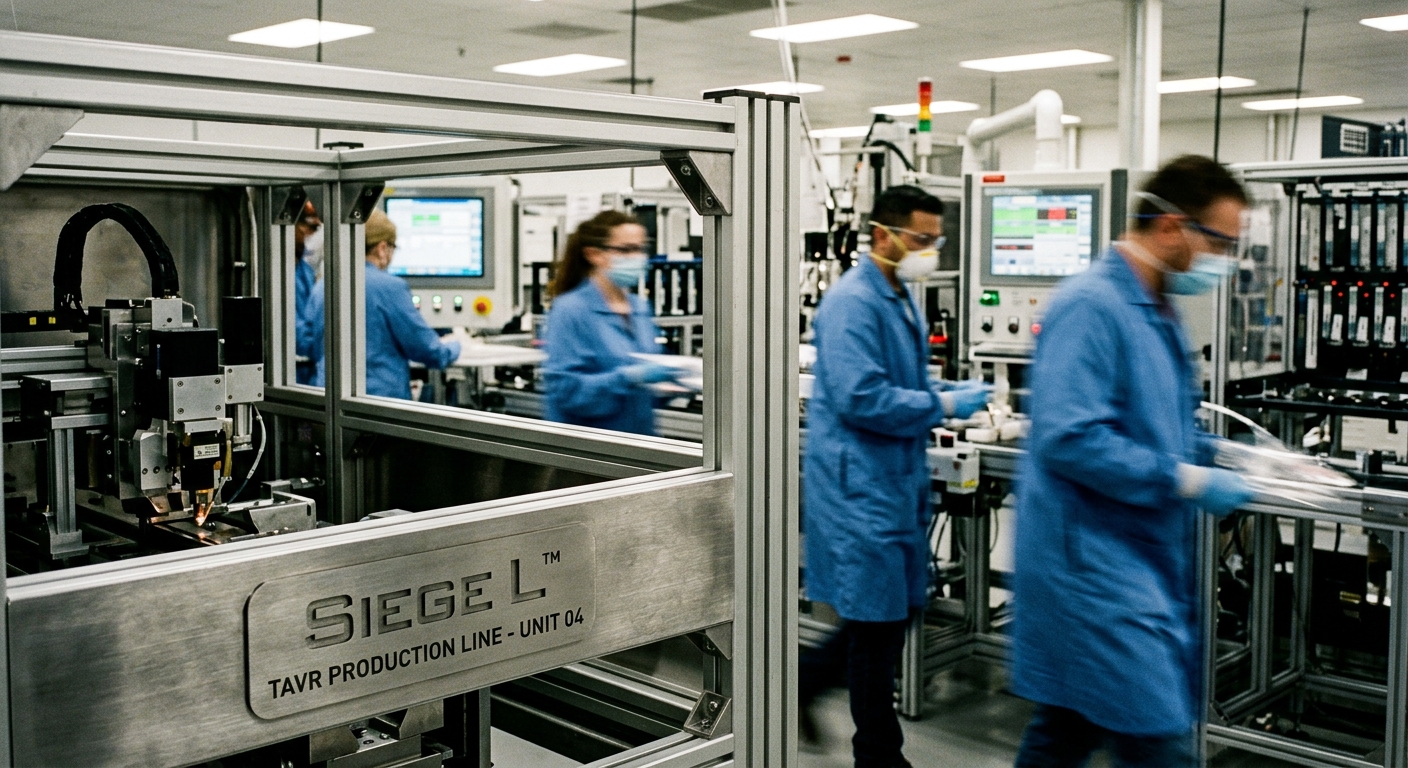
- Boston Scientific invests $1.5 billion in MiRus, acquiring a 34% equity stake to expand its TAVR market presence.
- The SIEGEL™ TAVR system aims to improve blood flow for severe aortic stenosis patients with innovative biomaterials.
- Boston Scientific plans to potentially acquire MiRus' TAVR business for $3 billion, contingent on meeting clinical and regulatory milestones.
Boston Scientific Corporation has made a significant strategic investment of $1.5 billion in MiRus LLC, aimed at expanding its footprint in the transcatheter aortic valve replacement (TAVR) market. This acquisition allows Boston Scientific to secure a 34% equity stake in the privately-held company known for its innovative biomaterials and procedural solutions for cardiovascular diseases. The investment is chiefly focused on the SIEGEL™ Balloon Expandable TAVR system, designed to enhance blood flow in patients with severe aortic stenosis through a unique rhenium alloy composition. The implications of this investment bolster Boston Scientific's commitment to improving patient outcomes and advancing its TAVR portfolio to cater to the growing demands in the cardiovascular device sector.
Boston Scientific Expands Its TAVR Offerings
The company, through its Executive Vice President Lance Bates, articulates that the strategic alignment with MiRus is pivotal for Boston Scientific in enhancing its offerings to patients with aortic valve issues. The SIEGEL TAVR valve not only promises improved clinical outcomes but also adds to the company's innovative edge with its nickel-free formulation and efficient design. Currently, MiRus is conducting the STAR pivotal trial to evaluate the valve’s safety and effectiveness among a diverse patient population presenting with symptomatic aortic stenosis. Early feedback from physicians indicates that the delivery and placement of the SIEGEL valve are less invasive compared to traditional methods, positing the device as a potential game-changer in the TAVR market.
Strategic Path Forward
Boston Scientific's exclusive option to fully acquire MiRus' TAVR business for an additional $3 billion contingent upon achieving clinical and regulatory milestones further underscores its ambition to lead in the cardiovascular device landscape. This proactive approach reflects the company’s strategic vision aimed at not only enhancing product portfolios but also responding to the competitive landscape of cardiac interventions. Additionally, the potential for future payments tied to net sales of the SIEGEL valve indicates a financially beneficial trajectory should the device surpass performance expectations. With advancements such as this, Boston Scientific demonstrates its commitment to innovation in cardiovascular treatments, setting a course for enhanced healthcare solutions in a rapidly evolving medical technology field.
Related Cashu News

Merit Medical Systems Launches Employee Stock Ownership Plan to Boost Engagement and Stability
Merit Medical Systems (Ticker: MMSI) recently takes a significant step in enhancing its employee engagement and ownership structure with the launch of a new Employee Stock Ownership Plan (ESOP). The c…

Brookdale Senior Living launches second season of educational podcast "The Grey Take.
Brookdale Senior Living (Ticker: BKD) launches the second season of its popular podcast, "The Grey Take," which serves as a valuable resource for families exploring senior living options. The podcast…

Molina Healthcare Gains Momentum with Increased Risk Adjustment Payments and Positive Revenue Outlook
Molina Healthcare (Ticker: MOH) is making significant strides in its revenue outlook due to recently released risk adjustment figures from the Centers for Medicare & Medicaid Services (CMS). These upd…

Align Technology Faces Antitrust Investigation by European Commission Over Competitive Practices
Align Technology Inc. (Ticker: ALGN) faces a formal antitrust investigation from the European Commission, marking a significant development in the medical devices sector. This inquiry arises from a co…