

Boeing's Path to Recovery and Innovation
Cashu Finance·4 min read
TL;DR
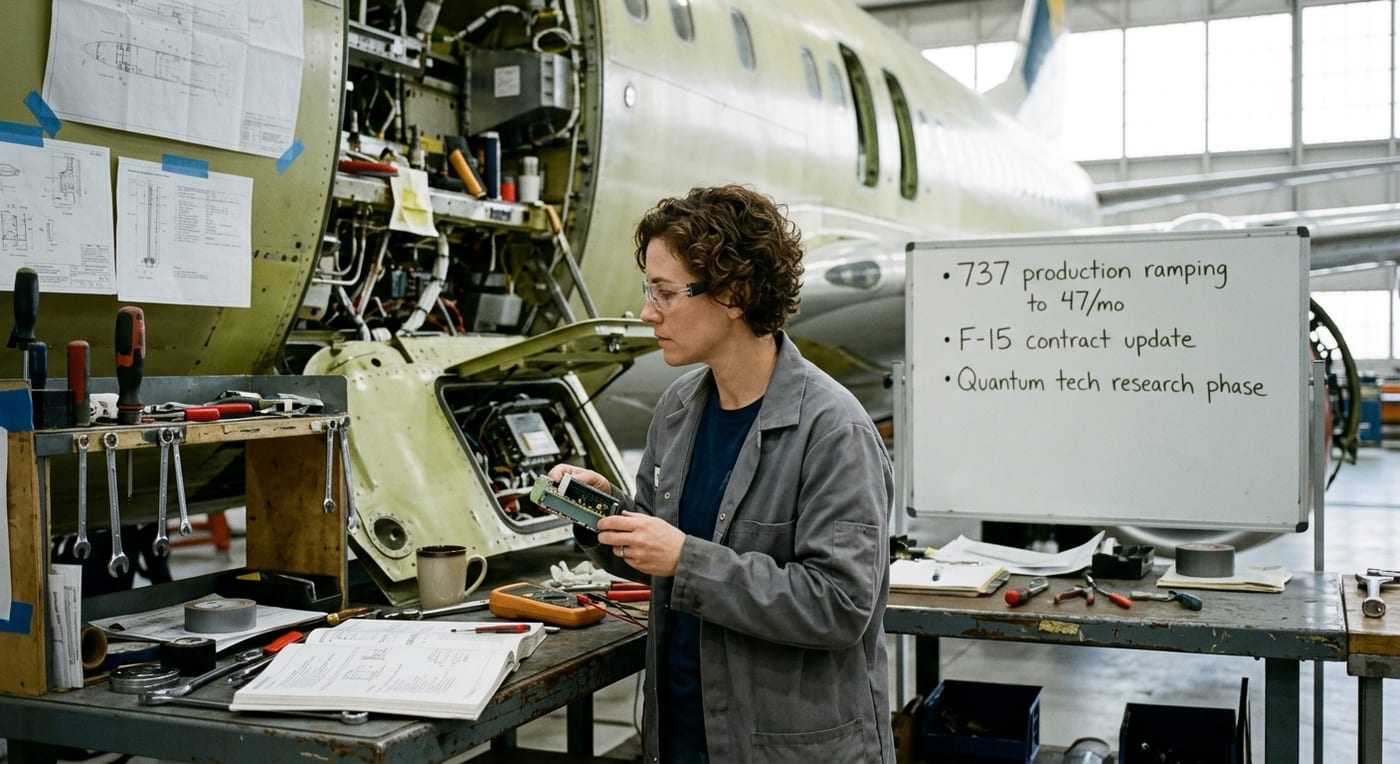
- Boeing is ramping up 737 production to 47 aircraft per month.
- Recent F-15 contracts provide significant revenue opportunities.
- Advancements in quantum technology signal strategic innovation.
The Boeing Company (BA) is once again positioning itself as a formidable player in the aerospace sector after enduring significant challenges over the past few years. With a recent surge in defense contracts, gradual recovery of production capabilities, and exploratory advancements in quantum technologies, Boeing is navigating a transformative phase that could shape its future growth and investor sentiment.
Recovering Production Lines
Boeing's recent performance in ramping up its production lines is a significant point of interest, particularly in its 737 aircraft model. In early 2024, production rates were limited to 38 planes per month due to regulatory restrictions. However, the company has now increased this rate to 47 per month, marking the fastest manufacturing pace seen in years. This production ramp has come alongside a record order backlog amounting to $715 billion, including over 6,200 commercial aircraft orders, indicating robust demand for Boeing's products.
Yet, this ambitious goal faces hurdles. On August 21, Boeing's engineers and technical workers, represented by the Society of Professional Engineering Employees in Aerospace (SPEEA), overwhelmingly rejected the company's contract offers and authorized a strike pending negotiations by the contract expiration date of October 6. Though a strike would not directly shut down assembly lines, it would severely impact the engineering and certification processes essential for maintaining production efficiency. With the importance of certifying models like the 737-10 looming, any disruption could jeopardize the current recovery trajectory.
Boeing is implementing contingency plans, reallocating funds initially meant for workforce investments, as it seeks a resolution that keeps its production lines moving smoothly. The current bargaining dynamics could be pivotal in maintaining investor confidence and ensuring the company's recovery isn't stalled by labor disputes.