

Boeing's Ongoing Production Challenges
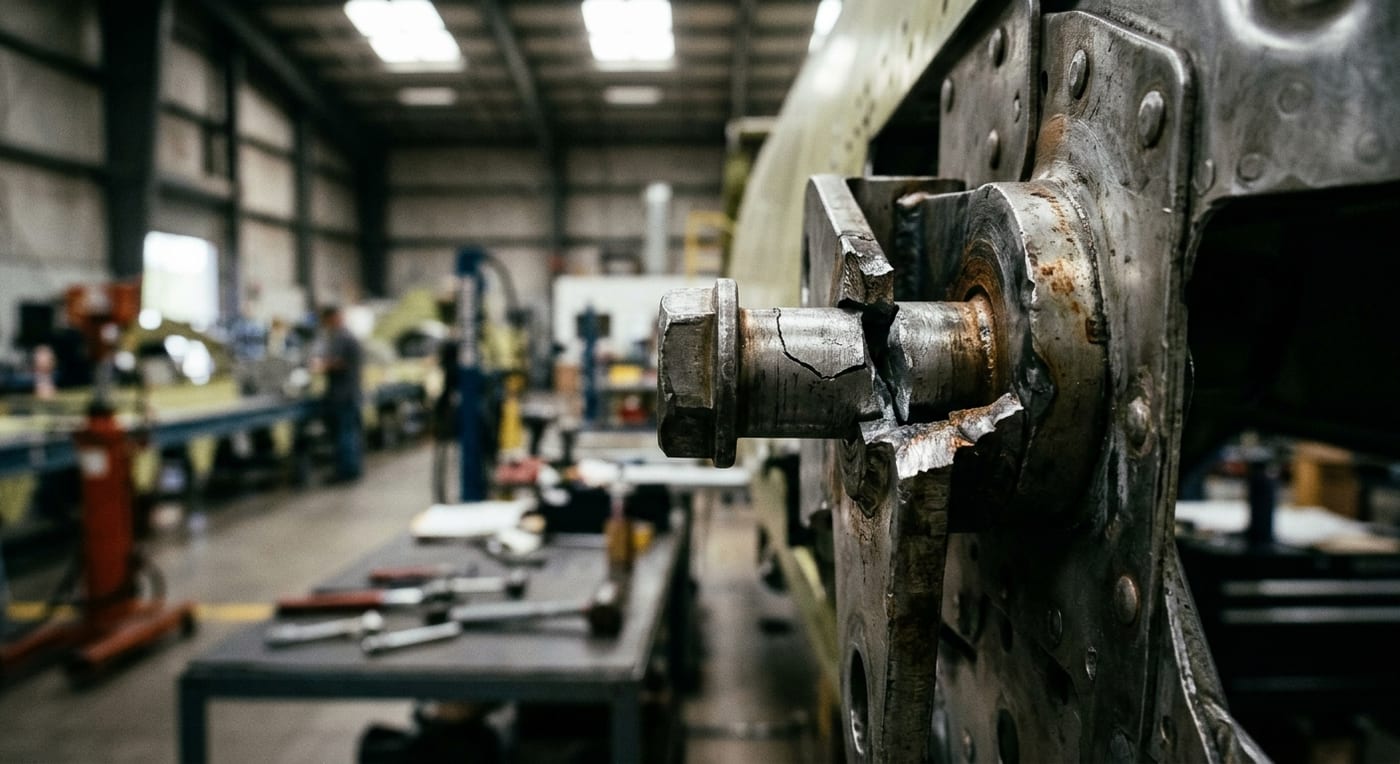
- Boeing faces significant production delays affecting 737 MAX output.
- The company plans to cut 5% of its workforce to address overstaffing issues.
- Financial projections are being revised in light of production challenges.
The Boeing Company (BA) is currently navigating a complex landscape characterized by significant production delays and workforce adjustments. As one of the most iconic names in aerospace, Boeing's journey through these challenges not only impacts its business operations but also resonates deeply with investor sentiment and industry dynamics.
Production Delays and Their Consequences
Boeing has struggled to ramp up production of its flagship 737 MAX aircraft as planned. The company initially aimed to increase production from 42 aircraft per month to 47 by mid-2027, later revising this target due to ongoing operational hurdles, especially in wing fabrication processes. Recent communication from Boeing’s leadership indicates that production increases will likely lag, pushing back their timelines significantly. As CEO Kelly Ortberg mentioned, these delays have provoked a concern for shareholders, who are keenly aware of Boeing’s historical setbacks in production. The fallout from these delays is visible in the company’s stock performance, which recently experienced a significant decline, dropping more than 10% following announcements surrounding production challenges.
Workforce Reductions Amid Slow Production
In response to the production slowdowns, Boeing announced plans to reduce its commercial airplane workforce by approximately 5%, amounting to about 2,500 employees. This difficult decision stems from the company's recognition of being overstaffed against its current production capabilities. In an internal memo, Stephanie Pope, the division's CEO, emphasized the necessity of aligning staffing levels with the revised production plans. This is indicative of Boeing's broader strategy to navigate through these turbulent times while maintaining its commitment to safety and quality. The ability to stabilize operations while shrinking operational costs may ultimately prove crucial as the company works to regain investor confidence.