

Berkshire Hathaway's New Era Under Abel
Cashu Finance·5 min read
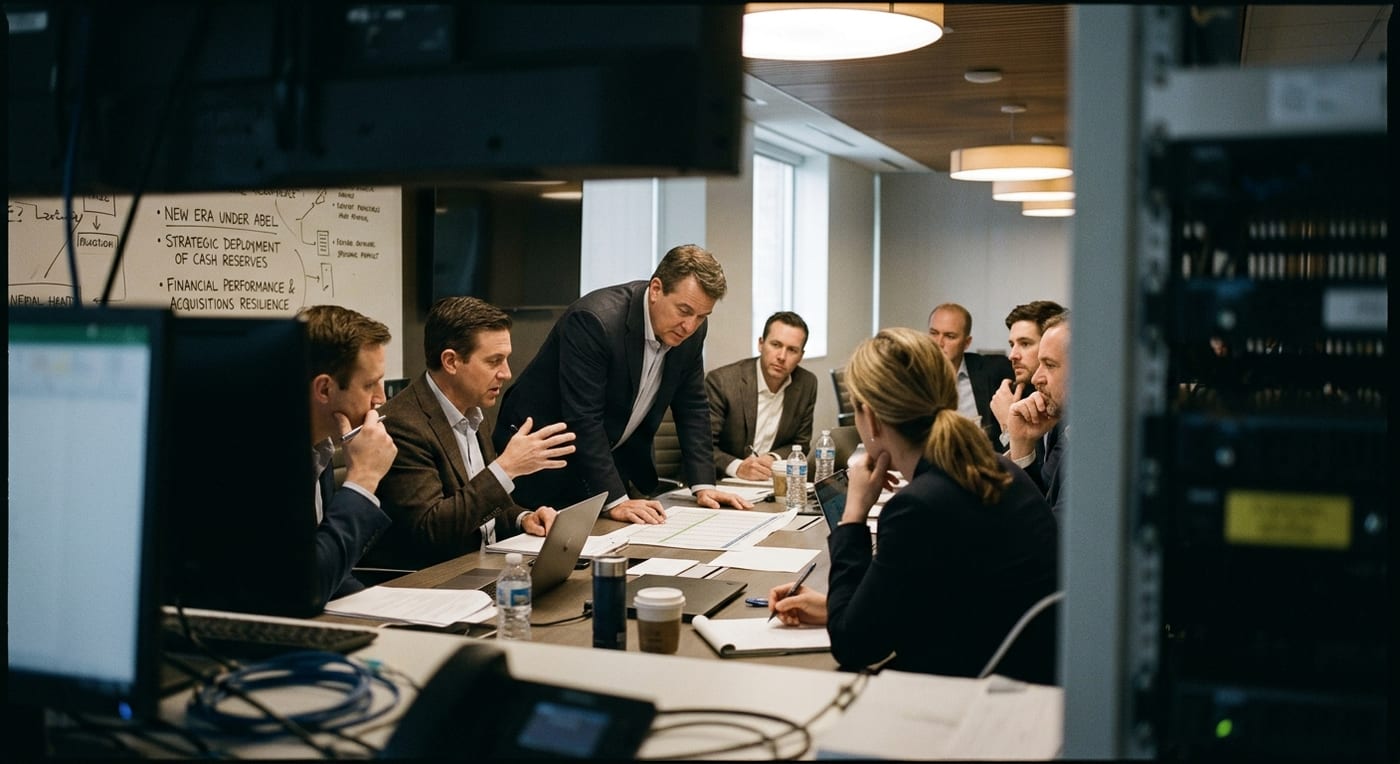
TL;DR
- Berkshire Hathaway embarks on a new chapter under Greg Abel.
- The company is strategically deploying its massive cash reserves.
- Financial performance and acquisitions show strong resilience in multiple sectors.
Berkshire Hathaway Inc. ( BRK-A) is embarking on a transformative journey under the leadership of CEO Greg Abel, marking a significant shift in the company’s strategies and investment portfolio. Transitioning from the legendary Warren Buffett, known as the 'Oracle of Omaha,' Abel’s actions signal a new chapter that prioritizes prudent investments and enhancing shareholder value.
Transitioning Leadership
With Warren Buffett's retirement transitioning underway, Greg Abel’s leadership represents a crucial turning point for Berkshire Hathaway. Having served as vice-chairman of the company for several years, Abel steps into a role that requires him to uphold and evolve Buffett’s legacy of wise investment and corporate stewardship. As Buffett seeks to donate his substantial shares—valued at roughly $140 billion by 2034—to philanthropic endeavors, the company finds itself in a pivotal setup for growth and strategic alignment. Abel is expected to implement a slightly more aggressive approach by leveraging Berkshire’s substantial cash reserves, which have historically been a source of strength for the conglomerate.
Financial Performance and Strategic Acquisitions
Berkshire Hathaway's latest earnings reveal its financial resilience amidst market fluctuations. In the second quarter of 2026, the company reported a notable rise in net incomes, climbing to $25.6 billion—more than double that of the previous year. The financial performance was bolstered by a variety of sectors within the conglomerate, particularly in energy, railroads, and manufacturing. Of note, manufacturing, service, and retailing sectors recorded impressive growth, enhancing the overall strength of Berkshire’s operational framework.
A clear strategy has emerged under Abel’s leadership: returning capital to shareholders through repurchase of stock while seeking new opportunities for investment. The decision to repurchase approximately $4.5 billion in shares during the second quarter and become a net buyer of equities for the first time in over three years, highlights a strategic pivot that seeks to engage more with the market after a period of selective investment. This pattern of buying back shares rather than selling them underscores a renewed ethos under Abel, embracing a more dynamic approach to capital management.