

Baidu's Autonomous Driving Ambitions Unfold
ED
Editorial
Cashu Finance·5 min read
TL;DR
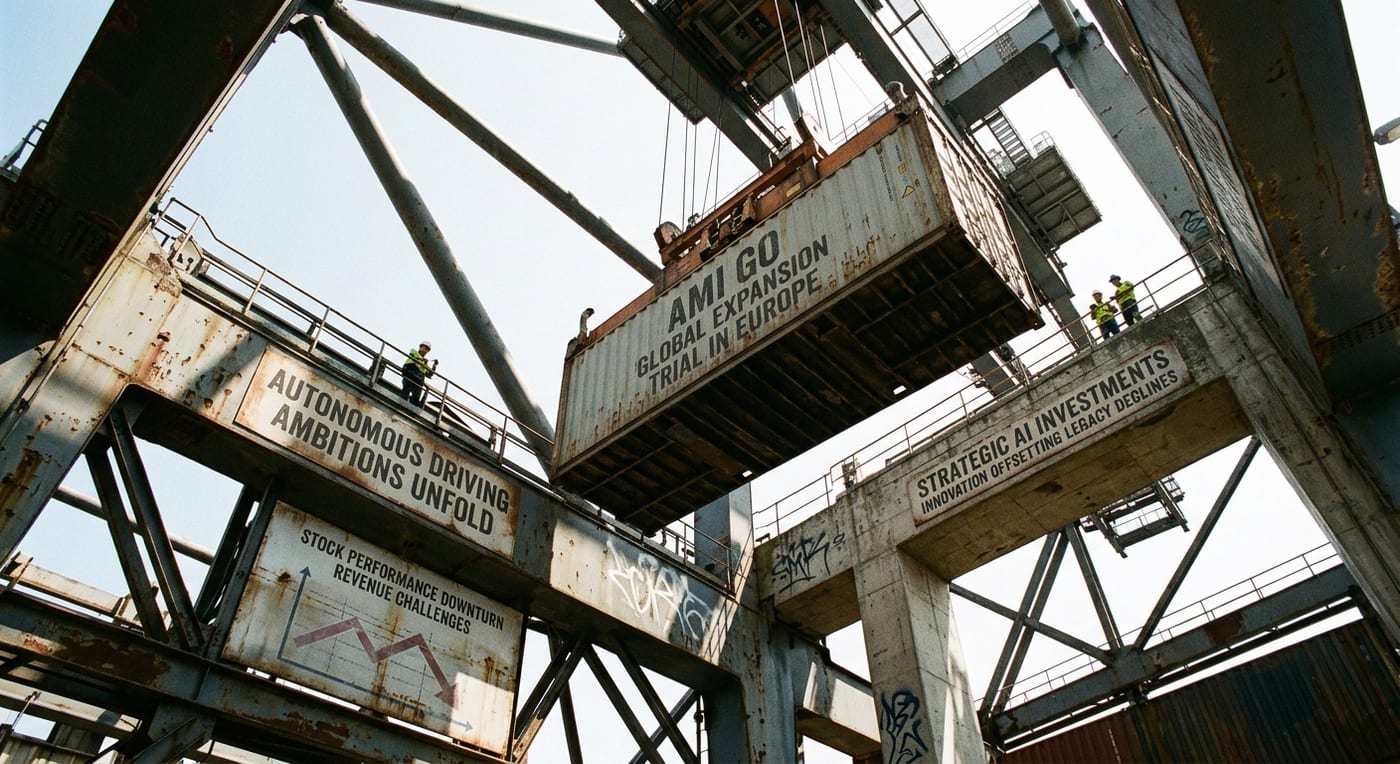
- Baidu's AmiGo trial marks entry into European autonomous market.
- Stock performance faces significant downturn amid revenue challenges.
- Strategic investments in AI innovations to counteract legacy business declines.
Baidu, Inc. (BIDU) is igniting significant conversation within the technology landscape as it advances its autonomous driving initiatives, while concurrently navigating substantial market headwinds. This intricate balancing act is central to Baidu's overall strategy as the company forges a pathway through its expanding portfolio of innovative technologies amidst macroeconomic pressures and investor scrutiny.
Expanding Horizons in Autonomous Mobility
Baidu’s entry into the European market with its autonomous driving service, the AmiGo, represents a pivotal moment for the company. Following the approval of Level 4 autonomous trials in Switzerland, which allows for self-driving cars to operate in specific conditions without human intervention, Baidu is not just participating but leading the charge in the burgeoning field of autonomous transportation. The Swiss Federal Roads Office (FEDRO) has granted this technology validation, highlighting Baidu’s commitment to establishing a foothold in markets that have historically been slow to embrace such innovations.
This launch coincides with a broader trend toward acceptance of autonomous mobility solutions. Ongoing partnerships, particularly with Swiss Post, are key to enhancing visibility and compliance in a careful regulatory landscape. The trial aims to demonstrate the practicality of Baidu’s technology over an approximately 80 km area, adding valuable real-world data to its operational capabilities. The success of the AmiGo project may set the stage for similar deployments across Europe and advance Baidu’s strategy of becoming a global leader in AI-driven transportation solutions.
As reported in an earlier article, Baidu's move to bolster its presence in autonomous driving is particularly vital at a time when stock performance has been less than stellar, facing a decline of around 23% recently amidst concerns over growth sustainability. Investment in innovative projects like AmiGo shows Baidu's intent to leverage technological superiority to counteract stock volatility and investor apprehension.
Navigating Market Headwinds
Despite promising advancements in its autonomous driving programs, Baidu has faced significant challenges that have put pressure on its stock and reputation. The company’s second quarter financial results from August exhibited alarming declines in key revenue segments, with total revenues down nearly 19%. The impact of these figures was immediate, as Baidu's American Depositary Shares (ADS) plummeted 12.73% in a single day, reflecting investor skepticism about its growth engines.
The declines were primarily attributed to a downturn in its legacy online marketing business, which plunged by 23% year-over-year. Critics argue that Baidu's optimistic projections and messaging regarding the AI sector were overly ambitious, and many analysts are now calling for strategic recalibrations. In light of this, Baidu’s efforts in autonomous driving may serve as a cornerstone for recovery, aiming to provide a robust and forward-thinking avenue for revenue generation.
Baidu's setbacks are compounded by external macroeconomic factors including heightened regulatory scrutiny and geopolitical tensions that affect investor confidence. The Pentagon’s designation of Baidu as part of the Chinese Military Companies list has further complicated its international standing, even though no immediate sanctions were applied to its operations. Still, the mere label creates an impression of uncertainty that could deter prospective investors. However, Baidu remains focused on showcasing its technological innovations and distancing itself from military affiliations, emphasizing its core mission centered around AI and internet services.
Strategic Investments and Future Prospects
Looking ahead, Baidu’s strategic investments in autonomous driving and AI technologies are anticipated to yield longer-term growth opportunities. The ongoing development of autonomous systems not only represents innovation within transport but also aligns with global trends toward sustainability and efficiency. As other companies in the sector ramp up similar projects, Baidu's early entry may afford it a competitive edge, particularly in regions where regulations begin to favor autonomous solutions.
Moreover, the addition of advanced AI applications positions Baidu well to capitalize on markets that demand cutting-edge technology for improved user experiences. The integration of AI across its platforms is designed to augment operational efficiency and harness consumer data for personalized services, thereby directly addressing challenges faced in its legacy operations.
Analysts suggest that Baidu must ensure they communicate transparently about their challenges while demonstrating robust plans to overcome them, particularly with regard to pacing the growth of its AI sectors. As detailed previously, the legal landscape surrounding Baidu, including the impending securities class action lawsuit deadlines, adds another layer of complexity to the company’s narrative as investors await clarity on its future path and potential liabilities.
Conclusion: A Fork in the Road
Ultimately, Baidu, Inc. stands at a crucial intersection where decisions taken today will shape its trajectory for years to come. With a focus on developing autonomous solutions and navigating complex market reactions, Baidu remains committed to its vision of becoming a leader in AI and autonomous technology. The stakes are high as tests unfold in Switzerland and expansions into other markets are considered, offering both risk and substantial reward.
The potential for realizing its ambitious goals lies in whether Baidu can effectively unify its strategic initiatives while addressing operational pressures that threaten to undermine its innovative aspirations. The same pressure is reflected in recent reporting on the issue, which helps explain why the company's pricing decisions remain under scrutiny.